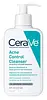
This salicylic acid gel cleanser is formulated around Salicylic Acid to clear breakouts and unclog pores.
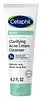
This cream cleanser uses mild cleansing ingredients, but contains alcohol that may feel drying for some.

What's inside
What's inside
 Key Ingredients
Benefits
Concerns
Ingredients Side-by-side
Salicylic Acid 2%
Masking










Water
Skin ConditioningSodium Lauroyl Sarcosinate
CleansingCocamidopropyl Hydroxysultaine
Cleansing
Glycerin
Humectant


Niacinamide
Smoothing




Gluconolactone
Chelating
Sodium Methyl Cocoyl Taurate
Cleansing
PEG-150 Pentaerythrityl Tetrastearate
Emulsifying
Ceramide NP
Skin Conditioning
Ceramide AP
Skin Conditioning
Ceramide EOP
Skin Conditioning
Carbomer
Emulsion StabilisingCalcium Gluconate
HumectantTriethyl Citrate
Masking

Sodium Benzoate
Masking
Sodium Hydroxide
BufferingSodium Lauroyl Lactylate
EmulsifyingCholesterol
Emollient
Tetrasodium EDTA
ChelatingCaprylyl Glycol
Emollient
Hydrolyzed Hyaluronic Acid
Humectant
Trisodium Ethylenediamine Disuccinate
ChelatingXanthan Gum
EmulsifyingHectorite
AbsorbentPhytosphingosine
Skin Conditioning
Benzoic Acid
Masking
Salicylic Acid 2%, Water, Sodium Lauroyl Sarcosinate, Cocamidopropyl Hydroxysultaine, Glycerin, Niacinamide, Gluconolactone, Sodium Methyl Cocoyl Taurate, PEG-150 Pentaerythrityl Tetrastearate, Ceramide NP, Ceramide AP, Ceramide EOP, Carbomer, Calcium Gluconate, Triethyl Citrate, Sodium Benzoate, Sodium Hydroxide, Sodium Lauroyl Lactylate, Cholesterol, Tetrasodium EDTA, Caprylyl Glycol, Hydrolyzed Hyaluronic Acid, Trisodium Ethylenediamine Disuccinate, Xanthan Gum, Hectorite, Phytosphingosine, Benzoic Acid
Water
Skin ConditioningCocamidopropyl Betaine
Cleansing
Distearyl Phthalic Acid Amide
EmollientSodium Methyl Cocoyl Taurate
Cleansing
Sodium Chloride
MaskingCetyl Alcohol
Emollient
Stearyl Alcohol
Emollient
PEG-120 Methyl Glucose Dioleate
Emulsifying
Phenoxyethanol
Preservative
Sodium Hydroxide
BufferingCaprylyl Glycol
Emollient
Ethylhexylglycerin
Skin ConditioningHexylene Glycol
EmulsifyingDisodium EDTA
ChelatingIsopropyl Alcohol
Solvent
Aloe Barbadensis Leaf Juice
Skin Conditioning
Butylene Glycol
Humectant
Camellia Sinensis Leaf Extract
Antimicrobial
Water, Cocamidopropyl Betaine, Distearyl Phthalic Acid Amide, Sodium Methyl Cocoyl Taurate, Sodium Chloride, Cetyl Alcohol, Stearyl Alcohol, PEG-120 Methyl Glucose Dioleate, Phenoxyethanol, Sodium Hydroxide, Caprylyl Glycol, Ethylhexylglycerin, Hexylene Glycol, Disodium EDTA, Isopropyl Alcohol, Aloe Barbadensis Leaf Juice, Butylene Glycol, Camellia Sinensis Leaf Extract
Reviews
Ingredients Explained
These ingredients are found in both products.
Ingredients higher up in an ingredient list are typically present in a larger amount.
Caprylyl Glycol is a humectant, skin conditioner, emollient, and preservative booster derived from either caprylic acid or synthetically created.
Typical use levels vary from 0.3-1% as a preservative booster and go up to 2% to condition skin.
Because it is not a free-fatty acid, this ingredient is fungal acne safe (there's nothing for Malassezia to feed on).
Learn more about Caprylyl GlycolSodium Hydroxide is also known as lye or caustic soda. It is used to adjust the pH of products; many ingredients require a specific pH to be effective.
In small amounts, sodium hydroxide is considered safe to use. However, large amounts may cause chemical burns due to its high alkaline.
Your skin has a natural pH and acid mantle. This acid mantle helps prevent harmful bacteria from breaking through. The acid mantle also helps keep your skin hydrated.
"Alkaline" refers to a high pH level. A low pH level would be considered acidic.
Learn more about Sodium HydroxideSodium Methyl Cocoyl Taurate is a gentle, coconut-derived cleansing surfactant. It's most commonly found in "sulfate-free" cleansers.
As a taurate, it belongs to a class of anionic surfactants prized for being efficient at cleansing without harshness, good performance in hard water, stability across a wide pH range, and easily biodegradable.
It is able to lift away oil and grime and make a nice lather without stripping your skin, so it's a good pick for sensitive skin.
Safety-wise, it has a good record. The CIR Expert Panel has concluded this ingredient to be safe in cosmetics and concentrations go up to 11% in leave-on products or 13% in rinse-off products.
Despite being derived from coconut oil, this ingredient is fungal acne safe. It's a water-soluble surfactant with no fatty oils or esters left intact on skin for the Malassezia yeast to feed.
Learn more about Sodium Methyl Cocoyl TaurateWater. It's the most common cosmetic ingredient of all. You'll usually see it at the top of ingredient lists, meaning that it makes up the largest part of the product.
So why is it so popular? Water most often acts as a solvent - this means that it helps dissolve other ingredients into the formulation.
You'll also recognize water as that liquid we all need to stay alive. If you see this, drink a glass of water. Remember to stay hydrated!
Learn more about Water

