
What's inside
What's inside
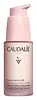 Key Ingredients
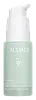
Benefits
Concerns
Ingredients Side-by-side
Water
Skin ConditioningButylene Glycol
Humectant

Glycerin
Humectant
Hexyldecanol
Emollient
Hexyldecyl Laurate
EmollientSqualane
Emollient
Tocopheryl Acetate
Antioxidant


C20-22 Alkyl Phosphate
EmulsifyingPalmitoyl Grapevine Shoot Extract
Antioxidant
C20-22 Alcohols
Emulsion Stabilising
Potassium Cetyl Phosphate
EmulsifyingPolyacrylate Crosspolymer-6
Emulsion StabilisingHelianthus Annuus Seed Oil
Emollient

Caprylyl Glycol
Emollient
Parfum
Masking



Hydrolyzed Hyaluronic Acid
Humectant
Sodium Dehydroacetate
Preservative
Hyaluronic Acid
Humectant
Adenosine
Skin Conditioning
Sodium Hydroxide
BufferingAcetyl Dipeptide-1 Cetyl Ester
Skin Conditioning

Pentylene Glycol
Skin Conditioning
Sodium Phytate
Khaya Senegalensis Bark Extract
Skin ProtectingMaltodextrin
Absorbent
Linalool
Perfuming

Limonene
Perfuming
Paeonia Lactiflora Root Extract
Skin ConditioningCoumarin
Perfuming
Nicotiana Benthamiana Hexapeptide-40 Sh-Polypeptide-47
Skin Conditioning
Water, Butylene Glycol, Glycerin, Hexyldecanol, Hexyldecyl Laurate, Squalane, Tocopheryl Acetate, C20-22 Alkyl Phosphate, Palmitoyl Grapevine Shoot Extract, C20-22 Alcohols, Potassium Cetyl Phosphate, Polyacrylate Crosspolymer-6, Helianthus Annuus Seed Oil, Caprylyl Glycol, Parfum, Hydrolyzed Hyaluronic Acid, Sodium Dehydroacetate, Hyaluronic Acid, Adenosine, Sodium Hydroxide, Acetyl Dipeptide-1 Cetyl Ester, Pentylene Glycol, Sodium Phytate, Khaya Senegalensis Bark Extract, Maltodextrin, Linalool, Limonene, Paeonia Lactiflora Root Extract, Coumarin, Nicotiana Benthamiana Hexapeptide-40 Sh-Polypeptide-47
Water
Skin ConditioningRosa Damascena Flower Water
Masking
Alcohol
Antimicrobial

Niacinamide
Smoothing




Butylene Glycol
Humectant
Palmitoyl Grape Seed Extract
Skin ConditioningXanthan Gum
EmulsifyingSalicylic Acid
Masking
Sodium Hyaluronate
Humectant
Tocopherol
Antioxidant
Pelargonium Graveolens Flower Oil
Masking
Sodium Hydroxide
BufferingMentha Piperita Oil
Masking
Citral
Perfuming
Cymbopogon Citratus Leaf Oil
Masking
Rosmarinus Officinalis Leaf Oil
Masking
Citronellol
Perfuming
Geraniol
Perfuming
Sodium Phytate
Linalool
Perfuming
Lavandula Hybrida Oil
Emollient
Melissa Officinalis Leaf Oil
Masking
Limonene
Perfuming
Water, Rosa Damascena Flower Water, Alcohol, Niacinamide, Butylene Glycol, Palmitoyl Grape Seed Extract, Xanthan Gum, Salicylic Acid, Sodium Hyaluronate, Tocopherol, Pelargonium Graveolens Flower Oil, Sodium Hydroxide, Mentha Piperita Oil, Citral, Cymbopogon Citratus Leaf Oil, Rosmarinus Officinalis Leaf Oil, Citronellol, Geraniol, Sodium Phytate, Linalool, Lavandula Hybrida Oil, Melissa Officinalis Leaf Oil, Limonene
Reviews
Ingredients Explained
These ingredients are found in both products.
Ingredients higher up in an ingredient list are typically present in a larger amount.
Butylene Glycol (or BG) is used within cosmetic products for a few different reasons:
Overall, Butylene Glycol is a safe and well-rounded ingredient that works well with other ingredients.
Though this ingredient works well with most skin types, some people with sensitive skin may experience a reaction such as allergic rashes, closed comedones, or itchiness.
Learn more about Butylene GlycolLimonene is a fragrance that adds scent and taste to a formulation.
It's found in the peel oil of citrus fruits and other plants such as lavender and eucalyptus. The scent of limonene is generally described as "sweet citrus".
Limonene acts as an antioxidant, meaning it helps neutralize free radicals.
When exposed to air, oxidized limonene may sensitize the skin. Because of this, limonene is often avoided by people with sensitive skin.
The term 'fragrance' is not regulated in many countries. In many cases, it is up to the brand to define this term. For instance, many brands choose to label themselves as "fragrance-free" because they are not using synthetic fragrances. However, their products may still contain ingredients such as essential oils that are considered a fragrance.
Learn more about LimoneneLinalool is a fragrance and helps add scent to products. It's derived from common plants such as cinnamon, mint, citrus, and lavender.
Like Limonene, this ingredient oxidizes when exposed to air. Oxidized linalool can cause allergies and skin sensitivity.
This ingredient has a scent that is floral, spicy tropical, and citrus-like.
Learn more about LinaloolSodium Hydroxide is also known as lye or caustic soda. It is used to adjust the pH of products; many ingredients require a specific pH to be effective.
In small amounts, sodium hydroxide is considered safe to use. However, large amounts may cause chemical burns due to its high alkaline.
Your skin has a natural pH and acid mantle. This acid mantle helps prevent harmful bacteria from breaking through. The acid mantle also helps keep your skin hydrated.
"Alkaline" refers to a high pH level. A low pH level would be considered acidic.
Learn more about Sodium HydroxideSodium Phytate is the synthetic salt form of phytic acid. Phytic acid is an antioxidant and can be found in plant seeds.
Sodium Phytate is a chelating agent. Chelating agents help prevent metals from binding to water. This helps stabilize the ingredients and the product.
Water. It's the most common cosmetic ingredient of all. You'll usually see it at the top of ingredient lists, meaning that it makes up the largest part of the product.
So why is it so popular? Water most often acts as a solvent - this means that it helps dissolve other ingredients into the formulation.
You'll also recognize water as that liquid we all need to stay alive. If you see this, drink a glass of water. Remember to stay hydrated!
Learn more about Water
