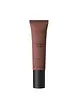
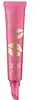
This anti-aging lip moisturizer is formulated around Bis-Diglyceryl Polyacyladipate-2 and Limnanthes Alba Seed Oil to soften the look of wrinkles and hydrate lips.

What's inside
What's inside
 Key Ingredients
Benefits
Concerns
Ingredients Side-by-side
Polyisobutene
C15-19 Alkane
SolventIsostearyl Isostearate
Emollient




Diisostearyl Malate
EmollientIsononyl Isononanoate
EmollientHydrogenated Styrene/Isoprene Copolymer
Hydrogenated Polycyclopentadiene
Hydrogenated Polyisobutene
EmollientPolyglyceryl-2 Triisostearate
Emulsifying
Bis-Diglyceryl Polyacyladipate-2
Emollient
Cera Microcristallina
Emulsion StabilisingLimnanthes Alba Seed Oil
Skin Conditioning
Tocopheryl Acetate
Antioxidant


Tocopherol
Antioxidant



Synthetic Wax
Abrasive
Ethylhexyl Palmitate
Emollient
Glyceryl Caprylate
EmollientEthylhexylglycerin
Skin ConditioningTribehenin
Emollient
Menthone Glycerin Acetal
Refreshing
Sorbitan Isostearate
Emulsifying
Water
Skin ConditioningPentaerythrityl Tetra-Di-T-Butyl Hydroxyhydrocinnamate
Antioxidant
Palmitoyl Tripeptide-1
Skin Conditioning


Aroma


CI 15850
Cosmetic ColorantCI 42090
Cosmetic ColorantCI 77491
Cosmetic ColorantCI 77492
Cosmetic ColorantCI 77499
Cosmetic ColorantPolyisobutene, C15-19 Alkane, Isostearyl Isostearate, Diisostearyl Malate, Isononyl Isononanoate, Hydrogenated Styrene/Isoprene Copolymer, Hydrogenated Polycyclopentadiene, Hydrogenated Polyisobutene, Polyglyceryl-2 Triisostearate, Bis-Diglyceryl Polyacyladipate-2, Cera Microcristallina, Limnanthes Alba Seed Oil, Tocopheryl Acetate, Tocopherol, Synthetic Wax, Ethylhexyl Palmitate, Glyceryl Caprylate, Ethylhexylglycerin, Tribehenin, Menthone Glycerin Acetal, Sorbitan Isostearate, Water, Pentaerythrityl Tetra-Di-T-Butyl Hydroxyhydrocinnamate, Palmitoyl Tripeptide-1, Aroma, CI 15850, CI 42090, CI 77491, CI 77492, CI 77499
Ethylhexyl Palmitate
Emollient
Octyldodecanol
Emollient
Hydrogenated Polyisobutene
EmollientArgania Spinosa Kernel Oil
Emollient

Polybutene
Diisostearyl Malate
EmollientTheobroma Cacao Seed Butter
Emollient
Butyrospermum Parkii Butter
Skin Conditioning
Phytosteryl Isostearate
Skin ConditioningHelianthus Annuus Seed Wax
Skin Conditioning
Silica Dimethyl Silylate
EmollientTocopheryl Acetate
Antioxidant
Tribehenin
Emollient
Sorbitan Stearate
Emulsifying
Ethylhexylglycerin
Skin ConditioningPalmitoyl Tripeptide-1
Skin Conditioning
Phenoxyethanol
Preservative
Citrus Aurantium Peel Oil

Limonene
Perfuming
Linalyl Acetate
Masking
Parfum
Masking
CI 15850
Cosmetic ColorantCI 77491
Cosmetic ColorantCI 77492
Cosmetic ColorantCI 77499
Cosmetic ColorantCI 77891
Cosmetic ColorantEthylhexyl Palmitate, Octyldodecanol, Hydrogenated Polyisobutene, Argania Spinosa Kernel Oil, Polybutene, Diisostearyl Malate, Theobroma Cacao Seed Butter, Butyrospermum Parkii Butter, Phytosteryl Isostearate, Helianthus Annuus Seed Wax, Silica Dimethyl Silylate, Tocopheryl Acetate, Tribehenin, Sorbitan Stearate, Ethylhexylglycerin, Palmitoyl Tripeptide-1, Phenoxyethanol, Citrus Aurantium Peel Oil, Limonene, Linalyl Acetate, Parfum, CI 15850, CI 77491, CI 77492, CI 77499, CI 77891
Ingredients Explained
These ingredients are found in both products.
Ingredients higher up in an ingredient list are typically present in a larger amount.
Ci 15850 is the pigment color red. It is an azo dye and created synthetically.
Azo dyes need to be thoroughly purified before use. This allows them to be more stable and longer-lasting.
This ingredient is common in foundations, lipsticks, and blushes. This color is described as brown/orangey red.
It has many secondary names such as Red 6 and Red 7. According to a manufacturer, Red 6 usually contains aluminum.
Learn more about CI 15850Ci 77491 is also hydrated iron III oxide. It's sole purpose is to give a red/pink hue to products.
Iron III oxides are classified as inorganic chemicals for coloring.
Synthetically created Ci 77491 is considered safer than those naturally found. This is because the synthetically created version may contain less impurities. Iron oxides are generally non-toxic and non-allergenic.
Learn more about CI 77491CI 77492 is also hydrated iron III oxide. It's sole purpose is to give a yellow hue to products.
Iron III oxides are classified as inorganic chemicals for coloring.
Synthetically created CI 77492 is considered safer than those naturally found. This is because the synthetically created version may contain less impurities. Iron oxides are generally non-toxic and non-allergenic.
Learn more about CI 77492Ci 77499 is also hydrated iron III oxide. It is created from mixing red and black iron oxides. This helps give shades of darkness to a product.
Iron III oxides are classified as inorganic chemicals for coloring.
Diisostearyl Malate is an emollient and most often used in lip products. It comes from isostearyl alcohol, a fatty acid, and malic acid, an AHA.
As an emollient, Diisostearyl Malate helps create a thin film on your skin to trap moisture in. This helps keep your skin soft and smooth.
Ethylhexyl Palmitate, also known as octyl palmitate, is created from 2-ethylhexyl alcohol and palmitic acid.
In cosmetics, it plays many roles:
One thing worth noting: a controlled study found this ingredient applied under occlusion to acne-prone subjects increased microcomedones. Just keep in mind this was under occlusive conditions and don't reflect how most products are used day-to-day.
For most people, this is a well-tolerated and lightweight ingredient.
This ingredient may not be fungal acne safe because it is an ester of palmitic acid, a C16 fatty acid that falls within the C11-24 range that Malassezia can metabolize.
You'll see this one rated 4 comedogenic all over the internet. That number isn't from a single study, and the actual research is more interesting.
The original rating comes from 1980s rabbit ear tests (which are a shaky basis for anything). But Ethylhexyl Palmitate is one of the few ingredients with real human data behind it. A 2021 controlled trial found this ingredient increased microcomedones by an average of 365% over four weeks.
Just know that test used the pure ingredient under an occlusive pad on back skin; most products use it at much lower levels alongside other ingredients and plenty of people use those with no issue.
Learn more about Ethylhexyl PalmitateEthylhexylglycerin is created from glycerin. It is a multitasker ingredient that:
The CIR Expert Panel found minimal skin absorption or sensitization of any kind in a safety assessment. Though this ingredient is considered well-tolerated, a small number of cases of allergic dermatitis have been published since 2002. Just be sure to patch test if you are unsure.
Industry-reported use ranges from 8% in rinse-off products and 2% in leave-on formulations.
Learn more about EthylhexylglycerinHydrogenated Polyisobutene is a synthetic polymer. Polymers are compounds with high molecular weight. Hydrogenated Polyisobutene is an emollient and texture enhancer.
In one study, Hydrogenated Polyisobutene showed better skin hydration levels than Caprylic/Capric Triglyceride. As an emollient, it helps keep your skin soft and hydrated by trapping moisture in.
Hydrogenated Polyisobutene is often used as a mineral oil replacement.
Learn more about Hydrogenated PolyisobutenePalmitoyl Tripeptide-1 (aka Pal-GHK) is a synthetic signal peptide made of three amino acids attached to palmitic acid.
That fatty acid attachment is the key: it boosts the peptide's ability to penetrate the skin barrier. This puts it closer to the dermal cells where it can actually make a difference.
Once there, it acts as a matrikine, a signaling peptide that prompts fibroblasts to produce more collagen, fibronectin, and hyaluronic acid.
In vitro studies show it can boost collagen production in skin cells even when UV-damaged skin samples were treated with it at a tiny concentration (it almost fully restored dermal collagen at 5ppm). It achieved this at 100x lower concentration than retinoic acid, which needed 500 ppm to do the same thing.
Human clinical data is promising, but modest:
A study of 23 female volunteers found a small but statistically significant increase (~4%) in skin thickness after treatment at 4 ppm.
A separate small trial of 15 women showed statistically significant reductions in wrinkle length, depth, and skin roughness after applying it twice daily for four weeks.
You'll likely see Pal-GHK paired with Palmitoyl Tetrapeptide-7 as part of the Matrixyl 3000 complex.
Fungal acne note:
Usually a palmitic acid component can feed Malassezia in unbound form, but here is is covalently bonded to the peptide. This means it is very difficult for Malassezia to access, and therefore very unlikely to cause fungal acne.
Tocopheryl Acetate is a stable, shelf-friendly form of vitamin E.
Formulators love it because plain vitamin E oxidizes quickly once it hits air. This acetate version stays stable and resists going off, helping to extend a product's shelf life.
It's actually inactive on its own and works like a slow-release "storage" form; the enzymes in your skin called esterases gradually convert it into active vitamin E over time.
One in vivo study showed 5% of the acetate in the living layer of the epidermis converted to vitamin E after 5 days of application. This study also found the skin gained protection against UV damage even though the conversion was slow and small.
Once converted, vitamin E acts as a skin's main fat-soluble antioxidant that fights free radicals to protect skin from damage.
Topical vitamin E generally boosts the skin's photoprotection, and it reduced UV-damage in animal models.
This ingredient has some brightening potential but it's more of a prevention ingredient than spot-fader. Cell studies show it can slow down melanin production but it's worth noting that it's not the most powerful brightener out there.
Overall, it has a pretty solid safety profile and has been found to be non-irritating and non-comedogenic. Allergic reactions may happen but stay rare due to how widely the ingredient gets used.
The concentration will vary depending on the formula; industry data shows 0.1% in baby lotions, 3% in lipsticks, and 5% in foot powders. You can also find this ingredient at 100% in a pure vitamin E oil.
Most leave-on skincare keeps it at the lower end, often between 0.5-1%.
Learn more about Tocopheryl AcetateTribehenin is the triglyceride of glycerin and behenic acid. It is an emollient that helps soften and condition skin.
Safety-wise, this is a well-vetted ingredient. Repeated-insult patch tests of 0.38% tribehenin did not trigger sensitization.
This ingredient may not be fungal acne safe because behenic acid falls into the chain-length range that Malassezia yeasts can feed on.
Learn more about Tribehenin

