
What's inside
What's inside
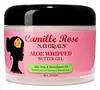 Key Ingredients
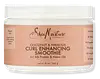
Benefits
Concerns
Ingredients Side-by-side
Aloe Barbadensis Leaf Water
MaskingAloe Barbadensis Leaf Extract
Emollient


Cetearyl Alcohol
Emollient






Behentrimonium Methosulfate
SurfactantRicinus Communis Seed Oil
Masking

Macadamia Ternifolia Seed Oil
Emollient
Persea Gratissima Oil
Skin Conditioning
Prunus Amygdalus Dulcis Oil
Skin Conditioning
Simmondsia Chinensis Seed Oil
Emollient

Cetyl Alcohol
Emollient
Camellia Sinensis Leaf Extract
Antimicrobial




Ulmus Fulva Bark Extract
MoisturisingRosmarinus Officinalis Leaf Extract
AntimicrobialTocopheryl Acetate
Antioxidant
Ascorbic Acid
Antioxidant


Panthenol
Skin Conditioning
Phenoxyethanol
Preservative
Caprylyl Glycol
Emollient
Parfum
Masking

Aloe Barbadensis Leaf Water, Aloe Barbadensis Leaf Extract, Cetearyl Alcohol, Behentrimonium Methosulfate, Ricinus Communis Seed Oil, Macadamia Ternifolia Seed Oil, Persea Gratissima Oil, Prunus Amygdalus Dulcis Oil, Simmondsia Chinensis Seed Oil, Cetyl Alcohol, Camellia Sinensis Leaf Extract, Ulmus Fulva Bark Extract, Rosmarinus Officinalis Leaf Extract, Tocopheryl Acetate, Ascorbic Acid, Panthenol, Phenoxyethanol, Caprylyl Glycol, Parfum
Water
Skin ConditioningButyrospermum Parkii Butter
Skin Conditioning
Cocos Nucifera Oil
Masking
Macadamia Ternifolia Seed Oil
Emollient
Mangifera Indica Seed Butter
Skin Conditioning
Persea Gratissima Oil
Skin Conditioning
Glycerin
Humectant
Aloe Barbadensis Leaf Extract
Emollient
Hydrolyzed Silk
Humectant
Myrtrimonium Bromide
Preservative
Melia Azadirachta Seed Oil
Emollient
Daucus Carota Sativa Seed Oil
Emollient
Sorbitol
Humectant
Panthenol
Skin Conditioning
Caprylyl Glycol
Emollient
Ocimum Basilicum Oil
Masking
Lonicera Caprifolium Flower Extract
Perfuming
Lonicera Japonica Flower Extract
Skin ConditioningTocopherol
Antioxidant
Hibiscus Syriacus Flower Extract
Antioxidant
Water, Butyrospermum Parkii Butter, Cocos Nucifera Oil, Macadamia Ternifolia Seed Oil, Mangifera Indica Seed Butter, Persea Gratissima Oil, Glycerin, Aloe Barbadensis Leaf Extract, Hydrolyzed Silk, Myrtrimonium Bromide, Melia Azadirachta Seed Oil, Daucus Carota Sativa Seed Oil, Sorbitol, Panthenol, Caprylyl Glycol, Ocimum Basilicum Oil, Lonicera Caprifolium Flower Extract, Lonicera Japonica Flower Extract, Tocopherol, Hibiscus Syriacus Flower Extract
Reviews
Ingredients Explained
These ingredients are found in both products.
Ingredients higher up in an ingredient list are typically present in a larger amount.
Aloe Barbadensis Leaf Extract is a botanical extract pulled from the leaves of aloe vera and one of the most studied plant ingredients in cosmetics.
The inner leaf gel it comes from is mostly water (~99-99.5%) and the remaining fraction is made up of pretty good stuff: polysaccharides, vitamins, phenolics, and enzymes.
Its headline job is hydration.
The star polysaccharide in aloe, acemannan, is a humectant that retains moisture and helps reduce trans-epidermal water loss.
Aloe also has real soothing credentials; it contains anti-inflammatory compounds like bradykinase and C-glucosyl chromone that help calm irritation and redness.
On the repair side, lab work shows that acemannan wakes up your skin's repair cells (fibroblasts), prompting them to multiply and speed up healing.
There's some human data for cosmetic benefit too: a cream containing 10% Aloe Barbadensis leaf extract improved skin hydration and elasticity in a real-use study.
Safety-wise, this ingredient is well-regarded with just one rare downside; there have been some case reports of acute eczema, contact urticaria, and dermatitis in people who applied aloe-derived ingredients topically. Those with a known aloe or Liliaceae sensitivity should patch test.
Typical use levels range widely, from under 1% up to 90%+ depending on the format and the effect you are after.
Learn more about Aloe Barbadensis Leaf ExtractCaprylyl Glycol is a humectant, skin conditioner, emollient, and preservative booster derived from either caprylic acid or synthetically created.
Typical use levels vary from 0.3-1% as a preservative booster and go up to 2% to condition skin.
Because it is not a free-fatty acid, this ingredient is fungal acne safe (there's nothing for Malassezia to feed on).
Learn more about Caprylyl GlycolThis ingredient is also known as Macadamia Seed Oil. It's an emollient with a fatty acid profile that closely mirrors the skin's own lipid makeup.
The palmitoleic acid content is especially notable as it's somewhat rare in plant oils. Palmitoleic acid is something your skin already makes naturally. It helps keep cell membranes structured and plays a role in fighting off harmful microbes.
This palmitoleic content is also part of why macademia seed oil absorbs quickly and doesn't leave much of a greasy residue.
It also contains oleic acid, linoleic acid, and phytosterols that can help reduce redness.
In vitro research has shown the oil to have meaningful antioxidant activity, protect fats in the skin from oxidative damage, and slow down the enzyme that breaks down hyaluronic acid.
A 2024 clinical study found it effective at improving skin hydratino and reducing wrinkle appearance when formulated into nanoemulsions.
Because it carries oleic acid (C18) and palmitic acid (C16), this ingredient may not be fungal acne safe. This is because the Malassezia yeast metabolizes in the C11-24 chain length range.
You'll also see this ingredient listed as: Macadamia Integrifolia Seed Oil .
These two oils are identical in composition and M. ternifolia is an older INCI naming convention for the edible macadamia nut while M. integrifolia is the species actually cultivated for oil production. Both names refer to the same oil.
Learn more about Macadamia Ternifolia Seed OilPanthenol is a common ingredient that helps hydrate and soothe the skin. It is found naturally in our skin and hair.
There are two forms of panthenol: D and L.
D-panthenol is also known as dexpanthenol. Most cosmetics use dexpanthenol or a mixture of D and L-panthenol.
Panthenol is famous due to its ability to go deeper into the skin's layers. Using this ingredient has numerous pros (and no cons):
Like hyaluronic acid, panthenol is a humectant. Humectants are able to bind and hold large amounts of water to keep skin hydrated.
This ingredient works well for wound healing. It works by increasing tissue in the wound and helps close open wounds.
Once oxidized, panthenol converts to pantothenic acid. Panthothenic acid is found in all living cells.
This ingredient is also referred to as pro-vitamin B5.
Learn more about PanthenolThis ingredient is also known as Avocado oil. It's the cold-pressed oil from the flesh of the avocado fruit packed with fatty acids (mostly oleic acid).
The rich fatty acid profile allows it to function as a skin conditioning agent and emollient; it helps soften and smooth skin while reducing water loss.
Preclinical research has found that topical avocado oil increased collagen synthesis and reduced inflammation during wound healing, giving it some skin-repairing credibility.
The unsaponifiable fraction of the oil is also interesting: studies on avocado unsaponifiables showed that it helped skin produce more collagen and other structural compounds that support healing.
The CIR Expert Panel has found this ingredient to be non-irritating in formulations.
It's a great ingredient for dry or compromised skin. Just know it may not be fungal acne safe. This is because the oleic acid content falls within the range that Malassezia can use as a food source.
Learn more about Persea Gratissima Oil

