
What's inside
What's inside
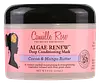 Key Ingredients
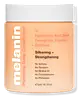
Benefits
Concerns
Ingredients Side-by-side
Water
Skin ConditioningAloe Barbadensis Leaf Juice
Skin Conditioning


Butyrospermum Parkii Butter
Skin Conditioning





Cocos Nucifera Oil
Masking


Behentrimonium Methosulfate
SurfactantCetyl Alcohol
Emollient
Theobroma Cacao Seed Butter
Emollient
Mangifera Indica Seed Butter
Skin Conditioning
Cannabis Sativa Seed Oil
Emollient
Panthenol
Skin Conditioning
Mel
EmollientGlycerin
Humectant
Camellia Sinensis Leaf Extract
Antimicrobial




Simmondsia Chinensis Seed Oil
Emollient
Rosa Canina Fruit Oil
Emollient
Vitis Vinifera Seed Oil
Emollient
Oenothera Biennis Oil
Emollient
Phenoxyethanol
Preservative
Caprylyl Glycol
Emollient
Algae
Skin Conditioning
Biotin
AntiseborrhoeicDimethyl Sulfone
SolventTocopheryl Acetate
Antioxidant
Mentha Piperita Oil
Masking



Water, Aloe Barbadensis Leaf Juice, Butyrospermum Parkii Butter, Cocos Nucifera Oil, Behentrimonium Methosulfate, Cetyl Alcohol, Theobroma Cacao Seed Butter, Mangifera Indica Seed Butter, Cannabis Sativa Seed Oil, Panthenol, Mel, Glycerin, Camellia Sinensis Leaf Extract, Simmondsia Chinensis Seed Oil, Rosa Canina Fruit Oil, Vitis Vinifera Seed Oil, Oenothera Biennis Oil, Phenoxyethanol, Caprylyl Glycol, Algae, Biotin, Dimethyl Sulfone, Tocopheryl Acetate, Mentha Piperita Oil
Water
Skin ConditioningDiheptyl Succinate
EmollientCapryloyl Glycerin/Sebacic Acid Copolymer
Skin ConditioningBehentrimonium Methosulfate
SurfactantGlycerin
Humectant
Cetearyl Alcohol
Emollient
Panthenol
Skin Conditioning
Aloe Barbadensis Leaf Juice
Skin Conditioning
Simmondsia Chinensis Seed Oil
Emollient
Argania Spinosa Kernel Oil
Emollient
Hydrolyzed Pea Protein
EmollientHydrolyzed Vegetable Protein
Skin ConditioningMusa Sapientum Flower Extract
Skin ConditioningCucurbita Pepo Seed Oil
Emollient
Cymbopogon Flexuosus Oil
Masking
Pelargonium Graveolens Flower Oil
Masking
Mentha Piperita Oil
Masking
Citrus Aurantifolia Oil
Cleansing
Salvia Officinalis Oil
Masking
Citrus Aurantium Bergamia Peel Oil
Perfuming
Salvia Sclarea Oil
Masking
Zingiber Officinale Root Oil
Masking
Cannabis Sativa Seed Oil
Emollient
Trigonella Foenum-Graecum Seed Extract
Perfuming
Camellia Sinensis Leaf Extract
Antimicrobial
Biotin
AntiseborrhoeicSodium Hyaluronate
Humectant
Hydrolyzed Adansonia Digitata Seed Extract
Bambusa Vulgaris Extract
Skin Conditioning
Caprylhydroxamic Acid
ChelatingCaprylyl Glycol
Emollient
Citric Acid
Buffering
Water, Diheptyl Succinate, Capryloyl Glycerin/Sebacic Acid Copolymer, Behentrimonium Methosulfate, Glycerin, Cetearyl Alcohol, Panthenol, Aloe Barbadensis Leaf Juice, Simmondsia Chinensis Seed Oil, Argania Spinosa Kernel Oil, Hydrolyzed Pea Protein, Hydrolyzed Vegetable Protein, Musa Sapientum Flower Extract, Cucurbita Pepo Seed Oil, Cymbopogon Flexuosus Oil, Pelargonium Graveolens Flower Oil, Mentha Piperita Oil, Citrus Aurantifolia Oil, Salvia Officinalis Oil, Citrus Aurantium Bergamia Peel Oil, Salvia Sclarea Oil, Zingiber Officinale Root Oil, Cannabis Sativa Seed Oil, Trigonella Foenum-Graecum Seed Extract, Camellia Sinensis Leaf Extract, Biotin, Sodium Hyaluronate, Hydrolyzed Adansonia Digitata Seed Extract, Bambusa Vulgaris Extract, Caprylhydroxamic Acid, Caprylyl Glycol, Citric Acid
Reviews
Ingredients Explained
These ingredients are found in both products.
Ingredients higher up in an ingredient list are typically present in a larger amount.
Aloe Barbadensis Leaf Juice is the filtered, stabilized liquid pressed from the inner gel of the aloe vera leaf.
In cosmetics, it shows up as either soothing active or a water-replacement base. It is roughly 98-99% water and the last 1-2% is an interesting mix of polysaccharides, amino acids, vitamins, minerals, and enzymes.
The polysaccharides do most of the work: they bind water at the skin surface for a light, non-greasy hydration boost. And one of the polysaccharides, glycomannan, is linked to fibroblast stimulation + collagen synthesis. This is also why aloe has such a long track record in wound and burn healing.
This ingredient is also calming with anti-inflammatory and mild antimicrobial activity, making it a great pick for sensitive, irritated, or post-sun skin.
Realistic expectations matter though; the solid evidence is mostly limited to hydration, soothing, and wound support. Deeper claims about anti-aging or sun protection are not well backed, and science reviews note it does not prevent radiation-induced skin injury.
Because it plays well with almost everything, it's commonly used as a base alongside other actives like niacinamide or vitamin C.
Typical usage concentrations range from 0.5% (where hydration benefits already show up) all the way to 90%+ (where it replaces water as the main base).
The safety for this ingredient is well-establish as well. Overall, this is a great supporting ingredient for those who want a boost in hydration.
Learn more about Aloe Barbadensis Leaf JuiceBehentrimonium Methosulfate is a gentle, positively-charged conditioning agent made from rapeseed oil.
It's the opposite of a harsh cleansing sulfate despite having "sulfate" in its name; its a detangler/softener in haircare and helps keep oil/water blended into a creamy texture as an emulsifier.
Concentration-wise, safety review reports the wider trimonium family shows up between 0.0005% to 10% in rinse-off products and 0.001% to 4% in leave-on products.
This ingredient is commonly used at ~1–5% when acting as the emulsifier.
Allergies to this ingredient are rare; the CIR panel noted the literature lacks clinical reports of irritation or sensitization and patch tests on finished products containing it came back clean.
Learn more about Behentrimonium MethosulfateBiotin is a B vitamin that is naturally produced by our bodies. It is also called Vitamin H.
Our bodies use biotin in the metabolism process. It also helps our bodies use enzymes and move nutrients around. A biotin deficiency can lead to brittle hair and nails.
More research is needed on applying biotin topically. However, taking biotin orally has been shown to help nourish the skin, hair, and nails. They play a role in forming skin-hydrating fatty acids.
Biotin is water-soluble. It can be found in foods such as fish, eggs, dairy, nuts, and meat. Vitamin H stands for "haar" and "haut". These are the German words for hair and skin.
Learn more about BiotinCamellia Sinensis Leaf Extract (tea extract) is one of the most well-researched plant extracts in skincare with an impressive resume.
Black tea, green tea, and oolong tea are all harvested from the Camellia Sinensis plant.
Studies show green tea extract and its catechins (like epigallocatechin gallate (EGCG)) help your skin cells product energy more efficiently and reducing the number of free-radicals that can damage your skin from the inside.
In lab-grown skin models, this translated to younger, healthier, and stronger skin.
There's also good sun protection data; researchers saw less DNA damage and redness on human skin when green tea was applied before UVB exposure. And the more they applied, the better the protection.
Needless to say, this ingredient shouldn't replace your sunscreen. But it is a great supportive ingredient that you can already find in many sunscreens and antioxidant serums.
A 2009 study found a 2% green tea lotion was effective for mild-to-moderate acne thanks to its anti-inflammatory and mild antimicrobial activity.
The quality of the extract matters a lot here:
Good extracts contain 50-90% catechins while lower quality ones are mostly there for marketing. We recommend reaching out to the brand if you have questions about the quality or source of their ingredients.
Human Repeated Insult Patch Testing showed no irritation or sensitization at use concentrations (0.86% in leave-on products and up to 30% as leaf water).
Learn more about Camellia Sinensis Leaf ExtractCannabis Sativa Seed Oil is the fixed oil expressed from the seeds of the Cannabis sativa plant. This is also known as hemp oil.
Hemp oil is an emollient and nourishes the skin. It contains many fatty acids such as linoleic acid, amino acids, phospholipids, and vitamin E.
The difference between hemp and cannabis is their psychoactive component. Hemp has low amounts of THC.
Learn more about Cannabis Sativa Seed OilCaprylyl Glycol is a humectant, skin conditioner, emollient, and preservative booster derived from either caprylic acid or synthetically created.
Typical use levels vary from 0.3-1% as a preservative booster and go up to 2% to condition skin.
Because it is not a free-fatty acid, this ingredient is fungal acne safe (there's nothing for Malassezia to feed on).
Learn more about Caprylyl GlycolGlycerin (or glycerol) is a compound naturally found in your skin. It's a powerhouse humectant that pulls water into the stratum corneum.
Topically, glycerin does several things at once:
Your skin makes glycerin on its own (mostly from sebaceous oil breakdown) and shuttles it to your outermost layer of skin, or your epidermis, via aquaporin-3.
Aquaporin-3 is a transporter that is essential for normal skin hydration, elasticity, and repair. Interestingly, mice lacking in AQP3 have dry and less elastic skin that can be fully corrected with glycerin.
This ingredient is non-irritating, plays well with almost every ingredient, and works across all skin types. Typical use is anywhere between 3-10% but can go up to 79% in some leave-on products.
Just know very high concentrations (>40%) can feel tacky in low humidity.
Glycerin is the name for this ingredient in American English. British English uses Glycerol/Glycerine.
Learn more about GlycerinThis essential oil is steam-distilled from peppermint leaves, also known as peppermint oil. It's mainly used for scent in skincare but also provides that signature "cooling" sensation.
Peppermint oil is a "feels amazing" ingredient until it doesn't.
At higher doses or for those with sensitive skin, methol-type cooling can quickly turn into burning/irritation. It can also trigger irritant dermatitis or even allergic contact dermatitis. In a large patch-test dataset, peppermint oil had a low but positive rate for this.
In cosmetics, Cosmetic Safety Reviews (CIR) concludes that peppermint oil is safe to use when formulated to be non-sensitizing with some restrictions; for instance, pulegone, a naturally occurring component of peppermint oil, should not exceed 1%.
Since peppermint oil contains fragrance allergens such as limonene, linalool, and menthol, it can be sensitizing for those with rosacea, eczema, a broken skin barrier, or just sensitive skin in general.
In Japan, this ingredient is known as Hakka Yu.
Learn more about Mentha Piperita OilPanthenol is a common ingredient that helps hydrate and soothe the skin. It is found naturally in our skin and hair.
There are two forms of panthenol: D and L.
D-panthenol is also known as dexpanthenol. Most cosmetics use dexpanthenol or a mixture of D and L-panthenol.
Panthenol is famous due to its ability to go deeper into the skin's layers. Using this ingredient has numerous pros (and no cons):
Like hyaluronic acid, panthenol is a humectant. Humectants are able to bind and hold large amounts of water to keep skin hydrated.
This ingredient works well for wound healing. It works by increasing tissue in the wound and helps close open wounds.
Once oxidized, panthenol converts to pantothenic acid. Panthothenic acid is found in all living cells.
This ingredient is also referred to as pro-vitamin B5.
Learn more about PanthenolJojoba oil is one of the most well-studied plant-derived ingredients in cosmetics. It is an emollient with a special structure.
Because it is made up of 97-98% wax esters, it closely mirrors the linear monoesters found in human sebum. This makes it skin compatible, non-greasy, and lightweight.
Unlike other plant oils, jojoba wax doesn't easily penetrate skin. It mostly works in the uppermost layers as an emollient. This just means it forms a light barrier on the skin to help retain moisture.
Formulations with jojoba esters up to 90% reduced transepidermal water loss (TEWL) and increased barrier recovery by 81% (outperforming bisabolol at 47%).
Besides barrier support, the science also suggests jojoba to have anti-inflammatory effects and potential applications for skin infections, aging, and wound healing.
Fun fact: Indigenous cultures have used jojoba as a moisturizer and to help treat burns for centuries.
Fungal acne: The Malassezia yeast is known to metabolize fatty acids in the C11-24 range and jojoba's dominant fatty acid components fall into this range. This ingredient may not be fungal acne safe.
Learn more about Simmondsia Chinensis Seed OilWater. It's the most common cosmetic ingredient of all. You'll usually see it at the top of ingredient lists, meaning that it makes up the largest part of the product.
So why is it so popular? Water most often acts as a solvent - this means that it helps dissolve other ingredients into the formulation.
You'll also recognize water as that liquid we all need to stay alive. If you see this, drink a glass of water. Remember to stay hydrated!
Learn more about Water

