Burt's Bees 100% Natural Conditioning Lip Scrub with Exfoliating Honey Crystals Versus Etude House Ginger Sugar Overnight Lip Mask
This hydrating lip mask is formulated around Honey and Ricinus Communis Seed Oil to hydrate lips.
This hydrating lip mask is formulated around Butyrospermum Parkii Butter and Zingiber Officinale Root Extract to hydrate lips and strengthen the lip barrier.


What's inside
What's inside
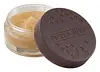 Key Ingredients
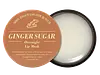
Benefits
Concerns
Ingredients Side-by-side



Polybutene
Hydrogenated Polyisobutene
EmollientPhytosteryl Isostearyl Dimer Dilinoleate
EmollientDiisostearyl Malate
EmollientPhytosteryl/Isostearyl/Cetyl/Stearyl/Behenyl Dimer Dilinoleate
Skin Conditioning

Dextrin Palmitate
Emulsifying
Butyrospermum Parkii Butter
Skin Conditioning




Microcrystalline Wax
Emulsion StabilisingPolyethylene
Abrasive
Glycerin
Humectant
Beeswax
Emulsion Stabilising
Tocopheryl Acetate
Antioxidant


Euphorbia Cerifera Cera
Astringent
Astrocaryum Murumuru Seed Butter
Emollient
Ethylene/Propylene/Styrene Copolymer
Triethylhexanoin
MaskingDimethicone
Emollient
Caprylic/Capric Triglyceride
Masking
Ozokerite
Emulsion StabilisingPolyhydroxystearic Acid
Emulsifying
Limonene
Perfuming


Polyglyceryl-2 Dipolyhydroxystearate
Skin Conditioning
Disteardimonium Hectorite
StabilisingEthylhexyl Palmitate
Emollient
Lecithin
Emollient
Isostearic Acid
Cleansing
Isopropyl Palmitate
Emollient
Sorbitan Isostearate
Emulsifying
Parfum
Masking
Polyglyceryl-3 Polyricinoleate
Emulsifying
Dehydroacetic Acid
Preservative
Butylene/Ethylene/Styrene Copolymer
Linalool
Perfuming
Trehalose
Humectant
Pentaerythrityl Tetra-Di-T-Butyl Hydroxyhydrocinnamate
Antioxidant
Citral
Perfuming
Water
Skin ConditioningButylene Glycol
Humectant
Zingiber Officinale Root Extract
Masking
BHT
Antioxidant
Polybutene, Hydrogenated Polyisobutene, Phytosteryl Isostearyl Dimer Dilinoleate, Diisostearyl Malate, Phytosteryl/Isostearyl/Cetyl/Stearyl/Behenyl Dimer Dilinoleate, Dextrin Palmitate, Butyrospermum Parkii Butter, Microcrystalline Wax, Polyethylene, Glycerin, Beeswax, Tocopheryl Acetate, Euphorbia Cerifera Cera, Astrocaryum Murumuru Seed Butter, Ethylene/Propylene/Styrene Copolymer, Triethylhexanoin, Dimethicone, Caprylic/Capric Triglyceride, Ozokerite, Polyhydroxystearic Acid, Limonene, Polyglyceryl-2 Dipolyhydroxystearate, Disteardimonium Hectorite, Ethylhexyl Palmitate, Lecithin, Isostearic Acid, Isopropyl Palmitate, Sorbitan Isostearate, Parfum, Polyglyceryl-3 Polyricinoleate, Dehydroacetic Acid, Butylene/Ethylene/Styrene Copolymer, Linalool, Trehalose, Pentaerythrityl Tetra-Di-T-Butyl Hydroxyhydrocinnamate, Citral, Water, Butylene Glycol, Zingiber Officinale Root Extract, BHT
Reviews
Alternatives
Ingredients Explained
These ingredients are found in both products.
Ingredients higher up in an ingredient list are typically present in a larger amount.
Beeswax is natural wax produced by honey bees to build their honeycomb.
Because it forms a protective layer on your skin, it can help lock in moisture and reduce water loss. It is also widely used as a thickener and emulsifier in lip balms and lotions. Research suggests beeswax containing moisturizers can support skin barrier integrity.
In comedogenic testing, Beeswax scored a 0-2, which is on the low end. Whether or not a product clogs your pores really comes down to the formula as a whole (not any single ingredient on its own) and your skin.
Cera Alba is the white, bleached form of this ingredient.
Just so you know, beeswax is not vegan since it is animal-derived. It cannot be removed with water, but can be taken off with an oil cleanser.
People with a known Propolis allergy also report to have reactions from beeswax.
Beeswax's wax esters are derived primarily from palmitic and oleic acid (C16 and C18:1). Both of these fall within the C11-C24 feeding window.
The Malassezia yeast can potentially cleave these esters and release usable fatty acids, so this ingredient may not be fungal acne safe. However, not everyone will react to this ingredient.
Learn more about BeeswaxLimonene is the compound that gives citrus peel its smell.
In skincare, it shows up as a standalone fragrance ingredient or as a natural compound of citrus and other essential oils.
You'll typically see this ingredient used in very small amounts; anything above 0.001% in a leave-on product or 0.01% in a rinse-off has to be named on the label in the EU. The citrus oils that carry it sit around 0.5-1% in a finished formula.
Fresh limonene is a weak allergen; the real issue is that it slowly reacts with air and then breaks down from oxidation to create hydroperoxides (which are strong sensitizers). This is why suppliers are required to keep the peroxide value below 20 mmol.
Positive reactions in people being investigated for eczema vary:
It's worth skipping if you have a known fragrance allergy or a compromised barrier, but the risk is low for most people.
Older or long-opened products are also more likely to bother you than fresh ones due to oxidation.
Learn more about Limonene

