

What's inside
What's inside
 Key Ingredients
Benefits
Concerns
Ingredients Side-by-side
Water
Skin ConditioningSodium Cocoyl Isethionate
Cleansing
Lauramidopropyl Betaine
CleansingGlycerin
Humectant


Sodium C14-16 Olefin Sulfonate
Cleansing
Cocamidopropyl Hydroxysultaine
Cleansing
Coffea Arabica Seed Oil
Masking

Copper Tripeptide-34
Skin Conditioning
Panax Ginseng Root Extract
Emollient

Biotin
AntiseborrhoeicCoconut Acid
Cleansing
Leuconostoc/Radish Root Ferment Filtrate
Antimicrobial
Sodium Methyl Cocoyl Taurate
Cleansing
Sodium Isethionate
CleansingCitric Acid
Buffering


Aloe Barbadensis Leaf Juice
Skin Conditioning
Caffeine
Skin Conditioning
Propanediol
Solvent
Lindera Strychnifolia Root Extract
Skin ConditioningTocopheryl Acetate
Antioxidant

Ubiquinone
Antioxidant
Glycine
Buffering
Larix Europaea Wood Extract
HumectantSodium Metabisulfite
Antioxidant
Camellia Sinensis Leaf Extract
Antimicrobial

Zinc Chloride
AntimicrobialSodium Hydroxide
BufferingParfum
Masking


Caprylhydroxamic Acid
Benzyl Alcohol
Perfuming

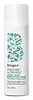
Water, Sodium Cocoyl Isethionate, Lauramidopropyl Betaine, Glycerin, Sodium C14-16 Olefin Sulfonate, Cocamidopropyl Hydroxysultaine, Coffea Arabica Seed Oil, Copper Tripeptide-34, Panax Ginseng Root Extract, Biotin, Coconut Acid, Leuconostoc/Radish Root Ferment Filtrate, Sodium Methyl Cocoyl Taurate, Sodium Isethionate, Citric Acid, Aloe Barbadensis Leaf Juice, Caffeine, Propanediol, Lindera Strychnifolia Root Extract, Tocopheryl Acetate, Ubiquinone, Glycine, Larix Europaea Wood Extract, Sodium Metabisulfite, Camellia Sinensis Leaf Extract, Zinc Chloride, Sodium Hydroxide, Parfum, Caprylhydroxamic Acid, Benzyl Alcohol
Water
Skin ConditioningSodium Laureth Sulfate
Cleansing

Sodium Lauryl Sulfate
Cleansing
Cocamidopropyl Betaine
Cleansing
Caffeine
Skin Conditioning
Sandalore
Sodium Benzoate
Masking
Citric Acid
Buffering
Mentha Arvensis Leaf Oil
Masking
Panthenol
Skin Conditioning
Salicylic Acid
Masking


Lauric Acid
Cleansing

Niacinamide
Smoothing

Trisodium Ethylenediamine Disuccinate
Methylparaben
Preservative

Polyquaternium-10
Mentha Piperita Oil
Masking
Sodium Hydroxide
BufferingLimonene
Perfuming
Biotin
AntiseborrhoeicAlcohol
Antimicrobial
Tocopherol
Antioxidant
Sodium Citrate
BufferingSodium Chloride
MaskingSodium Xylenesulfonate
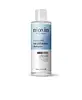
Water, Sodium Laureth Sulfate, Sodium Lauryl Sulfate, Cocamidopropyl Betaine, Caffeine, Sandalore, Sodium Benzoate, Citric Acid, Mentha Arvensis Leaf Oil, Panthenol, Salicylic Acid, Lauric Acid, Niacinamide, Trisodium Ethylenediamine Disuccinate, Methylparaben, Polyquaternium-10, Mentha Piperita Oil, Sodium Hydroxide, Limonene, Biotin, Alcohol, Tocopherol, Sodium Citrate, Sodium Chloride, Sodium Xylenesulfonate
Ingredients Explained
These ingredients are found in both products.
Ingredients higher up in an ingredient list are typically present in a larger amount.
Biotin is a B vitamin that is naturally produced by our bodies. It is also called Vitamin H.
Our bodies use biotin in the metabolism process. It also helps our bodies use enzymes and move nutrients around. A biotin deficiency can lead to brittle hair and nails.
More research is needed on applying biotin topically. However, taking biotin orally has been shown to help nourish the skin, hair, and nails. They play a role in forming skin-hydrating fatty acids.
Biotin is water-soluble. It can be found in foods such as fish, eggs, dairy, nuts, and meat. Vitamin H stands for "haar" and "haut". These are the German words for hair and skin.
Learn more about BiotinCaffeine is a naturally occurring plant compound found in coffee beans, tea leaves, cocoa pods, and guarana.
As an antioxidant, caffeine protects your skin from free radical damage caused by UV exposure and envionrmnetal stressors.
Early research also shows that caffeine can help calm redness, soothe irritated skin, and support hair growth by stimulating microcirculation in the scalp.
You might have seen eye creams marketing caffeine as a depuffing ingredient. This is because it is a vasoconstrictor meaning it can temporarily constrict blood vessels, though clinical evidence for this specific use is still limited.
Most skincare products contain this ingredient at concentrations between 1-6%. It is able to penetrate skin easily regardless of skin type or thickness.
Just so you know, a very small number of case reports describe caffeine-induced allergy. This ingredient is generally well-tolerated, non-irritating, and non-sensitizing for the majority of people.
Learn more about CaffeineCitric Acid is an alpha hydroxy acid (AHA) naturally found in citrus fruits like oranges, lemons, and limes.
Like other AHAs, citric acid can exfoliate skin by breaking down the bonds that hold dead skin cells together. This helps reveal smoother and brighter skin underneath.
However, this exfoliating effect only happens at high concentrations (20%) which can be hard to find in cosmetic products.
Due to this, citric acid is usually included in small amounts as a pH adjuster. This helps keep products slightly more acidic and compatible with skin's natural pH.
In skincare formulas, citric acid can:
While it can provide some skin benefits, research shows lactic acid and glycolic acid are generally more effective and less irritating exfoliants.
Most citric acid used in skincare today is made by fermenting sugars (usually from molasses). This synthetic version is identical to the natural citrus form but easier to stabilize and use in formulations.
Read more about some other popular AHA's here:
Learn more about Citric AcidSodium Hydroxide is also known as lye or caustic soda. It is used to adjust the pH of products; many ingredients require a specific pH to be effective.
In small amounts, sodium hydroxide is considered safe to use. However, large amounts may cause chemical burns due to its high alkaline.
Your skin has a natural pH and acid mantle. This acid mantle helps prevent harmful bacteria from breaking through. The acid mantle also helps keep your skin hydrated.
"Alkaline" refers to a high pH level. A low pH level would be considered acidic.
Learn more about Sodium HydroxideWater. It's the most common cosmetic ingredient of all. You'll usually see it at the top of ingredient lists, meaning that it makes up the largest part of the product.
So why is it so popular? Water most often acts as a solvent - this means that it helps dissolve other ingredients into the formulation.
You'll also recognize water as that liquid we all need to stay alive. If you see this, drink a glass of water. Remember to stay hydrated!
Learn more about Water

