
What's inside
What's inside
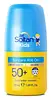 Key Ingredients
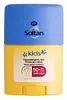
Benefits
Concerns
Ingredients Side-by-side
Water
Skin ConditioningC12-15 Alkyl Benzoate
AntimicrobialButyl Methoxydibenzoylmethane
UV Absorber
Octocrylene
UV Absorber


Butylene Glycol
Humectant

Ethylhexyl Salicylate
UV Absorber
Adipic Acid/Diglycol Crosspolymer
Methylene Bis-Benzotriazolyl Tetramethylbutylphenol
UV Filter
Polyglyceryl-3 Methylglucose Distearate
Emulsifying
Bis-Ethylhexyloxyphenol Methoxyphenyl Triazine
Skin Conditioning
Dimethicone
Emollient

Acrylates/Octylacrylamide Copolymer
Tribehenin
Emollient
Diethylhexyl Butamido Triazone
UV Absorber
Phenoxyethanol
Preservative
Potassium Cetyl Phosphate
EmulsifyingDecyl Glucoside
Cleansing
Panthenol
Skin Conditioning

Methylparaben
Preservative
Parfum
Masking


Caprylyl Glycol
Emollient
Tocopheryl Acetate
Antioxidant


Potassium Hydroxide
BufferingEthylparaben
Preservative
Vitis Vinifera Seed Oil
Emollient
Ethylhexylglycerin
Skin ConditioningAcrylates/Vinyl Isodecanoate Crosspolymer
Emulsion StabilisingDipropylene Glycol
HumectantGlycerin
Humectant
Tetrasodium EDTA
Propylene Glycol
Humectant
Xanthan Gum
EmulsifyingSodium Ascorbyl Phosphate
Antioxidant


Panax Ginseng Root Extract
Emollient
Water, C12-15 Alkyl Benzoate, Butyl Methoxydibenzoylmethane, Octocrylene, Butylene Glycol, Ethylhexyl Salicylate, Adipic Acid/Diglycol Crosspolymer, Methylene Bis-Benzotriazolyl Tetramethylbutylphenol, Polyglyceryl-3 Methylglucose Distearate, Bis-Ethylhexyloxyphenol Methoxyphenyl Triazine, Dimethicone, Acrylates/Octylacrylamide Copolymer, Tribehenin, Diethylhexyl Butamido Triazone, Phenoxyethanol, Potassium Cetyl Phosphate, Decyl Glucoside, Panthenol, Methylparaben, Parfum, Caprylyl Glycol, Tocopheryl Acetate, Potassium Hydroxide, Ethylparaben, Vitis Vinifera Seed Oil, Ethylhexylglycerin, Acrylates/Vinyl Isodecanoate Crosspolymer, Dipropylene Glycol, Glycerin, Tetrasodium EDTA, Propylene Glycol, Xanthan Gum, Sodium Ascorbyl Phosphate, Panax Ginseng Root Extract
C12-15 Alkyl Benzoate
AntimicrobialHydrogenated Microcrystalline Wax
Emulsion StabilisingPolyethylene
Abrasive
Ethylhexyl Palmitate
Emollient

Bis-Diglyceryl Polyacyladipate-2
Emollient
Butyl Methoxydibenzoylmethane
UV Absorber
Octocrylene
UV Absorber
Bis-Ethylhexyloxyphenol Methoxyphenyl Triazine
Skin Conditioning
Ethylhexyl Salicylate
UV Absorber
Diethylhexyl Butamido Triazone
UV Absorber
Titanium Dioxide
Cosmetic Colorant
Silica
Abrasive
Dimethicone
Emollient
Ascorbyl Palmitate
Antioxidant
Benzyl Benzoate
Antimicrobial
C12-15 Alkyl Benzoate, Hydrogenated Microcrystalline Wax, Polyethylene, Ethylhexyl Palmitate, Bis-Diglyceryl Polyacyladipate-2, Butyl Methoxydibenzoylmethane, Octocrylene, Bis-Ethylhexyloxyphenol Methoxyphenyl Triazine, Ethylhexyl Salicylate, Diethylhexyl Butamido Triazone, Titanium Dioxide, Silica, Dimethicone, Ascorbyl Palmitate, Benzyl Benzoate
Ingredients Explained
These ingredients are found in both products.
Ingredients higher up in an ingredient list are typically present in a larger amount.
This ingredient is better known as bemotrizinol or Tinosorb S and is one of the best broad-spectrum UV filters in modern sunscreen.
It works by absorbing UV light across a whole range (280-400 nm) with peaks around 310 nm (UVB) and 340-345 nm (UVA). This means it covers UVB plus the deeper UVA wavelengths that drive photoaging and pigmentation.
Another pro?
It's exceptionally photostable, barely degrades in sunlight, and acts as a "bodyguard" for less stable filters.
That's why you'll see it paired with avobenzone or octinoxate; this team up ensures they keep working through sun exposure.
Safety reviews have been reassuring across the board. This ingredient shows low absorption through the skin, rarely irritates, and lab studies found it doesn't act like a hormone in the body (a concern that's been raised about some older sunscreen filters).
On maximum concentrations:
In 2026, the US F.D.A finally added it as an OTC sunscreen ingredient at concentrations up to 6% for adults / children 6 months and older
Learn more about Bis-Ethylhexyloxyphenol Methoxyphenyl TriazineAlso known as Avobenzone, this ingredient is an oil-soluble used to absorb the full spectrum of UVA rays (peak 357 nm).
It's one of the most effective UVA filters available but has a major caveat of photostability: avobenzone is susceptible to photodegradation.
This means it can lose efficacy when exposed to sunlight without the help of a stabilizing agent.
Studies show antioxidants (like vitamin E or vitamin C) and some UV filters (like octocrylene and Tinosorb S) can meaningfully improve its stability in a formulation.
The maximum allowable concentration according to regulation is 3% in the US + Canada, and 5% in the EU, Australia, China, Korea, and ASEAN countries.
It has a well-support safety profile: a comprehensive 2025 review found minimal toxicity with no evidence of carcinogenicity.
Overall, avobenzone is a safe and regulated ingredient used in sunscreen for over 40 years.
Learn more about Butyl MethoxydibenzoylmethaneC12-15 Alkyl Benzoate is a lightweight emollient made by combinig benzoic acid with fatty alcohols that are 12-15 carbons long.
In cosmetics, it plays several roles:
The Cosmetic Review Expert Panel has concluded the alkyl benzoate group to be safe as used in cosmetics; it wasn't found to be a skin irritant and unlikely to be absorbed due to its low water solubility.
This report recorded almost 1000 reported uses with concentrations up to 59% in leave-on products but your cosmetics will typically use 0.5-15% depending on the product.
It's often called a "SPF booster": this is because it keeps UV filters properly dissolved and evenly distributed to support a sunscreen's performance. It doesn't actually raise SPF on its own.
Overall, this ingredient is well tolerated.
This ingredient is fungal acne safe because it is an ester of benzoic acid.
Think of this ingredient as two parts stuck together: an oily part and an acid part. Malassezia only gets a meal when it can snip off a fatty acid to eat. With C12-15 Alkyl Benzoate, the acid part is benzoic acid, which isn't a fatty acid and which the yeast can't use as food.
Benzoic acid is actually used as a preservative to stop yeast from growing.
The oily part is a blend of C12-15 fatty alcohols but fatty alcohols in this size range can support only a little Malassezia growth (mostly for one species of Malassezia as well).
In the ingredient, those alcohols stay locked inside the molecule. The yeast can only reach them by snipping the benzoate bond, and that type of bond is harder for it to cut than a normal fatty bond.
So not much gets released. And whatever does get snipped comes packaged with benzoic acid, which discourages yeast growth.
Learn more about C12-15 Alkyl BenzoateDiethylhexyl Butamido Triazone (aka Iscotrizinol) is an oil-soluble organic UV filter that mainly absorbs UVB and a bit of UVA II light.
This ingredient is great at preventing sunburn but doesn't cover the deep UVA I range. This is why it's often paired with a UVA filter like Avobenzone or Bemotrizinol.
Two of its biggest selling points are efficiency and stability:
Most of the other chemical filters are considered "photostable" if they can last for two hours.
Because this ingredient is oil-loving, it can sit neatly into the oil phase of emulsions and shines in water-repellent/water-resistant formulations.
The EU and Canada allow it to be used up to 10% and Japan allows it up to 5%.
Unfortunately, it's not yet an FDA approved sunscreen agent so you won't be able to find it in sunscreens in the US.
Safety-wise, it has a pretty solid record: the EU's Scientific Committee on Consumer Safety (SCCS) has reviewed it and found low skin absorption, no capacity to produce skin irritation or photo-irritation.
In vitro testing has found less than 0.1% of the applied dose is absorbed by the skin over 24 hours (mostly due to its large molecule size).
Fun fact: This ingredient even has anti-inflammatory properties similar to those of ketoprofe, an anti-inflammatory medication.
Learn more about Diethylhexyl Butamido TriazoneDimethicone is a type of synthetic silicone created from natural materials such as quartz. It is also known as polydimethylsiloxane.
What it does:
Dimethicone comes in different viscosities:
Depending on the viscosity, dimethicone has different properties.
Ingredients lists don't always show which type is used, so we recommend reaching out to the brand if you have questions about the viscosity.
This ingredient is unlikely to cause irritation because it does not get absorbed into skin. However, people with silicone allergies should be careful about using this ingredient.
Note: Dimethicone may contribute to pilling. This is because it is not oil or water soluble, so pilling may occur when layered with products. When mixed with heavy oils in a formula, the outcome is also quite greasy.
Learn more about DimethiconeEthylhexyl Salicylate (also called Octisalate or Octyl Salicylate) is an oil-soluble organic UV filter that's been used in sunscreen since the 1950's.
It absorbs UVB light in the 280-320 nm range with a peak absorbance around 306 nm.
You'll often see it paired with other UV filters to boost overall SPF because octisalate is a fairly week filter on its own.
The reason you'll see it so often is because it can help solubilize and stabilize the trickier filters like oxybenzone and avobenzone.
Unlike these filters, octisalate has pretty good photostability and doesn't create skin-damaging free radicals when exposed to sunlight.
The fatty-alcohol part of the molecule also gives it a light, emollient feel so it doubles as a nice texture enhancer.
Usage levels vary around the world:
Safety-wise, this ingredient has a pretty reassuring track record. The EU's Scientific Committee on Consumer Products (SCCP) found very low skin penetration in human skin tests and negative results for irritation, phototoxicity, and photoallergy.
The real-world allergy risk is pretty low too; a 2012 European study of 1,031 people recorded only 2 reactions to it (a rate of 0.19%).
You might have seen scary headlines about sunscreen getting into your blood.
In 2019, the FDA found that several chemical filters can absorb through the skin and show up in the bloodstream at small but measurable levels.
Here's the important part: these tiny levels are just a cutoff the FDA uses to decide which ingredients need more testing and doesn't mean anything harmful was found.
The researchers were clear that the results are no reason to stop wearing sunscreen.
Learn more about Ethylhexyl SalicylateOctocrylene is an oil-soluble organic UV filter that mainly absorbs UVB and short wave UVA II light.
Its real superpower is teamwork: octocrylene is remarkably photostable and is most famous for stabilizing avobenzone (the workhorse UVA filter).
This ingredient is commonly used to enhance both UVB and UVA protection due to its unique property in stabilizing avobenzone. It also pulls double duty by boosting water resistance and giving formulas a smooth, spreadable feel.
The EU's Scientific Committee on Consumer Safety (SCCS) has deemed octocrylene to be safe as a UV-filter at concentrations up to 10% (capped at 9% in propellant sprays). The US also permits it up to 10%.
Two things worth knowing:
You'll usually see this ingredient used in concentrations between 2-10% (higher amounts when used as a stabilizer for avobenzone).
Learn more about Octocrylene

