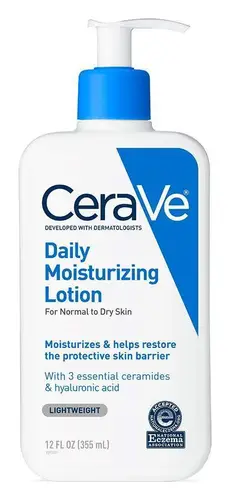
What's inside
What's inside
 Key Ingredients
No key ingredients
Benefits
Concerns
Ingredients Side-by-side
Water
Skin ConditioningEthylhexyl Palmitate
Emollient




Polyglyceryl-6 Distearate
Emulsifying
Cyclopentasiloxane
Emollient
Glycerin
Humectant


Butyrospermum Parkii Butter
Skin Conditioning
Caprylic/Capric Triglyceride
Masking
Aluminum Starch Octenylsuccinate
Absorbent
Dimethicone
Emollient
Butylene Glycol
Humectant
Jojoba Esters
Emollient
Caprylyl Glycol
Emollient
Cetyl Alcohol
Emollient
Polyglyceryl-3 Beeswax
Emulsifying
Potassium Cetyl Phosphate
EmulsifyingAcrylates/Vinyl Isodecanoate Crosspolymer
Emulsion StabilisingAcrylates/C10-30 Alkyl Acrylate Crosspolymer
Emulsion StabilisingAlteromonas Ferment Filtrate
HumectantLitchi Chinensis Pericarp Extract
Skin ConditioningCaprylhydroxamic Acid
ChelatingSodium Hydroxide
BufferingTrisodium Ethylenediamine Disuccinate
ChelatingWater, Ethylhexyl Palmitate, Polyglyceryl-6 Distearate, Cyclopentasiloxane, Glycerin, Butyrospermum Parkii Butter, Caprylic/Capric Triglyceride, Aluminum Starch Octenylsuccinate, Dimethicone, Butylene Glycol, Jojoba Esters, Caprylyl Glycol, Cetyl Alcohol, Polyglyceryl-3 Beeswax, Potassium Cetyl Phosphate, Acrylates/Vinyl Isodecanoate Crosspolymer, Acrylates/C10-30 Alkyl Acrylate Crosspolymer, Alteromonas Ferment Filtrate, Litchi Chinensis Pericarp Extract, Caprylhydroxamic Acid, Sodium Hydroxide, Trisodium Ethylenediamine Disuccinate
Colloidal Oatmeal 2%
Absorbent

Water
Skin ConditioningGlycerin
Humectant
Cetyl Alcohol
Emollient
Isopropyl Myristate
Emollient
Dimethicone
Emollient
Aluminum Starch Octenylsuccinate
Absorbent
Cetearyl Alcohol
Emollient
Ceteareth-20
Cleansing
Polysilicone-11
Butyrospermum Parkii Butter
Skin Conditioning
Distearyldimonium Chloride
Panthenol
Skin Conditioning
Allantoin
Skin Conditioning
1,2-Hexanediol
Skin Conditioning
Caprylyl Glycol
Emollient
Polyquaternium-10
Beeswax
Emulsion Stabilising
Caesalpinia Spinosa Gum
Skin ConditioningBisabolol
Antioxidant
Disodium EDTA
ChelatingZingiber Officinale Root Extract
Masking
Glyceryl Stearate
Emollient
PEG-100 Stearate
Surfactant
Laureth-4
Emulsifying
Laureth-23
Cleansing
Laureth-12
EmulsifyingPhenoxyethanol
Preservative
Ethylhexylglycerin
Skin ConditioningColloidal Oatmeal 2%, Water, Glycerin, Cetyl Alcohol, Isopropyl Myristate, Dimethicone, Aluminum Starch Octenylsuccinate, Cetearyl Alcohol, Ceteareth-20, Polysilicone-11, Butyrospermum Parkii Butter, Distearyldimonium Chloride, Panthenol, Allantoin, 1,2-Hexanediol, Caprylyl Glycol, Polyquaternium-10, Beeswax, Caesalpinia Spinosa Gum, Bisabolol, Disodium EDTA, Zingiber Officinale Root Extract, Glyceryl Stearate, PEG-100 Stearate, Laureth-4, Laureth-23, Laureth-12, Phenoxyethanol, Ethylhexylglycerin
Ingredients Explained
These ingredients are found in both products.
Ingredients higher up in an ingredient list are typically present in a larger amount.
Aluminum Starch Octenylsuccinate is a synthetic powder used as an absorbent, thickener, and anti-caking agent.
As an absorbent, it is great at mattifying skin by soaking up the oil. This is why you'll find it in a range of products from makeup to moisturizers.
This ingredient is considered a modified starch. Starch can also be found naturally in plants.
One study from 1991 found that 5% of this ingredient enhanced titanium dioxide SPF by as much as 40%. The study found 1% titanium dioxide had a 5.6 SPF and adding 5% of aluminum starch octenylsuccinate boosted it to an SPF of 8.1
Although “aluminum” in an ingredient name can raise red flags for some consumers, the form and usage context matter significantly. For typical topical applications, there is no substantial evidence of health risks - such as cancer, neurotoxicity, or systemic “aluminum overload.”
Learn more about Aluminum Starch OctenylsuccinateThis ingredient is also known as shea butter. It is a plant-derived extract from the nuts of the Africa shea tree and one of the most well-studied emollients.
Because it has a high concentration of fatty acids (primarily oleic, stearic, and linoleic) it is able to form a protective barrier on the skin's surface. This helps seal in moisture and prevents transepidermal water loss (TEWL).
In vitro research found an increase in skin hydration by 58% and a decrease in TEWL by 37.8% after 24 hours of applying this ingredient (pretty impressive for a single ingredient!).
Besides hydration, shea butter also contains triterpenes that have anti-inflammatory potential. In particule, lupeol cinnamate has shown the highest anti-inflammatory activity in vivo.
Shea butter also contains vitamins A and E which may contribute to antioxidant activity.
While Shea Butter has an SPF rating of about 3-4, it is not a sunscreen replacement.
This ingredient may not be fungal acne safe because its fatty acids fall within the C11-C24 range that the Malassezia yeast can metabolize.
This ingredient shows up on a lot of "pore-clogging" lists but there's no real evidence behind that. It doesn't even have a comedogenic rating from an actual study; the numbers you'll find online come from blogs citing other blogs.
Ratings for other ingredients mostly come from a 1980s rabbit ear test. This test doesn't translate well to human skin or to real products because the ingredient sits at a much lower percentage.
Some people still find it breaks them out. So if that's you, definitely trust your skin. Just know this one's based on experience and not evidence.
Learn more about Butyrospermum Parkii ButterCaprylyl Glycol is a humectant, skin conditioner, emollient, and preservative booster derived from either caprylic acid or synthetically created.
Typical use levels vary from 0.3-1% as a preservative booster and go up to 2% to condition skin.
Because it is not a free-fatty acid, this ingredient is fungal acne safe (there's nothing for Malassezia to feed on).
Learn more about Caprylyl GlycolCetyl Alcohol is a fatty alcohol. Fatty Alcohols are most often used as an emollient or to thicken a product.
Its main roles are:
Though it has "alcohol" in the name, it is not related to denatured alcohol or ethyl alcohol.
The FDA allows products labeled "alcohol-free" to have fatty alcohols.
This ingredient may not be fungal acne safe. It is a primary fatty alcohol with a chain length above 12 carbons. A study from 2019 show Malassezia can feed on fatty alcohols in this range, so it may trigger fungal acne in those prone to it.
Learn more about Cetyl AlcoholDimethicone is a type of synthetic silicone created from natural materials such as quartz. It is also known as polydimethylsiloxane.
What it does:
Dimethicone comes in different viscosities:
Depending on the viscosity, dimethicone has different properties.
Ingredients lists don't always show which type is used, so we recommend reaching out to the brand if you have questions about the viscosity.
This ingredient is unlikely to cause irritation because it does not get absorbed into skin. However, people with silicone allergies should be careful about using this ingredient.
Note: Dimethicone may contribute to pilling. This is because it is not oil or water soluble, so pilling may occur when layered with products. When mixed with heavy oils in a formula, the outcome is also quite greasy.
Learn more about DimethiconeGlycerin (or glycerol) is a compound naturally found in your skin. It's a powerhouse humectant that pulls water into the stratum corneum.
Topically, glycerin does several things at once:
Your skin makes glycerin on its own (mostly from sebaceous oil breakdown) and shuttles it to your outermost layer of skin, or your epidermis, via aquaporin-3.
Aquaporin-3 is a transporter that is essential for normal skin hydration, elasticity, and repair. Interestingly, mice lacking in AQP3 have dry and less elastic skin that can be fully corrected with glycerin.
This ingredient is non-irritating, plays well with almost every ingredient, and works across all skin types. Typical use is anywhere between 3-10% but can go up to 79% in some leave-on products.
Just know very high concentrations (>40%) can feel tacky in low humidity.
Glycerin is the name for this ingredient in American English. British English uses Glycerol/Glycerine.
Learn more about GlycerinWater. It's the most common cosmetic ingredient of all. You'll usually see it at the top of ingredient lists, meaning that it makes up the largest part of the product.
So why is it so popular? Water most often acts as a solvent - this means that it helps dissolve other ingredients into the formulation.
You'll also recognize water as that liquid we all need to stay alive. If you see this, drink a glass of water. Remember to stay hydrated!
Learn more about Water