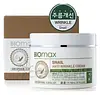
This anti-aging moisturizer is formulated around Adenosine and Niacinamide to soften the look of wrinkles.
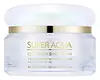
This brightening moisturizer is formulated around Snail Secretion Filtrate and Arbutin to fade the look of dark spots and calm redness.

What's inside
What's inside
 Key Ingredients
Benefits
Concerns
Ingredients Side-by-side
Achillea Millefolium Extract
CleansingAdenosine
Skin Conditioning


Alcohol
Antimicrobial




Allantoin
Skin Conditioning


Arnica Montana Flower Extract
Masking
Artemisia Absinthium Extract
Skin ConditioningButylene Glycol
Humectant
Cetearyl Alcohol
Emollient




Cyclopentasiloxane
Emollient
Dimethicone
Emollient
Gentiana Lutea Root Extract
Skin ConditioningGlycerin
Humectant
Glyceryl Stearate
Emollient
Pentaerythrityl Tetraethylhexanoate
Emollient
Niacinamide
Smoothing






Polysorbate 60
Emulsifying
PEG-100 Stearate
Surfactant
Palmitic Acid
Emollient
Stearic Acid
Cleansing
Sodium Polyacrylate
Absorbent
Sorbitan Stearate
Emulsifying
Sodium Acrylate/Sodium Acryloyldimethyl Taurate Copolymer
Emulsion StabilisingTuna Extract
Skin ConditioningDisodium EDTA
ChelatingPropylparaben
Preservative


Potassium Sorbate
Preservative
CI 15985
Cosmetic ColorantCI 19140
Cosmetic ColorantParfum
Masking
Achillea Millefolium Extract, Adenosine, Alcohol, Allantoin, Arnica Montana Flower Extract, Artemisia Absinthium Extract, Butylene Glycol, Cetearyl Alcohol, Cyclopentasiloxane, Dimethicone, Gentiana Lutea Root Extract, Glycerin, Glyceryl Stearate, Pentaerythrityl Tetraethylhexanoate, Niacinamide, Polysorbate 60, PEG-100 Stearate, Palmitic Acid, Stearic Acid, Sodium Polyacrylate, Sorbitan Stearate, Sodium Acrylate/Sodium Acryloyldimethyl Taurate Copolymer, Tuna Extract, Disodium EDTA, Propylparaben, Potassium Sorbate, CI 15985, CI 19140, Parfum
Snail Secretion Filtrate
Skin Conditioning
Dimethicone
Emollient
Glycerin
Humectant
Alcohol
Antimicrobial
Adansonia Digitata Seed Extract
Skin ConditioningArbutin
Antioxidant

Bis-PEG-18 Methyl Ether Dimethyl Silane
EmollientPEG-11 Methyl Ether Dimethicone
Emulsifying
Sea Water
HumectantEthylhexyl Isononanoate
EmollientHydroxyethyl Acrylate/Sodium Acryloyldimethyl Taurate Copolymer
Emulsion StabilisingPortulaca Oleracea Extract
Skin Conditioning
Carbomer
Emulsion StabilisingTriethanolamine
BufferingPEG-40 Hydrogenated Castor Oil
Emulsifying
PPG-26-Buteth-26
Skin ConditioningCaprylyl Glycol
Emollient
Parfum
Masking
Ethylhexylglycerin
Skin ConditioningTocopheryl Acetate
Antioxidant
Adenosine
Skin Conditioning
Disodium EDTA
ChelatingCentella Asiatica Meristem Cell Culture
Antioxidant
Xanthan Gum
EmulsifyingSnail Secretion Filtrate, Dimethicone, Glycerin, Alcohol, Adansonia Digitata Seed Extract, Arbutin, Bis-PEG-18 Methyl Ether Dimethyl Silane, PEG-11 Methyl Ether Dimethicone, Sea Water, Ethylhexyl Isononanoate, Hydroxyethyl Acrylate/Sodium Acryloyldimethyl Taurate Copolymer, Portulaca Oleracea Extract, Carbomer, Triethanolamine, PEG-40 Hydrogenated Castor Oil, PPG-26-Buteth-26, Caprylyl Glycol, Parfum, Ethylhexylglycerin, Tocopheryl Acetate, Adenosine, Disodium EDTA, Centella Asiatica Meristem Cell Culture, Xanthan Gum
Ingredients Explained
These ingredients are found in both products.
Ingredients higher up in an ingredient list are typically present in a larger amount.
Adenosine is a purine nucleoside that your body already makes in every cell. In skincare, it acts mainly as a skin conditioning and anti-aging agent.
The way it works is fairly well mapped out:
Your skin has cells called fibroblasts that build collagen (the stuff that keeps skin firm and smooth). Adenosine basically flips a switch on these cells that tells them to get to work making more collagen and other proteins. These cells slow down on their own as skin ages, so Adenosine helps give them a little nudge to keep going.
The clinical backing is pretty solid too.
A blind, randomized, placebo-controlled trial of 126 women aged 45-65 tested a 0.1% cream twice daily and found real improvements in crow's feet and frown lines using a precise 3D skin-mapping technique; these changes showed up by week 3 and held at 2 months.
A later study using Adenosine-loaded dissolving microneedle patches reported gains in wrinkle depth, dermal density, elasticity, and hydration.
On concentrations, South Korea's Ministry of Food and Drug Safety has set 0.04% as the approved functional anti-wrinkle level. You'll typically see this ingredient used somewhere in the 0.04-0.1% range since it works at low doses.
This ingredient has been found safe for cosmetics with the data showing no irritation or sensitization.
Overall, this is a great ingredient for any anti-aging routine and has no photosensitizing effect, so it suits both AM and PM use.
Learn more about AdenosineThis ingredient is also called ethanol or ethyl alcohol. It is denatured, meaning made undrinkable for cosmetic use.
In formulas, it:
Is it bad for your skin?
The answer comes down to concentration. Patch and wash studies have found highly concentrated alcohol-based hand rubs (60-100%) cause less barrier disruption than washing with a basic detergent like SLS. The only measurable effect in these studies was a temporary dip in skin hydration.
Concentrations below 12-15% in leave-on cosmetics is generally well-tolerated. Concentrations above start to see increased transepidermal water loss (TEWL) and reduced hydration.
In concentrations about 58%, it creates temporary channels in your skin's lipid layers to become more permeable and allow other ingredients to slip through easily.
This ingredient can be up to 80% of the formula in alcohol-based perfumes.
Overall, this ingredient is probably harmless if found lower down an ingredients list but worth side-eyeing if it's high up (especially if your barrier is already struggling).
Alcohol can worsen dry skin, eczema, and oily skin, especially at higher concentrations. This is because it can increase transepidermal water loss and decrease hydration to disrupt the skin barrier.
According to the National Rosacea Society based in the US, you should be mindful of products with these alcohols in the top half of ingredients.
True allergic contact dermatitis to ethanol is uncommon, but be sure to patch test if you have dry or sensitive skin.
Learn more about AlcoholDimethicone is a type of synthetic silicone created from natural materials such as quartz. It is also known as polydimethylsiloxane.
What it does:
Dimethicone comes in different viscosities:
Depending on the viscosity, dimethicone has different properties.
Ingredients lists don't always show which type is used, so we recommend reaching out to the brand if you have questions about the viscosity.
This ingredient is unlikely to cause irritation because it does not get absorbed into skin. However, people with silicone allergies should be careful about using this ingredient.
Note: Dimethicone may contribute to pilling. This is because it is not oil or water soluble, so pilling may occur when layered with products. When mixed with heavy oils in a formula, the outcome is also quite greasy.
Learn more about DimethiconeDisodium EDTA is a chelating agent. It grabs onto and deactivates metal ions that sneak into your products from water, packaging, or air.
This ingredient mainly works behind the scenes and helps with:
On top of that, this ingredient can counteract the effects of hard water by binding to the minerals in it.
One thing worth knowing is that Disodium EDTA has been shown to be a mild penetration enhancer. It can help other ingredients absorb into skin more effectively which can be a double-edged sword (great for actives, but can also make the active too strong if you have sensitive skin).
Clinical patch testing showed no significant skin irritation at typical use concentrations and minimal dermal absorption.
You'll most likely see this ingredient near the end of an ingredient list. It's typically found in concentrations less than 1%.
Learn more about Disodium EDTAGlycerin (or glycerol) is a compound naturally found in your skin. It's a powerhouse humectant that pulls water into the stratum corneum.
Topically, glycerin does several things at once:
Your skin makes glycerin on its own (mostly from sebaceous oil breakdown) and shuttles it to your outermost layer of skin, or your epidermis, via aquaporin-3.
Aquaporin-3 is a transporter that is essential for normal skin hydration, elasticity, and repair. Interestingly, mice lacking in AQP3 have dry and less elastic skin that can be fully corrected with glycerin.
This ingredient is non-irritating, plays well with almost every ingredient, and works across all skin types. Typical use is anywhere between 3-10% but can go up to 79% in some leave-on products.
Just know very high concentrations (>40%) can feel tacky in low humidity.
Glycerin is the name for this ingredient in American English. British English uses Glycerol/Glycerine.
Learn more about GlycerinParfum is a catch-all term for an ingredient or more that is used to give a scent to products.
Also called "fragrance", this ingredient can be a blend of hundreds of chemicals or plant oils. This means every product with "fragrance" or "parfum" in the ingredients list is a different mixture.
For instance, Habanolide is a proprietary trade name for a specific aroma chemical. When used as a fragrance ingredient in cosmetics, most aroma chemicals fall under the broad labeling category of “FRAGRANCE” or “PARFUM” according to EU and US regulations.
The term 'parfum' or 'fragrance' is not regulated in many countries. In many cases, it is up to the brand to define this term.
For instance, many brands choose to label themselves as "fragrance-free" because they are not using synthetic fragrances. However, their products may still contain ingredients such as essential oils that are considered a fragrance by INCI standards.
One example is Calendula flower extract. Calendula is an essential oil that still imparts a scent or 'fragrance'.
Depending on the blend, the ingredients in the mixture can cause allergies and sensitivities on the skin. Some ingredients that are known EU allergens include linalool and citronellol.
Parfum can also be used to mask or cover an unpleasant scent.
The bottom line is: not all fragrances/parfum/ingredients are created equally. If you are worried about fragrances, we recommend taking a closer look at an ingredient. And of course, we always recommend speaking with a professional.
Learn more about Parfum

