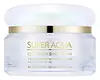
This brightening moisturizer is formulated around Snail Secretion Filtrate and Arbutin to fade the look of dark spots and calm redness.
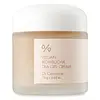
This barrier-repair moisturizer is formulated around Niacinamide and Camellia Sinensis Leaf Extract to strengthen the skin barrier and hydrate skin.

What's inside
What's inside
 Key Ingredients
Benefits
Concerns
Ingredients Side-by-side
Snail Secretion Filtrate
Skin Conditioning





Dimethicone
Emollient
Glycerin
Humectant
Alcohol
Antimicrobial




Adansonia Digitata Seed Extract
Skin ConditioningArbutin
Antioxidant



Bis-PEG-18 Methyl Ether Dimethyl Silane
EmollientPEG-11 Methyl Ether Dimethicone
Emulsifying
Sea Water
HumectantEthylhexyl Isononanoate
EmollientHydroxyethyl Acrylate/Sodium Acryloyldimethyl Taurate Copolymer
Emulsion StabilisingPortulaca Oleracea Extract
Skin Conditioning
Carbomer
Emulsion StabilisingTriethanolamine
BufferingPEG-40 Hydrogenated Castor Oil
Emulsifying

PPG-26-Buteth-26
Skin ConditioningCaprylyl Glycol
Emollient
Parfum
Masking

Ethylhexylglycerin
Skin ConditioningTocopheryl Acetate
Antioxidant
Adenosine
Skin Conditioning
Disodium EDTA
ChelatingCentella Asiatica Meristem Cell Culture
Antioxidant
Xanthan Gum
EmulsifyingSnail Secretion Filtrate, Dimethicone, Glycerin, Alcohol, Adansonia Digitata Seed Extract, Arbutin, Bis-PEG-18 Methyl Ether Dimethyl Silane, PEG-11 Methyl Ether Dimethicone, Sea Water, Ethylhexyl Isononanoate, Hydroxyethyl Acrylate/Sodium Acryloyldimethyl Taurate Copolymer, Portulaca Oleracea Extract, Carbomer, Triethanolamine, PEG-40 Hydrogenated Castor Oil, PPG-26-Buteth-26, Caprylyl Glycol, Parfum, Ethylhexylglycerin, Tocopheryl Acetate, Adenosine, Disodium EDTA, Centella Asiatica Meristem Cell Culture, Xanthan Gum
Water
Skin ConditioningGlycerin
Humectant
Methylpropanediol
Solvent1,2-Hexanediol
Skin Conditioning
Dicaprylyl Ether
Emollient
Glycereth-26
Humectant
Niacinamide
Smoothing




Butylene Glycol
Humectant
Dipropylene Glycol
HumectantCamellia Sinensis Leaf Extract
Antimicrobial
Saccharomyces Ferment Filtrate
Humectant
Eclipta Prostrata Leaf Extract
Skin ConditioningLaminaria Japonica Extract
Skin Protecting
Hydroxyacetophenone
Antioxidant
Camellia Sinensis Leaf Water
Masking
Polyquaternium-51
Skin Conditioning
Helianthus Annuus Seed Oil Unsaponifiables
Emollient
Ethylhexylglycerin
Skin ConditioningFructooligosaccharides
Humectant
Beta-Glucan
Skin Conditioning
Hydrogenated Lecithin
Emulsifying
Carbomer
Emulsion StabilisingTheobroma Cacao Seed Extract
Antioxidant
Dextrin
AbsorbentPhellinus Linteus Extract
Skin ConditioningArctium Lappa Root Extract
Skin Conditioning
Ammonium Acryloyldimethyltaurate/Vp Copolymer
Xanthan Gum
EmulsifyingTromethamine
BufferingHydrolyzed Hyaluronic Acid
Humectant
Schisandra Chinensis Fruit Extract
Skin Conditioning
Rosmarinus Officinalis Leaf Oil
Masking
Tocopherol
Antioxidant
Water, Glycerin, Methylpropanediol, 1,2-Hexanediol, Dicaprylyl Ether, Glycereth-26, Niacinamide, Butylene Glycol, Dipropylene Glycol, Camellia Sinensis Leaf Extract, Saccharomyces Ferment Filtrate, Eclipta Prostrata Leaf Extract, Laminaria Japonica Extract, Hydroxyacetophenone, Camellia Sinensis Leaf Water, Polyquaternium-51, Helianthus Annuus Seed Oil Unsaponifiables, Ethylhexylglycerin, Fructooligosaccharides, Beta-Glucan, Hydrogenated Lecithin, Carbomer, Theobroma Cacao Seed Extract, Dextrin, Phellinus Linteus Extract, Arctium Lappa Root Extract, Ammonium Acryloyldimethyltaurate/Vp Copolymer, Xanthan Gum, Tromethamine, Hydrolyzed Hyaluronic Acid, Schisandra Chinensis Fruit Extract, Rosmarinus Officinalis Leaf Oil, Tocopherol
Reviews
Ingredients Explained
These ingredients are found in both products.
Ingredients higher up in an ingredient list are typically present in a larger amount.
Carbomer is a synthetic thickening and gelling agent. It's basically the ingredient that gives a lot of serums, gels, creams, and sunscreens their smooth, non-sticky texture.
Although legally permitted at very high levels, carbomers are normally used at concentrations below 1%.
It also needs to be neutralized to actually thicken, and because it is a large molecule, it doesn't really penetrate the skin barrier.
Allergy-wise, the risk is very low. Clinical studies show carbomers have low potential for skin irritation/sensitization even at concentrations up to 100%.
A 2024 UK study patch-tested 1,302 patients and found true allergy to the parent group of carbomer to be rare with no confirmed relevant reactions.
Learn more about CarbomerEthylhexylglycerin is created from glycerin. It is a multitasker ingredient that:
The CIR Expert Panel found minimal skin absorption or sensitization of any kind in a safety assessment. Though this ingredient is considered well-tolerated, a small number of cases of allergic dermatitis have been published since 2002. Just be sure to patch test if you are unsure.
Industry-reported use ranges from 8% in rinse-off products and 2% in leave-on formulations.
Learn more about EthylhexylglycerinGlycerin (or glycerol) is a compound naturally found in your skin. It's a powerhouse humectant that pulls water into the stratum corneum.
Topically, glycerin does several things at once:
Your skin makes glycerin on its own (mostly from sebaceous oil breakdown) and shuttles it to your outermost layer of skin, or your epidermis, via aquaporin-3.
Aquaporin-3 is a transporter that is essential for normal skin hydration, elasticity, and repair. Interestingly, mice lacking in AQP3 have dry and less elastic skin that can be fully corrected with glycerin.
This ingredient is non-irritating, plays well with almost every ingredient, and works across all skin types. Typical use is anywhere between 3-10% but can go up to 79% in some leave-on products.
Just know very high concentrations (>40%) can feel tacky in low humidity.
Glycerin is the name for this ingredient in American English. British English uses Glycerol/Glycerine.
Learn more about GlycerinXanthan gum is used as a stabilizer and thickener within cosmetic products. It helps give products a sticky, thick feeling - preventing them from being too runny.
On the technical side of things, xanthan gum is a polysaccharide - a combination consisting of multiple sugar molecules bonded together.
Xanthan gum is a pretty common and great ingredient. It is a natural, non-toxic, non-irritating ingredient that is also commonly used in food products.
Learn more about Xanthan Gum

