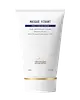
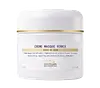
Biologique Recherche Masque Vivant Rebalancing Face Mask Versus Biologique Recherche Crème Masque Vernix Revitalizing, Regenerating and Protective Cream/Mask for the Face
This barrier-repair moisturizer is formulated around Lecithin and Ceramide NP to strengthen the skin barrier and hydrate skin.

What's inside
What's inside
 Key Ingredients
Benefits
Concerns
Ingredients Side-by-side
Yeast Extract
Skin ConditioningWater
Skin ConditioningPropylene Glycol
Humectant


Bentonite
Absorbent


Kaolin
Abrasive

Alcohol Denat.
Antimicrobial


Cucumis Sativus Fruit Extract
Emollient
Glycerin
Humectant

Vinegar
Lactic Acid
Buffering




Hamamelis Virginiana Bark/Leaf/Twig Extract
Skin Conditioning
Hypericum Perforatum Flower/Leaf/Stem Extract
Skin ConditioningAcacia Senegal Gum
MaskingXanthan Gum
EmulsifyingWater
Skin ConditioningAmniotic Fluid
MoisturisingLecithin
Emollient
Lanolin Oil
Emollient


Propylene Glycol
Humectant
Pentylene Glycol
Skin Conditioning
Sodium Acrylates Copolymer
Glycerin
Humectant
Alcohol Denat.
Antimicrobial
Ethylhexyl Palmitate
Emollient
Squalane
Emollient
Raspberry Seed Oil/Palm Oil Aminopropanediol Esters
Skin Conditioning
Hydrolyzed Placental Protein
Skin ConditioningHydrolyzed Gelatin
Skin ConditioningYeast Extract
Skin ConditioningHydrolyzed Ceratonia Siliqua Seed Extract
Skin ConditioningPhenoxyethanol
Preservative
Sodium Lauroyl Lactylate
EmulsifyingSodium Dehydroacetate
Preservative
Luffa Cylindrica Seed Oil
Skin Conditioning
Tocopherol
Antioxidant

Dimethylmethoxy Chromanol
Antioxidant
Embryo Extract
MoisturisingHelianthus Annuus Seed Oil
Emollient
Ethylhexylglycerin
Skin ConditioningCeramide NP
Skin Conditioning
Cholesterol
Emollient
Potassium Sulfate

Ceramide AP
Skin Conditioning
Phytosphingosine
Skin Conditioning
Papain
Skin Conditioning
Xanthan Gum
EmulsifyingCarbomer
Emulsion StabilisingCaprylyl Glycol
Emollient
Diaminopropionoyl Tripeptide-33
Skin Conditioning
Ceramide EOP
Skin Conditioning
Water, Amniotic Fluid, Lecithin, Lanolin Oil, Propylene Glycol, Pentylene Glycol, Sodium Acrylates Copolymer, Glycerin, Alcohol Denat., Ethylhexyl Palmitate, Squalane, Raspberry Seed Oil/Palm Oil Aminopropanediol Esters, Hydrolyzed Placental Protein, Hydrolyzed Gelatin, Yeast Extract, Hydrolyzed Ceratonia Siliqua Seed Extract, Phenoxyethanol, Sodium Lauroyl Lactylate, Sodium Dehydroacetate, Luffa Cylindrica Seed Oil, Tocopherol, Dimethylmethoxy Chromanol, Embryo Extract, Helianthus Annuus Seed Oil, Ethylhexylglycerin, Ceramide NP, Cholesterol, Potassium Sulfate, Ceramide AP, Phytosphingosine, Papain, Xanthan Gum, Carbomer, Caprylyl Glycol, Diaminopropionoyl Tripeptide-33, Ceramide EOP
Reviews
Ingredients Explained
These ingredients are found in both products.
Ingredients higher up in an ingredient list are typically present in a larger amount.
Alcohol Denat. is an alcohol with a denaturant property. It is created by mixing ethanol with other additives.
The "denat" part just means "denatured"; common denaturants include Denatonium Benzoate, t-butyl alcohol, and Diethyl Phthalate. This step makes the alcohol undrinkable (and lets brand skip taxes related to beverage alcohol).
This ingredient gets a bad rep because it is irritating and drying due to its astringent property. Astringents draw out natural oils in tissue to constrict pores and dry out your skin.
However, alcohol denat. is not all that bad.
Due to its low molecular weight, alcohol denat. tends to evaporate quickly. One study on pig skin found half of applied alcohol evaporated in 10 seconds and less than 3% stayed on skin.
This also helps other ingredients become better absorbed upon application.
Studies are conflicted about whether this ingredient causes skin dehydration. One study from 2005 found adding emollients to propanol-based sanitizer decreased skin dryness and irritation. Another study found irritation only occurs if your skin is already damaged.
Small amounts of alcohol are generally tolerated by oily skin or people who live in humid environments.
The rule of thumb is this ingredient will probably not affect your skin much if it is near the end of an ingredients list.
One thing to note:
People with ALDH2 (aldehyde dehydrogenase 2) deficiency may experience skin irritation from continued alcohol use. About 8% of the world's population have this deficiency.
The Cosmetic Ingredient Review Expert Panel has determined denatured alcohols to be safe for use in concentrations between 0.05% and 12% (depending on which denaturant is used).
Also...
This ingredient has antimicrobial and solvent properties.
The antimicrobial property helps preserve products and increase their shelf life. As a solvent, it helps dissolve other ingredients.
Look for formulas that contain glycerin, hyaluronic acid, or panthenol if you want to offset any drying effect.
This ingredient will trip away your skin's natural oils/lipids that help it lock in moisture. This can worsen dryness, trigger eczema flare-ups, and aggravate rosacea.
Be sure to patch test any product with this ingredient if you have dry or sensitive skin, eczema, or rosacea.
Learn more about Alcohol Denat.Glycerin (or glycerol) is a compound naturally found in your skin. It's a powerhouse humectant that pulls water into the stratum corneum.
Topically, glycerin does several things at once:
Your skin makes glycerin on its own (mostly from sebaceous oil breakdown) and shuttles it to your outermost layer of skin, or your epidermis, via aquaporin-3.
Aquaporin-3 is a transporter that is essential for normal skin hydration, elasticity, and repair. Interestingly, mice lacking in AQP3 have dry and less elastic skin that can be fully corrected with glycerin.
This ingredient is non-irritating, plays well with almost every ingredient, and works across all skin types. Typical use is anywhere between 3-10% but can go up to 79% in some leave-on products.
Just know very high concentrations (>40%) can feel tacky in low humidity.
Glycerin is the name for this ingredient in American English. British English uses Glycerol/Glycerine.
Learn more about GlycerinPropylene Glycol is a synthetic, colorless, odorless liquid that has been a staple in cosmetics for decades. It is a skin conditioning agent, humectant, and solvent.
As a humectant, it draw water to the skin to reduce flaking and restore suppleness. It's also a solvent that helps dissolve other actives and keeps formulas stable across temperature changes.
The CIR Expert Panel has confirmed this ingredient to be nontoxic and clinical studies show no sensitization at cosmetic use concentrations.
True allergic reactions are quite rare: a 15-year retrospective study of 6,751 patients found only 0.31% had a positive reaction (and less than half were considered clinically relevant).
It seemed that when sensitization does occur, it's most commonly linked to topical medication (like corticosteroids) and not cosmetics. Allergic contact dermatitis also appears largely limited to individuals with underlying skin conditions.
Overall, propylene glycol is a well-studied ingredient that most people can tolerate without issue.
Learn more about Propylene GlycolWater. It's the most common cosmetic ingredient of all. You'll usually see it at the top of ingredient lists, meaning that it makes up the largest part of the product.
So why is it so popular? Water most often acts as a solvent - this means that it helps dissolve other ingredients into the formulation.
You'll also recognize water as that liquid we all need to stay alive. If you see this, drink a glass of water. Remember to stay hydrated!
Learn more about WaterXanthan gum is used as a stabilizer and thickener within cosmetic products. It helps give products a sticky, thick feeling - preventing them from being too runny.
On the technical side of things, xanthan gum is a polysaccharide - a combination consisting of multiple sugar molecules bonded together.
Xanthan gum is a pretty common and great ingredient. It is a natural, non-toxic, non-irritating ingredient that is also commonly used in food products.
Learn more about Xanthan GumYeast extract is a silky, clear liquid derived from yeast (usually Saccharomyces cerevisiae or Torula yeast).
This ingredient has plenty of skin benefits:
Bioferments of yeast and soy have been found to reduce hyperpigmentation at low levels.
Yeast extract is fungal acne safe because it's made up of amino acids, peptides, B vitamins, and nucleotides (not the C11-C24 fatty acids that Malassezia needs to thrive).
The "yeast" in the name can be misleading, but FA safety is about chemical composition and not ingredient origin.
Learn more about Yeast Extract

