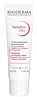
This calming treatment is formulated around Glycyrrhetinic Acid and Piroctone Olamine to calm redness.
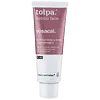
This barrier-repair moisturizer is formulated around Butyrospermum Parkii Butter and Caprylic/Capric Triglyceride to strengthen the skin barrier and hydrate skin.


What's inside
What's inside
 Benefits
Concerns
Ingredients Side-by-side
Water
Skin ConditioningCocos Nucifera Oil
Masking








Propylene Glycol
Humectant
Caprylic/Capric Triglyceride
Masking
Dimethicone
Emollient

Glycyrrhetinic Acid
Skin Conditioning
Sorbitan Sesquioleate
Emulsifying
Piroctone Olamine
Preservative
Glyceryl Undecylenate
Emollient
Climbazole
Antimicrobial
Mannitol
Humectant
Xylitol
Humectant
Rhamnose
HumectantFructooligosaccharides
Humectant
Laminaria Ochroleuca Extract
Skin Conditioning
Cetyl Alcohol
Emollient
Carbomer
Emulsion StabilisingSclerotium Gum
Emulsion StabilisingSodium Hydroxide
BufferingPhenoxyethanol
Preservative
Water, Cocos Nucifera Oil, Propylene Glycol, Caprylic/Capric Triglyceride, Dimethicone, Glycyrrhetinic Acid, Sorbitan Sesquioleate, Piroctone Olamine, Glyceryl Undecylenate, Climbazole, Mannitol, Xylitol, Rhamnose, Fructooligosaccharides, Laminaria Ochroleuca Extract, Cetyl Alcohol, Carbomer, Sclerotium Gum, Sodium Hydroxide, Phenoxyethanol
Water
Skin ConditioningC12-15 Alkyl Benzoate
AntimicrobialGlycerin
Humectant
Cetearyl Alcohol
Emollient
Butyrospermum Parkii Butter
Skin Conditioning
Caprylic/Capric Triglyceride
Masking
Hexyldecanol
Emollient
Peat Extract
Skin ConditioningCeteareth-20
Cleansing
Parfum
Masking

Sea Water
HumectantSodium Polyacrylate
Absorbent
Cucurbita Pepo Seed Extract
Skin ConditioningHibiscus Esculentus Seed Extract
Skin ConditioningSophora Japonica Flower Extract
Skin ProtectingHedera Helix Extract
AntimicrobialArnica Montana Flower Extract
Masking
Hamamelis Virginiana Extract
Antiseborrhoeic
Hypericum Perforatum Flower Extract
Skin ConditioningAesculus Hippocastanum Seed Extract
Skin ConditioningVitis Vinifera Leaf Extract
Skin ConditioningArgania Spinosa Kernel Extract
Skin ConditioningHydrolyzed Soy Protein
Humectant
Isohexadecane
EmollientTetrasodium EDTA
ChelatingPropylene Glycol
Humectant
Sodium Cocoyl Glutamate
Cleansing
Potassium Phosphate
BufferingCarbomer
Emulsion StabilisingSodium Hydroxide
BufferingSodium Acrylate/Sodium Acryloyldimethyl Taurate Copolymer
Emulsion StabilisingPolysorbate 80
Emulsifying
Sorbitan Oleate
Emulsifying
Citric Acid
Buffering

Caprylyl Glycol
Emollient
Phenoxyethanol
Preservative
Potassium Sorbate
Preservative
Sodium Benzoate
Masking
Methylpropanediol
SolventBenzoic Acid
Masking
Water, C12-15 Alkyl Benzoate, Glycerin, Cetearyl Alcohol, Butyrospermum Parkii Butter, Caprylic/Capric Triglyceride, Hexyldecanol, Peat Extract, Ceteareth-20, Parfum, Sea Water, Sodium Polyacrylate, Cucurbita Pepo Seed Extract, Hibiscus Esculentus Seed Extract, Sophora Japonica Flower Extract, Hedera Helix Extract, Arnica Montana Flower Extract, Hamamelis Virginiana Extract, Hypericum Perforatum Flower Extract, Aesculus Hippocastanum Seed Extract, Vitis Vinifera Leaf Extract, Argania Spinosa Kernel Extract, Hydrolyzed Soy Protein, Isohexadecane, Tetrasodium EDTA, Propylene Glycol, Sodium Cocoyl Glutamate, Potassium Phosphate, Carbomer, Sodium Hydroxide, Sodium Acrylate/Sodium Acryloyldimethyl Taurate Copolymer, Polysorbate 80, Sorbitan Oleate, Citric Acid, Caprylyl Glycol, Phenoxyethanol, Potassium Sorbate, Sodium Benzoate, Methylpropanediol, Benzoic Acid
Reviews
Ingredients Explained
These ingredients are found in both products.
Ingredients higher up in an ingredient list are typically present in a larger amount.
Caprylic/Capric Triglyceride (aka MCT Oil) is a lightweight emollient, solvent, and texture enhancer. It is considered a skin-softener by helping to prevent moisture loss.
Though it behaves like an oil, it is not technically one due to its chemical composition. One perk of this ingredient is that it is very stable, resistant to oxidation, and unlikely to go rancid.
In practice, that translates to a long shelf life and a consistently elegant skin feel.
While there is an assumption Caprylic Triglyceride can clog pores due to it being derived from coconut oil, there is no research supporting this. Just patch test if you have concerns.
Fractionated coconut oil and MCT Oil are both listed as Caprylic/Capric Triglyceride according to INCI. This is because INCI names are based on the ingredient’s final chemical composition and not its marketing name or source.
This ingredient is treated as the gold standard fungal acne safe oil. Even though it is coconut derived, the problematic lauric acid is stripped out.
This leaves just caprylic (C8) and capric (C10) acid. These chain lengths actually trend antifungal; a 2020 study found caprylic acid was enough to disrupt Malassezia furfur cell membrane, with a caprylic acid derivative damaging membrane structures at concentrations as low as 0.2%.
Learn more about Caprylic/Capric TriglycerideCarbomer is a synthetic thickening and gelling agent. It's basically the ingredient that gives a lot of serums, gels, creams, and sunscreens their smooth, non-sticky texture.
Although legally permitted at very high levels, carbomers are normally used at concentrations below 1%.
It also needs to be neutralized to actually thicken, and because it is a large molecule, it doesn't really penetrate the skin barrier.
Allergy-wise, the risk is very low. Clinical studies show carbomers have low potential for skin irritation/sensitization even at concentrations up to 100%.
A 2024 UK study patch-tested 1,302 patients and found true allergy to the parent group of carbomer to be rare with no confirmed relevant reactions.
Learn more about CarbomerPhenoxyethanol is one of the most widely used preservatives in skincare (and for good reason!).
It has a large spectrum of antimicrobial activity and especially effective bacteria, yeast, and mold while only having a weak effect on your skin's natural microbiome.
On a cellular level, it disrupts the cell membranes of microbes by poking holes that make the cell leak. This shuts down the chemical reactions the microbe needs to make energy so it can no longer survive.
Another perk of this ingredient is that it stays functional across a wide pH range (3-10).
You'll often see it paired with boosters like Ethylhexylglycerin; one study showed that a 1:9 ratio of Ethylhexylglycerin to Phenoxyethanol damages bacterial membranes as effectively as doubling the Phenoxyethanol concentration on its own.
Typical use concentrations range from 0.3-1% depending on the formula, and this ingredient is capped at 1% int the EU.
Safety-wise, the fear mongering does not hold up to the evidence. The EU's Scientific Committee on Consumer Safety and FDA consider it safe as a preservative at up to 1%, including for children of all ages.
Adverse systemic effects only showed up in animal studies at exposures roughly 200x higher than what people get from cosmetics. And despite its very widespread use, this ingredient is a rare sensitizer and allergic reactions are uncommon.
Learn more about PhenoxyethanolPropylene Glycol is a synthetic, colorless, odorless liquid that has been a staple in cosmetics for decades. It is a skin conditioning agent, humectant, and solvent.
As a humectant, it draw water to the skin to reduce flaking and restore suppleness. It's also a solvent that helps dissolve other actives and keeps formulas stable across temperature changes.
The CIR Expert Panel has confirmed this ingredient to be nontoxic and clinical studies show no sensitization at cosmetic use concentrations.
True allergic reactions are quite rare: a 15-year retrospective study of 6,751 patients found only 0.31% had a positive reaction (and less than half were considered clinically relevant).
It seemed that when sensitization does occur, it's most commonly linked to topical medication (like corticosteroids) and not cosmetics. Allergic contact dermatitis also appears largely limited to individuals with underlying skin conditions.
Overall, propylene glycol is a well-studied ingredient that most people can tolerate without issue.
Learn more about Propylene GlycolSodium Hydroxide is also known as lye or caustic soda. It is used to adjust the pH of products; many ingredients require a specific pH to be effective.
In small amounts, sodium hydroxide is considered safe to use. However, large amounts may cause chemical burns due to its high alkaline.
Your skin has a natural pH and acid mantle. This acid mantle helps prevent harmful bacteria from breaking through. The acid mantle also helps keep your skin hydrated.
"Alkaline" refers to a high pH level. A low pH level would be considered acidic.
Learn more about Sodium HydroxideWater. It's the most common cosmetic ingredient of all. You'll usually see it at the top of ingredient lists, meaning that it makes up the largest part of the product.
So why is it so popular? Water most often acts as a solvent - this means that it helps dissolve other ingredients into the formulation.
You'll also recognize water as that liquid we all need to stay alive. If you see this, drink a glass of water. Remember to stay hydrated!
Learn more about Water

