
What's inside
What's inside
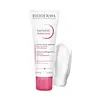 Key Ingredients
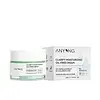
Benefits
Concerns
Ingredients Side-by-side
Water
Skin ConditioningGlycerin
Humectant


Dicaprylyl Ether
Emollient
Propylheptyl Caprylate
EmollientButylene Glycol
Humectant
Glyceryl Stearate Citrate
Emollient
Glycol Palmitate
Emulsifying
Squalane
Emollient
Sucrose Stearate
EmollientMangifera Indica Seed Butter
Skin Conditioning
Pentylene Glycol
Skin Conditioning
Acrylates/C10-30 Alkyl Acrylate Crosspolymer
Emulsion StabilisingCaprylyl Glycol
Emollient
Carnosine
Skin Conditioning
Hydroxyethyl Acrylate/Sodium Acryloyldimethyl Taurate Copolymer
Emulsion StabilisingMannitol
Humectant
Xylitol
Humectant
Tocopherol
Antioxidant




Salvia Miltiorrhiza Flower/Leaf/Root Extract
Skin ConditioningRhamnose
HumectantGlycine Soja Oil
Emollient



Polysorbate 60
Emulsifying
Sorbitan Isostearate
Emulsifying
Palmitoyl Tetrapeptide-10
Skin Conditioning
Water, Glycerin, Dicaprylyl Ether, Propylheptyl Caprylate, Butylene Glycol, Glyceryl Stearate Citrate, Glycol Palmitate, Squalane, Sucrose Stearate, Mangifera Indica Seed Butter, Pentylene Glycol, Acrylates/C10-30 Alkyl Acrylate Crosspolymer, Caprylyl Glycol, Carnosine, Hydroxyethyl Acrylate/Sodium Acryloyldimethyl Taurate Copolymer, Mannitol, Xylitol, Tocopherol, Salvia Miltiorrhiza Flower/Leaf/Root Extract, Rhamnose, Glycine Soja Oil, Polysorbate 60, Sorbitan Isostearate, Palmitoyl Tetrapeptide-10
Water
Skin ConditioningCentella Asiatica Leaf Extract
Skin Conditioning
Bacillus
Skin ConditioningNiacinamide
Smoothing




Sodium Hyaluronate
Humectant
Capryloyl Salicylic Acid
Exfoliating
Butylene Glycol
Humectant
Propylene Glycol
Humectant

Aloe Barbadensis Leaf Juice
Skin Conditioning
Ectoin
Skin Conditioning
Glycerin
Humectant
Salix Alba Bark Extract
Astringent
Ginkgo Biloba Leaf Extract
Skin Conditioning
Inulin
Skin Conditioning
Fructose
Humectant
Allantoin
Skin Conditioning
Madecassic Acid
Skin Conditioning
Asiaticoside
Antioxidant
Asiatic Acid
Skin Conditioning
Panthenol
Skin Conditioning
Sodium PCA
Humectant
Sorbitol
Humectant
Spirulina Platensis Extract
Skin ProtectingPotassium Sorbate
Preservative
Acrylates/C10-30 Alkyl Acrylate Crosspolymer
Emulsion Stabilising1,2-Hexanediol
Skin Conditioning
Caprylyl Glycol
Emollient
Pentylene Glycol
Skin Conditioning
Ethylhexylglycerin
Skin ConditioningWater, Centella Asiatica Leaf Extract, Bacillus, Niacinamide, Sodium Hyaluronate, Capryloyl Salicylic Acid, Butylene Glycol, Propylene Glycol, Aloe Barbadensis Leaf Juice, Ectoin, Glycerin, Salix Alba Bark Extract, Ginkgo Biloba Leaf Extract, Inulin, Fructose, Allantoin, Madecassic Acid, Asiaticoside, Asiatic Acid, Panthenol, Sodium PCA, Sorbitol, Spirulina Platensis Extract, Potassium Sorbate, Acrylates/C10-30 Alkyl Acrylate Crosspolymer, 1,2-Hexanediol, Caprylyl Glycol, Pentylene Glycol, Ethylhexylglycerin
Reviews
Ingredients Explained
These ingredients are found in both products.
Ingredients higher up in an ingredient list are typically present in a larger amount.
Acrylates/C10-30 Alkyl Acrylate Crosspolymer is a synthetic polymer. It is used to thicken, emulsify, and improve the texture of products.
As an emulsifier, it helps stabilize oil-in-water emulsions to give products an elegant feel when applied.
It can also form a thin protective film on skin. One study found that a formula using this polymer helped slow down how quickly other ingredients (like DEET) were absorbed through skin.
A 2024 study of over 1,300 patients confirmed that sensitization to this ingredient is rare. It is also non-mutagenic and has a clean track record.
Learn more about Acrylates/C10-30 Alkyl Acrylate CrosspolymerButylene Glycol (or BG) is used within cosmetic products for a few different reasons:
Overall, Butylene Glycol is a safe and well-rounded ingredient that works well with other ingredients.
Though this ingredient works well with most skin types, some people with sensitive skin may experience a reaction such as allergic rashes, closed comedones, or itchiness.
Learn more about Butylene GlycolCaprylyl Glycol is a humectant, skin conditioner, emollient, and preservative booster derived from either caprylic acid or synthetically created.
Typical use levels vary from 0.3-1% as a preservative booster and go up to 2% to condition skin.
Because it is not a free-fatty acid or alcohol, this ingredient is fungal acne safe (there's nothing for Malassezia to feed on).
Learn more about Caprylyl GlycolGlycerin (or glycerol) is a compound naturally found in your skin. It's a powerhouse humectant that pulls water into the stratum corneum.
Topically, glycerin does several things at once:
Your skin makes glycerin on its own (mostly from sebaceous oil breakdown) and shuttles it to your outermost layer of skin, or your epidermis, via aquaporin-3.
Aquaporin-3 is a transporter that is essential for normal skin hydration, elasticity, and repair. Interestingly, mice lacking in AQP3 have dry and less elastic skin that can be fully corrected with glycerin.
This ingredient is non-irritating, plays well with almost every ingredient, and works across all skin types. Typical use is anywhere between 3-10% but can go up to 79% in some leave-on products.
Just know very high concentrations (>40%) can feel tacky in low humidity.
Glycerin is the name for this ingredient in American English. British English uses Glycerol/Glycerine.
Learn more about GlycerinPentylene glycol is typically used within a product to thicken it. It also adds a smooth, soft, and moisturizing feel to the product. It is naturally found in plants such as sugar beets.
The hydrophilic trait of Pentylene Glycol makes it a humectant. As a humectant, Pentylene Glycol helps draw moisture from the air to your skin. This can help keep your skin hydrated.
This property also makes Pentylene Glycol a great texture enhancer. It can also help thicken or stabilize a product.
Pentylene Glycol also acts as a mild preservative and helps to keep a product microbe-free.
Some people may experience mild eye and skin irritation from Pentylene Glycol. We always recommend speaking with a professional about using this ingredient in your routine.
Pentylene Glycol has a low molecular weight and is part of the 1,2-glycol family.
Learn more about Pentylene GlycolWater. It's the most common cosmetic ingredient of all. You'll usually see it at the top of ingredient lists, meaning that it makes up the largest part of the product.
So why is it so popular? Water most often acts as a solvent - this means that it helps dissolve other ingredients into the formulation.
You'll also recognize water as that liquid we all need to stay alive. If you see this, drink a glass of water. Remember to stay hydrated!
Learn more about Water
