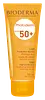
This chemical sunscreen covers the full UV range and blocks ~98% of UVB at SPF 50.
This chemical sunscreen covers the full UV range and blocks ~98% of UVB at SPF 50.


What's inside
What's inside
 Key Ingredients
Benefits
Concerns
Ingredients Side-by-side
Octocrylene 10%
UV Absorber



Methylene Bis-Benzotriazolyl Tetramethylbutylphenol 6%
UV Filter
Butyl Methoxydibenzoylmethane 5%
UV Absorber
Bis-Ethylhexyloxyphenol Methoxyphenyl Triazine 2.5%
Skin Conditioning
Water
Skin ConditioningDicaprylyl Carbonate
EmollientCyclopentasiloxane
Emollient
C20-22 Alkyl Phosphate
EmulsifyingGlyceryl Stearate
Emollient

PEG-100 Stearate
Surfactant
C20-22 Alcohols
Emulsion Stabilising
Decyl Glucoside
Cleansing
Cyclohexasiloxane
Emollient
Pentylene Glycol
Skin Conditioning
Hydroxyethyl Acrylate/Sodium Acryloyldimethyl Taurate Copolymer
Emulsion StabilisingPhenoxyethanol
Preservative
Xanthan Gum
EmulsifyingChlorphenesin
Antimicrobial
Disodium EDTA
Sodium Hydroxide
BufferingPropylene Glycol
Humectant
Citric Acid
Buffering

Mannitol
Humectant
Ectoin
Skin Conditioning




Fructooligosaccharides
Humectant
Xylitol
Humectant
Caprylic/Capric Triglyceride
Masking
Rhamnose
HumectantLaminaria Ochroleuca Extract
Skin Conditioning
Octocrylene 10%, Methylene Bis-Benzotriazolyl Tetramethylbutylphenol 6%, Butyl Methoxydibenzoylmethane 5%, Bis-Ethylhexyloxyphenol Methoxyphenyl Triazine 2.5%, Water, Dicaprylyl Carbonate, Cyclopentasiloxane, C20-22 Alkyl Phosphate, Glyceryl Stearate, PEG-100 Stearate, C20-22 Alcohols, Decyl Glucoside, Cyclohexasiloxane, Pentylene Glycol, Hydroxyethyl Acrylate/Sodium Acryloyldimethyl Taurate Copolymer, Phenoxyethanol, Xanthan Gum, Chlorphenesin, Disodium EDTA, Sodium Hydroxide, Propylene Glycol, Citric Acid, Mannitol, Ectoin, Fructooligosaccharides, Xylitol, Caprylic/Capric Triglyceride, Rhamnose, Laminaria Ochroleuca Extract
Water
Skin ConditioningOctocrylene
UV Absorber
Propanediol
Solvent
Butyl Methoxydibenzoylmethane
UV Absorber
Ethylhexyl Salicylate
UV Absorber
Polymethyl Methacrylate

CI 77891
Cosmetic ColorantPhenylbenzimidazole Sulfonic Acid
UV Absorber
Polysilicone-15
UV Filter
Caprylic/Capric Triglyceride
Masking
Hydrogenated Polydecene
EmollientPropylene Glycol Dicaprylate/Dicaprate
EmollientTromethamine
BufferingBis-Ethylhexyloxyphenol Methoxyphenyl Triazine
Skin Conditioning
Silica
Abrasive

CI 77492
Cosmetic Colorant1,2-Hexanediol
Skin Conditioning
Hydroxyacetophenone
Antioxidant
Magnesium Aluminum Silicate
Absorbent
Polysorbate 60
Emulsifying
Disteardimonium Hectorite
StabilisingCaprylyl Glycol
Emollient
Tocopheryl Acetate
Antioxidant
Xanthan Gum
EmulsifyingCI 77491
Cosmetic ColorantPropylene Carbonate
SolventCI 77499
Cosmetic ColorantDisodium EDTA
Parfum
Masking

Aluminum Hydroxide
EmollientPEG-8
HumectantSodium Lauroyl Glutamate
SurfactantLysine
Skin ConditioningTocopherol
Antioxidant
Magnesium Chloride
Ascorbyl Palmitate
Antioxidant
Ascorbic Acid
Antioxidant
Citric Acid
Buffering
Water, Octocrylene, Propanediol, Butyl Methoxydibenzoylmethane, Ethylhexyl Salicylate, Polymethyl Methacrylate, CI 77891, Phenylbenzimidazole Sulfonic Acid, Polysilicone-15, Caprylic/Capric Triglyceride, Hydrogenated Polydecene, Propylene Glycol Dicaprylate/Dicaprate, Tromethamine, Bis-Ethylhexyloxyphenol Methoxyphenyl Triazine, Silica, CI 77492, 1,2-Hexanediol, Hydroxyacetophenone, Magnesium Aluminum Silicate, Polysorbate 60, Disteardimonium Hectorite, Caprylyl Glycol, Tocopheryl Acetate, Xanthan Gum, CI 77491, Propylene Carbonate, CI 77499, Disodium EDTA, Parfum, Aluminum Hydroxide, PEG-8, Sodium Lauroyl Glutamate, Lysine, Tocopherol, Magnesium Chloride, Ascorbyl Palmitate, Ascorbic Acid, Citric Acid
Reviews
Ingredients Explained
These ingredients are found in both products.
Ingredients higher up in an ingredient list are typically present in a larger amount.
This ingredient is better known as bemotrizinol or Tinosorb S and is one of the best broad-spectrum UV filters in modern sunscreen.
It works by absorbing UV light across a whole range (280-400 nm) with peaks around 310 nm (UVB) and 340-345 nm (UVA). This means it covers UVB plus the deeper UVA wavelengths that drive photoaging and pigmentation.
Another pro?
It's exceptionally photostable, barely degrades in sunlight, and acts as a "bodyguard" for less stable filters.
That's why you'll see it paired with avobenzone or octinoxate; this team up ensures they keep working through sun exposure.
Safety reviews have been reassuring across the board. This ingredient shows low absorption through the skin, rarely irritates, and lab studies found it doesn't act like a hormone in the body (a concern that's been raised about some older sunscreen filters).
On maximum concentrations:
In 2026, the US F.D.A finally added it as an OTC sunscreen ingredient at concentrations up to 6% for adults / children 6 months and older
Learn more about Bis-Ethylhexyloxyphenol Methoxyphenyl TriazineAlso known as Avobenzone, this ingredient is an oil-soluble used to absorb the full spectrum of UVA rays (peak 357 nm).
It's one of the most effective UVA filters available but has a major caveat of photostability: avobenzone is susceptible to photodegradation.
This means it can lose efficacy when exposed to sunlight without the help of a stabilizing agent.
Studies show antioxidants (like vitamin E or vitamin C) and some UV filters (like octocrylene and Tinosorb S) can meaningfully improve its stability in a formulation.
The maximum allowable concentration according to regulation is 3% in the US + Canada, and 5% in the EU, Australia, China, Korea, and ASEAN countries.
It has a well-support safety profile: a comprehensive 2025 review found minimal toxicity with no evidence of carcinogenicity.
Overall, avobenzone is a safe and regulated ingredient used in sunscreen for over 40 years.
Learn more about Butyl MethoxydibenzoylmethaneCaprylic/Capric Triglyceride (aka MCT Oil) is a lightweight emollient, solvent, and texture enhancer. It is considered a skin-softener by helping to prevent moisture loss.
Though it behaves like an oil, it is not technically one due to its chemical composition. One perk of this ingredient is that it is very stable, resistant to oxidation, and unlikely to go rancid.
In practice, that translates to a long shelf life and a consistently elegant skin feel.
While there is an assumption Caprylic Triglyceride can clog pores due to it being derived from coconut oil, there is no research supporting this. Just patch test if you have concerns.
Fractionated coconut oil and MCT Oil are both listed as Caprylic/Capric Triglyceride according to INCI. This is because INCI names are based on the ingredient’s final chemical composition and not its marketing name or source.
This ingredient is treated as the gold standard fungal acne safe oil. Even though it is coconut derived, the problematic lauric acid is stripped out.
This leaves just caprylic (C8) and capric (C10) acid. These chain lengths actually trend antifungal; a 2020 study found caprylic acid was enough to disrupt Malassezia furfur cell membrane, with a caprylic acid derivative damaging membrane structures at concentrations as low as 0.2%.
Learn more about Caprylic/Capric TriglycerideCitric Acid is an alpha hydroxy acid (AHA) naturally found in citrus fruits like oranges, lemons, and limes.
Like other AHAs, citric acid can exfoliate skin by breaking down the bonds that hold dead skin cells together. This helps reveal smoother and brighter skin underneath.
However, this exfoliating effect only happens at high concentrations (20%) which can be hard to find in cosmetic products.
Due to this, citric acid is usually included in small amounts as a pH adjuster. This helps keep products slightly more acidic and compatible with skin's natural pH.
In skincare formulas, citric acid can:
While it can provide some skin benefits, research shows lactic acid and glycolic acid are generally more effective and less irritating exfoliants.
Most citric acid used in skincare today is made by fermenting sugars (usually from molasses). This synthetic version is identical to the natural citrus form but easier to stabilize and use in formulations.
Read more about some other popular AHA's here:
Learn more about Citric AcidDisodium EDTA is a chelating agent. It grabs onto and deactivates metal ions that sneak into your products from water, packaging, or air.
This ingredient mainly works behind the scenes and helps with:
On top of that, this ingredient can counteract the effects of hard water by binding to the minerals in it.
One thing worth knowing is that Disodium EDTA has been shown to be a mild penetration enhancer. It can help other ingredients absorb into skin more effectively which can be a double-edged sword (great for actives, but can also make the active too strong if you have sensitive skin).
Clinical patch testing showed no significant skin irritation at typical use concentrations and minimal dermal absorption.
You'll most likely see this ingredient near the end of an ingredient list. It's typically found in concentrations less than 1%.
Learn more about Disodium EDTAOctocrylene is an oil-soluble organic UV filter that mainly absorbs UVB and short wave UVA II light.
Its real superpower is teamwork: octocrylene is remarkably photostable and is most famous for stabilizing avobenzone (the workhorse UVA filter).
This ingredient is commonly used to enhance both UVB and UVA protection due to its unique property in stabilizing avobenzone. It also pulls double duty by boosting water resistance and giving formulas a smooth, spreadable feel.
The EU's Scientific Committee on Consumer Safety (SCCS) has deemed octocrylene to be safe as a UV-filter at concentrations up to 10% (capped at 9% in propellant sprays). The US also permits it up to 10%.
Two things worth knowing:
You'll usually see this ingredient used in concentrations between 2-10% (higher amounts when used as a stabilizer for avobenzone).
Learn more about OctocryleneWater. It's the most common cosmetic ingredient of all. You'll usually see it at the top of ingredient lists, meaning that it makes up the largest part of the product.
So why is it so popular? Water most often acts as a solvent - this means that it helps dissolve other ingredients into the formulation.
You'll also recognize water as that liquid we all need to stay alive. If you see this, drink a glass of water. Remember to stay hydrated!
Learn more about WaterXanthan gum is used as a stabilizer and thickener within cosmetic products. It helps give products a sticky, thick feeling - preventing them from being too runny.
On the technical side of things, xanthan gum is a polysaccharide - a combination consisting of multiple sugar molecules bonded together.
Xanthan gum is a pretty common and great ingredient. It is a natural, non-toxic, non-irritating ingredient that is also commonly used in food products.
Learn more about Xanthan Gum

