

What's inside
What's inside
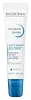 Key Ingredients
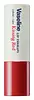
Benefits
Concerns
Ingredients Side-by-side
Paraffinum Liquidum
Emollient

Cera Microcristallina
Emulsion StabilisingCyclopentasiloxane
Emollient
Hydrogenated Polyisobutene
EmollientCaprylic/Capric Triglyceride
Masking


Butyrospermum Parkii Butter
Skin Conditioning

Paraffin
Skin ConditioningCyclohexasiloxane
Emollient
Glycine Soja Oil
Emollient

Glycine Soja Sterols
Emollient
Hexyl Laurate
Emollient
Ethylene/Propylene/Styrene Copolymer
Stearalkonium Hectorite
Gel FormingPersea Gratissima Oil
Skin Conditioning
Propylene Carbonate
SolventCetearyl Alcohol
Emollient
Ascorbyl Palmitate
Antioxidant



Butylene/Ethylene/Styrene Copolymer
Hydrogenated Palm Glycerides Citrate
Emollient
Tocopherol
Antioxidant


BHT
Antioxidant
Laminaria Ochroleuca Extract
Skin Conditioning
Citric Acid
Buffering

Paraffinum Liquidum, Cera Microcristallina, Cyclopentasiloxane, Hydrogenated Polyisobutene, Caprylic/Capric Triglyceride, Butyrospermum Parkii Butter, Paraffin, Cyclohexasiloxane, Glycine Soja Oil, Glycine Soja Sterols, Hexyl Laurate, Ethylene/Propylene/Styrene Copolymer, Stearalkonium Hectorite, Persea Gratissima Oil, Propylene Carbonate, Cetearyl Alcohol, Ascorbyl Palmitate, Butylene/Ethylene/Styrene Copolymer, Hydrogenated Palm Glycerides Citrate, Tocopherol, BHT, Laminaria Ochroleuca Extract, Citric Acid
Caprylic/Capric Triglyceride
Masking
Diisostearyl Malate
EmollientHydrogenated Polyisobutene
EmollientSynthetic Wax
Abrasive
Bis-Diglyceryl Polyacyladipate-2
Emollient
Butyrospermum Parkii Butter
Skin Conditioning
Microcrystalline Wax
Emulsion StabilisingPetrolatum 3%
Emollient
Polyglyceryl-2 Triisostearate
Emulsifying
Silica
Abrasive

Silica Dimethyl Silylate
EmollientSorbitan Isostearate
Emulsifying
CI 15985
Cosmetic ColorantCI 15850
Cosmetic ColorantTitanium Dioxide
Cosmetic Colorant

CI 77492
Cosmetic ColorantParfum
Masking


Pentaerythrityl Tetra-Di-T-Butyl Hydroxyhydrocinnamate
Antioxidant
Dehydroacetic Acid
Preservative
Honey Extract
Humectant
BHT
Antioxidant
Phenoxyethanol
Preservative
Ethylhexylglycerin
Skin ConditioningCaprylic/Capric Triglyceride, Diisostearyl Malate, Hydrogenated Polyisobutene, Synthetic Wax, Bis-Diglyceryl Polyacyladipate-2, Butyrospermum Parkii Butter, Microcrystalline Wax, Petrolatum 3%, Polyglyceryl-2 Triisostearate, Silica, Silica Dimethyl Silylate, Sorbitan Isostearate, CI 15985, CI 15850, Titanium Dioxide, CI 77492, Parfum, Pentaerythrityl Tetra-Di-T-Butyl Hydroxyhydrocinnamate, Dehydroacetic Acid, Honey Extract, BHT, Phenoxyethanol, Ethylhexylglycerin
Reviews
Ingredients Explained
These ingredients are found in both products.
Ingredients higher up in an ingredient list are typically present in a larger amount.
BHT is a synthetic antioxidant and preservative.
As an antioxidant, it helps your body fight off free-radicals. Free-radicals are molecules that may damage your skin cells.
As a preservative, it is used to stabilize products and prevent them from degrading. Specifically, BHT prevents degradation from oxidation.
The concerns related to BHT come from oral studies; this ingredient is currently allowed for use by both the FDA and EU.
However, it was recently restricted for use in the UK as of April 2024.
Learn more about BHTThis ingredient is also known as shea butter. It is a plant-derived extract from the nuts of the Africa shea tree and one of the most well-studied emollients.
Because it has a high concentration of fatty acids (primarily oleic, stearic, and linoleic) it is able to form a protective barrier on the skin's surface. This helps seal in moisture and prevents transepidermal water loss (TEWL).
In vitro research found an increase in skin hydration by 58% and a decrease in TEWL by 37.8% after 24 hours of applying this ingredient (pretty impressive for a single ingredient!).
Besides hydration, shea butter also contains triterpenes that have anti-inflammatory potential. In particule, lupeol cinnamate has shown the highest anti-inflammatory activity in vivo.
Shea butter also contains vitamins A and E which may contribute to antioxidant activity.
While Shea Butter has an SPF rating of about 3-4, it is not a sunscreen replacement.
This ingredient may not be fungal acne safe because its fatty acids fall within the C11-C24 range that the Malassezia yeast can metabolize.
Learn more about Butyrospermum Parkii ButterCaprylic/Capric Triglyceride (aka MCT Oil) is a lightweight emollient, solvent, and texture enhancer. It is considered a skin-softener by helping to prevent moisture loss.
Though it behaves like an oil, it is not technically one due to its chemical composition. One perk of this ingredient is that it is very stable, resistant to oxidation, and unlikely to go rancid.
In practice, that translates to a long shelf life and a consistently elegant skin feel.
While there is an assumption Caprylic Triglyceride can clog pores due to it being derived from coconut oil, there is no research supporting this. Just patch test if you have concerns.
Fractionated coconut oil and MCT Oil are both listed as Caprylic/Capric Triglyceride according to INCI. This is because INCI names are based on the ingredient’s final chemical composition and not its marketing name or source.
This ingredient is treated as the gold standard fungal acne safe oil. Even though it is coconut derived, the problematic lauric acid is stripped out.
This leaves just caprylic (C8) and capric (C10) acid. These chain lengths actually trend antifungal; a 2020 study found caprylic acid was enough to disrupt Malassezia furfur cell membrane, with a caprylic acid derivative damaging membrane structures at concentrations as low as 0.2%.
Learn more about Caprylic/Capric TriglycerideHydrogenated Polyisobutene is a synthetic polymer. Polymers are compounds with high molecular weight. Hydrogenated Polyisobutene is an emollient and texture enhancer.
In one study, Hydrogenated Polyisobutene showed better skin hydration levels than Caprylic/Capric Triglyceride. As an emollient, it helps keep your skin soft and hydrated by trapping moisture in.
Hydrogenated Polyisobutene is often used as a mineral oil replacement.
Learn more about Hydrogenated Polyisobutene
