

What's inside
What's inside
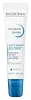 Key Ingredients
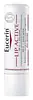
Benefits
Concerns
Ingredients Side-by-side
Paraffinum Liquidum
Emollient

Cera Microcristallina
Emulsion StabilisingCyclopentasiloxane
Emollient
Hydrogenated Polyisobutene
EmollientCaprylic/Capric Triglyceride
Masking


Butyrospermum Parkii Butter
Skin Conditioning

Paraffin
Skin ConditioningCyclohexasiloxane
Emollient
Glycine Soja Oil
Emollient

Glycine Soja Sterols
Emollient
Hexyl Laurate
Emollient
Ethylene/Propylene/Styrene Copolymer
Stearalkonium Hectorite
Gel FormingPersea Gratissima Oil
Skin Conditioning
Propylene Carbonate
SolventCetearyl Alcohol
Emollient
Ascorbyl Palmitate
Antioxidant



Butylene/Ethylene/Styrene Copolymer
Hydrogenated Palm Glycerides Citrate
Emollient
Tocopherol
Antioxidant


BHT
Antioxidant
Laminaria Ochroleuca Extract
Skin Conditioning
Citric Acid
Buffering

Paraffinum Liquidum, Cera Microcristallina, Cyclopentasiloxane, Hydrogenated Polyisobutene, Caprylic/Capric Triglyceride, Butyrospermum Parkii Butter, Paraffin, Cyclohexasiloxane, Glycine Soja Oil, Glycine Soja Sterols, Hexyl Laurate, Ethylene/Propylene/Styrene Copolymer, Stearalkonium Hectorite, Persea Gratissima Oil, Propylene Carbonate, Cetearyl Alcohol, Ascorbyl Palmitate, Butylene/Ethylene/Styrene Copolymer, Hydrogenated Palm Glycerides Citrate, Tocopherol, BHT, Laminaria Ochroleuca Extract, Citric Acid
Cera Microcristallina
Emulsion StabilisingOctyldodecanol
Emollient
Hydrogenated Polydecene
EmollientRicinus Communis Seed Oil
Masking
Cetyl Palmitate
Emollient
Polyglyceryl-3 Diisostearate
Emulsifying
Panthenol
Skin Conditioning
Ethylhexyl Triazone
UV Absorber
Butyl Methoxydibenzoylmethane
UV Absorber
Cetearyl Alcohol
Emollient
Bis-Diglyceryl Polyacyladipate-2
Emollient
Myristyl Myristate
Emollient
C20-40 Alkyl Stearate
Skin ConditioningGlycerin
Humectant
Copernicia Cerifera Cera
Emollient
Water
Skin ConditioningTocopheryl Acetate
Antioxidant
Simmondsia Chinensis Seed Oil
Emollient
Butyrospermum Parkii Butter
Skin Conditioning
Bisabolol
Antioxidant
Cera Alba
Emollient
Cera Microcristallina, Octyldodecanol, Hydrogenated Polydecene, Ricinus Communis Seed Oil, Cetyl Palmitate, Polyglyceryl-3 Diisostearate, Panthenol, Ethylhexyl Triazone, Butyl Methoxydibenzoylmethane, Cetearyl Alcohol, Bis-Diglyceryl Polyacyladipate-2, Myristyl Myristate, C20-40 Alkyl Stearate, Glycerin, Copernicia Cerifera Cera, Water, Tocopheryl Acetate, Simmondsia Chinensis Seed Oil, Butyrospermum Parkii Butter, Bisabolol, Cera Alba
Reviews
Ingredients Explained
These ingredients are found in both products.
Ingredients higher up in an ingredient list are typically present in a larger amount.
This ingredient is also known as shea butter. It is a plant-derived extract from the nuts of the Africa shea tree and one of the most well-studied emollients.
Because it has a high concentration of fatty acids (primarily oleic, stearic, and linoleic) it is able to form a protective barrier on the skin's surface. This helps seal in moisture and prevents transepidermal water loss (TEWL).
In vitro research found an increase in skin hydration by 58% and a decrease in TEWL by 37.8% after 24 hours of applying this ingredient (pretty impressive for a single ingredient!).
Besides hydration, shea butter also contains triterpenes that have anti-inflammatory potential. In particule, lupeol cinnamate has shown the highest anti-inflammatory activity in vivo.
Shea butter also contains vitamins A and E which may contribute to antioxidant activity.
While Shea Butter has an SPF rating of about 3-4, it is not a sunscreen replacement.
This ingredient may not be fungal acne safe because its fatty acids fall within the C11-C24 range that the Malassezia yeast can metabolize.
Learn more about Butyrospermum Parkii ButterCera Microcristallina, aka microcrystalline wax, is a petroleum-derived wax that helps thicken texture and stabilize the oils in formulas.
It also has mild occlusive properties that creates a film on skin to slow down water loss.
The CIR Expert Panel has concluded this ingredient to be safe as used in cosmetics.
This ingredient is refined to a cosmetic grade with high purity. It is chemically inert, stable, and doesn't clog pores (petroleum has a comedogenic rating of 0).
Malassezia feeds on fatty acids roughly in the C11-24 range and this ingredient contains none of those. Since there's no plausible food source for it here, this ingredient is fungal acne safe.
Learn more about Cera MicrocristallinaCetearyl alcohol is a waxy mixture of two fatty alcohols: cetyl alcohol and stearyl alcohol. It is an emollient and emulsifier.
Despite having "alcohol" in its name, it has nothing to do with drying solvent alcohols; the FDA also allows "alcohol-free" products to contain fatty alcohols like this ingredient.
It plays several roles in a formula:
Typical use levels for this ingredient sit around 1-10% and the Cosmetic Ingredient Review Expert Panel has affirmed safety at concentrations up to 25% in leave-on products.
Multiple assessments have found it to be non-irritating and non-sensitizing to most people.
However, there have been some cases of allergic contact dermatitis in patients with chronically compromised skin barriers.
Cetearyl alcohol has a comedogenic rating of 2 and irritancy rating of 1. Both of these numbers come from the 1989 study that used rabbit ears; a "2" means mildly comedogenic and a "1" means low irritancy.
Here's the catch: rabbit skin is more sensitive than human skin and throws a lot of false positives. A 1996 reappraisal found that ingredients rated 1-2 in the rabbit ear tests are generally safe for humans.
Remember comedogenic ratings are unable to assess the entire formula of a product or how it will react on your skin. Just be sure to patch test if you are unsure about certain ingredients.
This ingredient is not fungal acne safe. Cetearyl alcohol is a fatty alcohol with chain lengths that fall within the range that Malassezia can metabolize.
A 2019 study has also observed Malassezia growth in the presence of this ingredient, confirming it to be not-fungal acne safe.
Learn more about Cetearyl Alcohol

