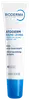
This barrier-repair lip moisturizer is formulated around Caprylic/Capric Triglyceride and Butyrospermum Parkii Butter to strengthen the lip barrier and hydrate lips.
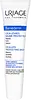
This barrier-repair lip moisturizer is formulated around Squalane to strengthen the lip barrier and hydrate lips.

What's inside
What's inside
 Key Ingredients
Benefits
Concerns
Ingredients Side-by-side
Paraffinum Liquidum
Emollient


Cera Microcristallina
Emulsion StabilisingCyclopentasiloxane
Emollient
Hydrogenated Polyisobutene
EmollientCaprylic/Capric Triglyceride
Masking


Butyrospermum Parkii Butter
Skin Conditioning



Paraffin
Skin Conditioning
Cyclohexasiloxane
Emollient
Glycine Soja Oil
Emollient

Glycine Soja Sterols
Emollient
Hexyl Laurate
Emollient
Ethylene/Propylene/Styrene Copolymer
Stearalkonium Hectorite
Gel FormingPersea Gratissima Oil
Skin Conditioning
Propylene Carbonate
SolventCetearyl Alcohol
Emollient
Ascorbyl Palmitate
Antioxidant



Butylene/Ethylene/Styrene Copolymer
Hydrogenated Palm Glycerides Citrate
Emollient
Tocopherol
Antioxidant


BHT
Antioxidant
Laminaria Ochroleuca Extract
Skin Conditioning
Citric Acid
Buffering
Paraffinum Liquidum, Cera Microcristallina, Cyclopentasiloxane, Hydrogenated Polyisobutene, Caprylic/Capric Triglyceride, Butyrospermum Parkii Butter, Paraffin, Cyclohexasiloxane, Glycine Soja Oil, Glycine Soja Sterols, Hexyl Laurate, Ethylene/Propylene/Styrene Copolymer, Stearalkonium Hectorite, Persea Gratissima Oil, Propylene Carbonate, Cetearyl Alcohol, Ascorbyl Palmitate, Butylene/Ethylene/Styrene Copolymer, Hydrogenated Palm Glycerides Citrate, Tocopherol, BHT, Laminaria Ochroleuca Extract, Citric Acid
Paraffinum Liquidum
Emollient
Cera Microcristallina
Emulsion StabilisingParaffin
Skin Conditioning
Hydrogenated Polydecene
EmollientDimethicone
Emollient
Triacontanyl Pvp
HumectantDipentaerythrityl Tetrahydroxystearate/Tetraisostearate
Skin Conditioning
Glycerin
Humectant
Squalane
Emollient
Brassica Campestris Sterols
EmollientTocopheryl Acetate
Antioxidant
Synthetic Wax
Abrasive
Ethylene/Propylene Copolymer
Abrasive
Polyethylene
Abrasive
Polyquaternium-61
Skin ConditioningBHT
Antioxidant
Paraffinum Liquidum, Cera Microcristallina, Paraffin, Hydrogenated Polydecene, Dimethicone, Triacontanyl Pvp, Dipentaerythrityl Tetrahydroxystearate/Tetraisostearate, Glycerin, Squalane, Brassica Campestris Sterols, Tocopheryl Acetate, Synthetic Wax, Ethylene/Propylene Copolymer, Polyethylene, Polyquaternium-61, BHT
Reviews
Ingredients Explained
These ingredients are found in both products.
Ingredients higher up in an ingredient list are typically present in a larger amount.
BHT is a synthetic antioxidant and preservative.
As an antioxidant, it helps your body fight off free-radicals. Free-radicals are molecules that may damage your skin cells.
As a preservative, it is used to stabilize products and prevent them from degrading. Specifically, BHT prevents degradation from oxidation.
The concerns related to BHT come from oral studies; this ingredient is currently allowed for use by both the FDA and EU.
However, it was recently restricted for use in the UK as of April 2024.
Learn more about BHTCera Microcristallina, aka microcrystalline wax, is a petroleum-derived wax that helps thicken texture and stabilize the oils in formulas.
It also has mild occlusive properties that creates a film on skin to slow down water loss.
The CIR Expert Panel has concluded this ingredient to be safe as used in cosmetics.
This ingredient is refined to a cosmetic grade with high purity. It is chemically inert, stable, and doesn't clog pores (petroleum has a comedogenic rating of 0).
Malassezia feeds on fatty acids roughly in the C11-24 range and this ingredient contains none of those. Since there's no plausible food source for it here, this ingredient is fungal acne safe.
Learn more about Cera MicrocristallinaParaffin is a solid wax that pulls its weight as an emollient, occlusive, and consistency-booster.
It softens skin and lays down a protective film to slow water loss and gives products a stable body and structure.
The cosmetic grade stuff is highly refined with a solid safety record. The CIR Expert Panel has repeatedly reaffirmed this ingredient to be safe in current practices of use and concentration.
The worry about carcinogenic compounds only applies to industrial grades, not the purified version used in skincare.
Despite its reputation, the highly reformed form is non-comedogenic and doesn't penetrate deeply into skin.
The good news for fungal-acne prone folks: the Malassezia yeast feeds on fatty acids and lipids and paraffin doesn't contain any of these (so there's nothing for the yeast to metabolize). This ingredient is considered fungal acne safe.
Learn more about ParaffinParaffinum Liquidum is a highly-refined cosmetic-grade mineral oil. It is also known as liquid paraffin.
Despite its controversial reputation, the science is pretty clear: it's one of the most well-studied and effective moisturizing ingredients out there.
As an occlusive, it forms a protective layer on the skin that locks in moisture and prevents transepidermal water loss (TEWL). This makes it especially great for compromised skin barriers.
The "it clogs your pores" myth has been around for decades; a study found that industrial-grade mineral oil may be comedogenic but cosmetic-grade mineral oil is not (these two are very, very different).
A 2017 review concluded that cosmetic use of mineral oils and waxes does not present a risk to consumers due to absorption.
Mineral oil got a bad rap from the old rabbit ear studies. When tested on actual human skin, cosmetic-grade mineral oil showed no comedogenic activity. The rating of 0 is a correction of outdated science.
Mineral oil is an inert substance with no fatty acids so there's nothing to feed Malassezia. This ingredient is fungal acne safe.
Learn more about Paraffinum Liquidum

