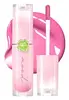
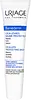
This barrier-repair lip moisturizer is formulated around Squalane to strengthen the lip barrier and hydrate lips.


What's inside
What's inside
 Key Ingredients
Benefits
Concerns
Ingredients Side-by-side
Water
Skin ConditioningDiphenyl Dimethicone
Emollient
Diisostearyl Malate
EmollientBis-Diglyceryl Polyacyladipate-2
Emollient


Hydrogenated Polyisobutene
EmollientBis-Behenyl/Isostearyl/Phytosteryl Dimer Dilinoleyl Dimer Dilinoleate
EmollientDiglycerin
Humectant
Dipropylene Glycol
HumectantCetyl PEG/PPG-10/1 Dimethicone
Emulsifying
Hydrogenated Polydecene
EmollientPolysorbate 60
Emulsifying
Sorbitan Isostearate
Emulsifying
Diisostearoyl Polyglyceryl-3 Dimer Dilinoleate
Emollient
Pentylene Glycol
Skin Conditioning
Hydroxyethyl Acrylate/Sodium Acryloyldimethyl Taurate Copolymer
Emulsion StabilisingCaprylic/Capric Triglyceride
Masking
Squalane
Emollient
Ceteareth-20
Cleansing

Ethylene/Propylene Copolymer
Abrasive
Propylene Glycol
Humectant
Phenoxyethanol
Preservative
Titanium Dioxide
Cosmetic Colorant

Parfum
Masking


Ethylhexylglycerin
Skin ConditioningCI 15850
Cosmetic ColorantCI 17200
Cosmetic ColorantCI 45410
Cosmetic ColorantCI 15985
Cosmetic ColorantAluminum Hydroxide
EmollientAmmonium Polyacrylate
StabilisingCI 19140
Cosmetic ColorantButylene Glycol
Humectant
CI 42090
Cosmetic ColorantHamamelis Virginiana Leaf Extract
Skin Conditioning
Lilium Tigrinum Extract
Skin ConditioningPentaerythrityl Tetra-Di-T-Butyl Hydroxyhydrocinnamate
Antioxidant
Water, Diphenyl Dimethicone, Diisostearyl Malate, Bis-Diglyceryl Polyacyladipate-2, Hydrogenated Polyisobutene, Bis-Behenyl/Isostearyl/Phytosteryl Dimer Dilinoleyl Dimer Dilinoleate, Diglycerin, Dipropylene Glycol, Cetyl PEG/PPG-10/1 Dimethicone, Hydrogenated Polydecene, Polysorbate 60, Sorbitan Isostearate, Diisostearoyl Polyglyceryl-3 Dimer Dilinoleate, Pentylene Glycol, Hydroxyethyl Acrylate/Sodium Acryloyldimethyl Taurate Copolymer, Caprylic/Capric Triglyceride, Squalane, Ceteareth-20, Ethylene/Propylene Copolymer, Propylene Glycol, Phenoxyethanol, Titanium Dioxide, Parfum, Ethylhexylglycerin, CI 15850, CI 17200, CI 45410, CI 15985, Aluminum Hydroxide, Ammonium Polyacrylate, CI 19140, Butylene Glycol, CI 42090, Hamamelis Virginiana Leaf Extract, Lilium Tigrinum Extract, Pentaerythrityl Tetra-Di-T-Butyl Hydroxyhydrocinnamate
Paraffinum Liquidum
Emollient

Cera Microcristallina
Emulsion StabilisingParaffin
Skin Conditioning
Hydrogenated Polydecene
EmollientDimethicone
Emollient
Triacontanyl Pvp
HumectantDipentaerythrityl Tetrahydroxystearate/Tetraisostearate
Skin Conditioning
Glycerin
Humectant
Squalane
Emollient
Brassica Campestris Sterols
EmollientTocopheryl Acetate
Antioxidant

Synthetic Wax
Abrasive
Ethylene/Propylene Copolymer
Abrasive
Polyethylene
Abrasive
Polyquaternium-61
Skin ConditioningBHT
Antioxidant
Paraffinum Liquidum, Cera Microcristallina, Paraffin, Hydrogenated Polydecene, Dimethicone, Triacontanyl Pvp, Dipentaerythrityl Tetrahydroxystearate/Tetraisostearate, Glycerin, Squalane, Brassica Campestris Sterols, Tocopheryl Acetate, Synthetic Wax, Ethylene/Propylene Copolymer, Polyethylene, Polyquaternium-61, BHT
Reviews
Ingredients Explained
These ingredients are found in both products.
Ingredients higher up in an ingredient list are typically present in a larger amount.
Ethylene/Propylene Copolymer is an exfoliant.
Hydrogenated Polydecene is a synthetic emollient. It forms a non-occlusive film on the skin's surface to provide a silky feel without being greasy.
In vivo studies in volunteers with atopic and dry skin showed no irritation or intolerance. The volunteers also saw a positive effect in dryness, scaling, and roughness after 28 days of use.
Concentrations up to 100% in guinea pig tests found it to be non-sensitizing and completely safe for use in cosmetics.
Learn more about Hydrogenated PolydeceneSqualane is the hydrogenated and shelf-stable form of squalene (a lipid that naturally occurs in human sebum).
It is an emollient and skin conditioning agent that is able to integrate seamlessly into the skin's lipid barrier without clogging pores.
This is due to how structurally similar it is to what your skin already produces.
Though it is mostly an emollient that helps soften and hydrate skin, it also has some humectant and occlusive action. Humectants help the skin retain moisture while occlusives seal it in, making squalane a triple-threat moisturizer.
Research shows it has antioxidant capabilities that help protect against stressors like UV exposure, specifically UVA induced oxidative stress. This study also found that it supports collagen biosynthesis in human dermal fibroblasts.
No clinical study has reported significant adverse effects and irritation reactions are very rare from this ingredient (even at 100% concentration).
Overall, it's a fantastic ingredient for hydration and is suitable for all skin types.
This depends on the source. Squalane can be derived from both plants and animals. Most squalane used in skincare comes from plants.
Please note: the source of squalane is only known if disclosed by the brand. We recommend reaching out to the brand if you have any questions about their squalane.
Read more about squalene with an "e".
Though squalane is often called an oil, it’s technically not one. It is a hydrocarbon, meaning it is only made of carbon and hydrogen. True oils are triglycerides and made of fatty acids and glycerol.
The term “oil-free” isn’t regulated so companies can define it however they want. Some exclude all oils, while others just avoid mineral oil or comedogenic oils.
Squalane has a comedogenic rating of 1 from the original 1972 study that tested raw ingredients under occlusion on rabbit ears. This system is not standardized or peer-reviewed, and using the raw ingredients is very different from how diluted cosmetic formulations are used on human skin.
A comedogenic rating of 1 means it is "unlikely to clog pores" according to the original rating system.
The overall formula of a product matters more than the individual ingredients on whether or not it will cause clogged pores.
Learn more about Squalane

