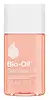
This brightening oil is formulated around Retinyl Palmitate and Helianthus Annuus Seed Oil to fade the look of dark spots and hydrate skin.
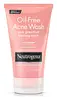
This acne exfoliator is formulated around Salicylic Acid to clear breakouts and refine skin texture.


What's inside
What's inside
 Key Ingredients
Benefits
Concerns
Ingredients Side-by-side
Paraffinum Liquidum
Emollient


Triisononanoin
Skin ConditioningCetearyl Ethylhexanoate
Emollient

Isopropyl Myristate
Emollient

Retinyl Palmitate
Skin Conditioning



Helianthus Annuus Seed Oil
Emollient
Tocopheryl Acetate
Antioxidant

Anthemis Nobilis Flower Oil
Masking


Lavandula Angustifolia Oil
Masking
Rosmarinus Officinalis Leaf Oil
Masking
Calendula Officinalis Extract
Skin Conditioning
Glycine Soja Oil
Emollient
Bisabolol
Antioxidant
Tocopherol
Antioxidant
Parfum
Masking
Alpha-Isomethyl Ionone
Perfuming
Amyl Cinnamal
Perfuming
Benzyl Salicylate
Perfuming
Citronellol
Perfuming
Coumarin
Perfuming
Eugenol
Perfuming
Farnesol
Perfuming
Geraniol
Perfuming
Hydroxycitronellal
Perfuming
Limonene
Perfuming
Linalool
Perfuming
CI 26100
Cosmetic ColorantParaffinum Liquidum, Triisononanoin, Cetearyl Ethylhexanoate, Isopropyl Myristate, Retinyl Palmitate, Helianthus Annuus Seed Oil, Tocopheryl Acetate, Anthemis Nobilis Flower Oil, Lavandula Angustifolia Oil, Rosmarinus Officinalis Leaf Oil, Calendula Officinalis Extract, Glycine Soja Oil, Bisabolol, Tocopherol, Parfum, Alpha-Isomethyl Ionone, Amyl Cinnamal, Benzyl Salicylate, Citronellol, Coumarin, Eugenol, Farnesol, Geraniol, Hydroxycitronellal, Limonene, Linalool, CI 26100
Salicylic Acid 2%
Masking






Water
Skin ConditioningSodium C14-16 Olefin Sulfonate
Cleansing
Glycerin
Humectant
Cocamidopropyl Betaine
Cleansing
Polyethylene
Abrasive
Acrylates Copolymer
Chondrus Crispus
Masking
C12-15 Alkyl Lactate
EmollientDisodium EDTA
Cocamidopropyl Pg-Dimonium Chloride Phosphate
Citrus Grandis Fruit Extract
Astringent
Polyquaternium-7
Camellia Sinensis Leaf Extract
Antimicrobial
Ascorbyl Palmitate
Antioxidant
Neopentyl Glycol Dicaprylate/Dicaprate
EmollientAnthemis Nobilis Flower Extract
Masking
Polysorbate 20
Emulsifying
Polyvinyl Alcohol
Propylene Glycol
Humectant
Sodium Chloride
MaskingBenzalkonium Chloride
Antimicrobial
Butylene Glycol
Humectant
Sodium Benzotriazolyl Butylphenol Sulfonate
UV AbsorberAgar
MaskingAlumina
Abrasive
Mica
Cosmetic ColorantTitanium Dioxide
Cosmetic Colorant

Sodium Hydroxide
BufferingCI 15850
Cosmetic ColorantCI 16035
Cosmetic ColorantCI 60725
Cosmetic ColorantParfum
Masking
Salicylic Acid 2%, Water, Sodium C14-16 Olefin Sulfonate, Glycerin, Cocamidopropyl Betaine, Polyethylene, Acrylates Copolymer, Chondrus Crispus, C12-15 Alkyl Lactate, Disodium EDTA, Cocamidopropyl Pg-Dimonium Chloride Phosphate, Citrus Grandis Fruit Extract, Polyquaternium-7, Camellia Sinensis Leaf Extract, Ascorbyl Palmitate, Neopentyl Glycol Dicaprylate/Dicaprate, Anthemis Nobilis Flower Extract, Polysorbate 20, Polyvinyl Alcohol, Propylene Glycol, Sodium Chloride, Benzalkonium Chloride, Butylene Glycol, Sodium Benzotriazolyl Butylphenol Sulfonate, Agar, Alumina, Mica, Titanium Dioxide, Sodium Hydroxide, CI 15850, CI 16035, CI 60725, Parfum
Reviews
Ingredients Explained
These ingredients are found in both products.
Ingredients higher up in an ingredient list are typically present in a larger amount.
Parfum is a catch-all term for an ingredient or more that is used to give a scent to products.
Also called "fragrance", this ingredient can be a blend of hundreds of chemicals or plant oils. This means every product with "fragrance" or "parfum" in the ingredients list is a different mixture.
For instance, Habanolide is a proprietary trade name for a specific aroma chemical. When used as a fragrance ingredient in cosmetics, most aroma chemicals fall under the broad labeling category of “FRAGRANCE” or “PARFUM” according to EU and US regulations.
The term 'parfum' or 'fragrance' is not regulated in many countries. In many cases, it is up to the brand to define this term.
For instance, many brands choose to label themselves as "fragrance-free" because they are not using synthetic fragrances. However, their products may still contain ingredients such as essential oils that are considered a fragrance by INCI standards.
One example is Calendula flower extract. Calendula is an essential oil that still imparts a scent or 'fragrance'.
Depending on the blend, the ingredients in the mixture can cause allergies and sensitivities on the skin. Some ingredients that are known EU allergens include linalool and citronellol.
Parfum can also be used to mask or cover an unpleasant scent.
The bottom line is: not all fragrances/parfum/ingredients are created equally. If you are worried about fragrances, we recommend taking a closer look at an ingredient. And of course, we always recommend speaking with a professional.
Learn more about Parfum

