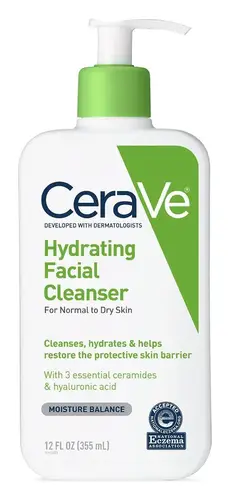
This hydrating oil is formulated around Helianthus Annuus Seed Oil and Oenothera Biennis Oil to hydrate skin and strengthen the skin barrier.
This hydrating oil is formulated around Oenothera Biennis Oil and Argania Spinosa Kernel Oil to hydrate skin and strengthen the skin barrier.


What's inside
What's inside
 Key Ingredients
Benefits
Concerns
Ingredients Side-by-side
Caprylic/Capric Triglyceride
Masking


Coco-Caprylate/Caprate
Emollient
Helianthus Annuus Seed Oil
Emollient


Olea Europaea Fruit Oil
Masking


Polyglyceryl-2 Isostearate/Dimer Dilinoleate Copolymer
EmollientOlax Dissitiflora Root Oil
Tonic
Canola Oil
Emollient
Vitis Vinifera Seed Oil
Emollient
Oenothera Biennis Oil
Emollient
Glyceryl Caprylate
EmollientPersea Gratissima Oil
Skin Conditioning
Tocopherol
Antioxidant




Daucus Carota Sativa Seed Oil
Emollient
Hydrolyzed Carrot Extract
Skin ConditioningVegetable Oil
Skin Conditioning
Tocopheryl Acetate
Antioxidant
Beta-Carotene
Skin ConditioningFoeniculum Vulgare Oil
Emollient
Melaleuca Alternifolia Leaf Oil
Antioxidant



Mentha Piperita Oil
Masking

Caprylic/Capric Triglyceride, Coco-Caprylate/Caprate, Helianthus Annuus Seed Oil, Olea Europaea Fruit Oil, Polyglyceryl-2 Isostearate/Dimer Dilinoleate Copolymer, Olax Dissitiflora Root Oil, Canola Oil, Vitis Vinifera Seed Oil, Oenothera Biennis Oil, Glyceryl Caprylate, Persea Gratissima Oil, Tocopherol, Daucus Carota Sativa Seed Oil, Hydrolyzed Carrot Extract, Vegetable Oil, Tocopheryl Acetate, Beta-Carotene, Foeniculum Vulgare Oil, Melaleuca Alternifolia Leaf Oil, Mentha Piperita Oil
Caprylic/Capric Triglyceride
Masking
Vitis Vinifera Seed Oil
Emollient
Prunus Armeniaca Kernel Oil
Masking
Oenothera Biennis Oil
Emollient
Argania Spinosa Kernel Oil
Emollient
Cannabis Sativa Seed Oil
Emollient
Borago Officinalis Seed Oil
Emollient
Ascorbic Acid
Antioxidant


Tocopherol
Antioxidant
Helianthus Annuus Seed Oil
Emollient
Spirulina Platensis Extract
Skin ProtectingTrehalose
Humectant
Rosmarinus Officinalis Leaf Extract
AntimicrobialGlycine Soja Oil
Emollient
Tanacetum Annuum Flower Oil
Masking
Citrus Aurantium Dulcis Peel Oil
Masking
Juniperus Virginiana Oil
Masking
Pogostemon Cablin Leaf Oil
Masking
Caprylic/Capric Triglyceride, Vitis Vinifera Seed Oil, Prunus Armeniaca Kernel Oil, Oenothera Biennis Oil, Argania Spinosa Kernel Oil, Cannabis Sativa Seed Oil, Borago Officinalis Seed Oil, Ascorbic Acid, Tocopherol, Helianthus Annuus Seed Oil, Spirulina Platensis Extract, Trehalose, Rosmarinus Officinalis Leaf Extract, Glycine Soja Oil, Tanacetum Annuum Flower Oil, Citrus Aurantium Dulcis Peel Oil, Juniperus Virginiana Oil, Pogostemon Cablin Leaf Oil
Reviews
Ingredients Explained
These ingredients are found in both products.
Ingredients higher up in an ingredient list are typically present in a larger amount.
Caprylic/Capric Triglyceride (aka MCT Oil) is a lightweight emollient, solvent, and texture enhancer. It is considered a skin-softener by helping to prevent moisture loss.
Though it behaves like an oil, it is not technically one due to its chemical composition. One perk of this ingredient is that it is very stable, resistant to oxidation, and unlikely to go rancid.
In practice, that translates to a long shelf life and a consistently elegant skin feel.
While there is an assumption Caprylic Triglyceride can clog pores due to it being derived from coconut oil, there is no research supporting this. Just patch test if you have concerns.
Fractionated coconut oil and MCT Oil are both listed as Caprylic/Capric Triglyceride according to INCI. This is because INCI names are based on the ingredient’s final chemical composition and not its marketing name or source.
This ingredient is treated as the gold standard fungal acne safe oil. Even though it is coconut derived, the problematic lauric acid is stripped out.
This leaves just caprylic (C8) and capric (C10) acid. These chain lengths actually trend antifungal; a 2020 study found caprylic acid was enough to disrupt Malassezia furfur cell membrane, with a caprylic acid derivative damaging membrane structures at concentrations as low as 0.2%.
Learn more about Caprylic/Capric TriglycerideHelianthus Annuus Seed Oil is a plant oil derived from the seeds of a sunflower.
It is rich in fatty acids, primarily linoleic acid and oleic acid. This gives it emollient and skin conditioning properties.
The reason this ingredient is so effective is because it forms a thin film on the skin that reduces transepidermal water loss (TEWL) while supplying linoleic acid to the stratum corneum to improve barrier strength.
The high linoleic acid content is particularly noteworthy for acne-prone skin.
Research suggests that acne-prone skin tends to be deficient in linoleic acid in sebum. Topical application may help replenish this to support a healthier follicular environment and less comedone-promoting sebum.
One randomized study found sunflower seed oil preserved skin barrier integrity in adult volunteers with and without atopic dermatitis (outperforming olive oil).
This ingredient is well-studied, gentle, and an effective emollient suitable for most skin types.
On fungal acne: This ingredient may not be Fungal acne (Malassezia folliculitis) safe. This is because it contains fatty acids with carbon chain lengths in the C11-C24 range.
Learn more about Helianthus Annuus Seed OilOenothera Biennis Oil (aka Evening Primrose Oil) is a non-fragrant oil from the evening primrose. Like other botanical oils, it is an emollient that helps hydrate and nourish skin.
It has an interesting fatty acid profile: linoleic (70-74%) and γ-linolenic (8-10%), with some amounts ofoleic palmitic, and stearic acids.
The gamma-linoleic acid (GLA) is the headliner here; it's relatively rare in plant oils and acts as a precursor for anti-inflammatory signaling molecules in the skin.
There's a mixed body of clinical research with this ingredient as well, mostly on eczema/atopic dermatitis skin.
Some controlled trials showed improvement in inflammation, dryness, scaling, and overall severity. Other studies and large meta-analysis failed to show a significant effect; the honest takeaway here is "promising but inconsistent" rather than "miracle oil".
On the safety front, this ingredient is found to be safe as used in cosmetics and even has a history of safe food use.
This ingredient does have a comedogenic rating of 3, but this doesn't mean a formula with this ingredient will clog pores. Human testing has proved that any finished product with this ingredient won't automatically make you break out; it really comes down to concentration, formula, and your skin.
Since this oil is contains oleic acid and palmitic acid, it may not be fungal acne safe. The Malassezia yeast feeds on fatty acids with carbon chain lengths between C11-C24. Oleic Acid sits at C18 and Palmitic acid sits at C16.
In vitro studies have shown that oleic acid and palmitic acid are some of the fatty acids that induce rapid Malassezia growth in lab settings.
Learn more about Oenothera Biennis OilTocopherol is a fat-soluble antioxidant known as Vitamin E.
You'll find this ingredient in the vast majority of skincare (for good reason). It works to neutralize free radicals, or unstable molecules generated by UV exposure, pollution, and other environmental stressors, before they can cause oxidative damage to your skin cells.
Topically applied tocopherol has been shown to protect against UV damage by ramping up the skin's own natural defense enzymes.
It also acts as a skin conditioning agent; some studies show that regular topical use can improve the skin's water-binding capacity over 2-4 weeks.
This ingredient is especially loved for being a team player. When combined with Vitamin C, the photoprotective effect of both ingredients roughly doubles and the combo also helps reduce UV-induced DNA damage.
This ingredient has some brightening potential but it's more of a prevention ingredient than spot-fader. Cell studies show it can slow down melanin production but it's worth noting that it's not the most powerful brightener out there.
In formulations, it also serves as a stabilizer that helps protect other oxidation-prone ingredients from degrading.
Concentrations usually range from 0.1-1% in most leave-on products.
Learn more about TocopherolVitis Vinifera Seed Oil comes from the grape vine. Grape seeds are a byproduct of creating grape juice or wine.
The components of grape seeds have many skin benefits. Research has found it to be antimicrobial and anti-inflammatory. It also contains many potent antioxidants such as Vitamin E , Vitamin C, proanthocyanidins, polyphenols, flavonoids, and anthocyanins. Proanthocyanidin has been shown to help even out skin tone.
Antioxidants help fight free-radical molecules. Free-radical molecules are capable of damaging our cells and other genetic material. Antioxidants help stabilize free-radicals by donating extra electrons. Grape seed extract may help reduce the signs of aging.
The antimicrobial properties of grape seed may help treat acne. However, more research is needed to support this claim.
Grape seed has also been found to help absorb UV rays. Grape seed extract should not replace your sunscreen.
The fatty acids of grape seed oil give it emollient properties. Emollients help soothe and soften your skin by creating a film. This film traps moisture within, keeping your skin hydrated.
Learn more about Vitis Vinifera Seed Oil