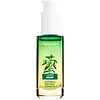
This hydrating oil is formulated around Olea Europaea Fruit Oil and Helianthus Annuus Seed Oil to hydrate skin.
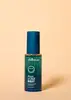
This hydrating oil is formulated around Oenothera Biennis Oil and Argania Spinosa Kernel Oil to hydrate skin and strengthen the skin barrier.


What's inside
What's inside
 Key Ingredients
Benefits
Concerns
Ingredients Side-by-side




Caprylic/Capric Triglyceride
Masking


Vitis Vinifera Seed Oil
Emollient



Prunus Armeniaca Kernel Oil
Masking

Oenothera Biennis Oil
Emollient
Argania Spinosa Kernel Oil
Emollient

Cannabis Sativa Seed Oil
Emollient
Borago Officinalis Seed Oil
Emollient
Ascorbic Acid
Antioxidant





Tocopherol
Antioxidant
Helianthus Annuus Seed Oil
Emollient
Spirulina Platensis Extract
Skin ProtectingTrehalose
Humectant
Rosmarinus Officinalis Leaf Extract
AntimicrobialGlycine Soja Oil
Emollient
Tanacetum Annuum Flower Oil
Masking
Citrus Aurantium Dulcis Peel Oil
Masking
Juniperus Virginiana Oil
Masking
Pogostemon Cablin Leaf Oil
Masking
Caprylic/Capric Triglyceride, Vitis Vinifera Seed Oil, Prunus Armeniaca Kernel Oil, Oenothera Biennis Oil, Argania Spinosa Kernel Oil, Cannabis Sativa Seed Oil, Borago Officinalis Seed Oil, Ascorbic Acid, Tocopherol, Helianthus Annuus Seed Oil, Spirulina Platensis Extract, Trehalose, Rosmarinus Officinalis Leaf Extract, Glycine Soja Oil, Tanacetum Annuum Flower Oil, Citrus Aurantium Dulcis Peel Oil, Juniperus Virginiana Oil, Pogostemon Cablin Leaf Oil
Ingredients Explained
These ingredients are found in both products.
Ingredients higher up in an ingredient list are typically present in a larger amount.
Cannabis Sativa Seed Oil is the fixed oil expressed from the seeds of the Cannabis sativa plant. This is also known as hemp oil.
Hemp oil is an emollient and nourishes the skin. It contains many fatty acids such as linoleic acid, amino acids, phospholipids, and vitamin E.
The difference between hemp and cannabis is their psychoactive component. Hemp has low amounts of THC.
Learn more about Cannabis Sativa Seed OilCaprylic/Capric Triglyceride (aka MCT Oil) is a lightweight emollient, solvent, and texture enhancer. It is considered a skin-softener by helping to prevent moisture loss.
Though it behaves like an oil, it is not technically one due to its chemical composition. One perk of this ingredient is that it is very stable, resistant to oxidation, and unlikely to go rancid.
In practice, that translates to a long shelf life and a consistently elegant skin feel.
While there is an assumption Caprylic Triglyceride can clog pores due to it being derived from coconut oil, there is no research supporting this. Just patch test if you have concerns.
Fractionated coconut oil and MCT Oil are both listed as Caprylic/Capric Triglyceride according to INCI. This is because INCI names are based on the ingredient’s final chemical composition and not its marketing name or source.
This ingredient is treated as the gold standard fungal acne safe oil. Even though it is coconut derived, the problematic lauric acid is stripped out.
This leaves just caprylic (C8) and capric (C10) acid. These chain lengths actually trend antifungal; a 2020 study found caprylic acid was enough to disrupt Malassezia furfur cell membrane, with a caprylic acid derivative damaging membrane structures at concentrations as low as 0.2%.
Learn more about Caprylic/Capric TriglycerideHelianthus Annuus Seed Oil is a plant oil derived from the seeds of a sunflower.
It is rich in fatty acids, primarily linoleic acid and oleic acid. This gives it emollient and skin conditioning properties.
The reason this ingredient is so effective is because it forms a thin film on the skin that reduces transepidermal water loss (TEWL) while supplying linoleic acid to the stratum corneum to improve barrier strength.
The high linoleic acid content is particularly noteworthy for acne-prone skin.
Research suggests that acne-prone skin tends to be deficient in linoleic acid in sebum. Topical application may help replenish this to support a healthier follicular environment and less comedone-promoting sebum.
One randomized study found sunflower seed oil preserved skin barrier integrity in adult volunteers with and without atopic dermatitis (outperforming olive oil).
This ingredient is well-studied, gentle, and an effective emollient suitable for most skin types.
On fungal acne: This ingredient may not be Fungal acne (Malassezia folliculitis) safe. This is because it contains fatty acids with carbon chain lengths in the C11-C24 range.
Learn more about Helianthus Annuus Seed OilThis ingredient is also known as Apricot kernel oil, and it comes form the seed kernels of apricot (a member of the Rosaceae family like almond, peach, cherry, and plum).
It's mostly made up of triglycerides: oleic acid (43.9-78.5%), linoleic acid (9.7-37%), and palmitic acid (4.9-7.3%). These numbers vary depending on the variety of Prunus and the ripeness of the fruit; oleic tends to go up at late harvest while linoleic goes down.
Vitamin E is also prevalent in this ingredient and the most dominant form is gamma-tocopherol.
These compounds give the ingredient emollient and skin conditioning properties that keep the skin soft and hydrated.
There's no regulatory maximum cap for this ingredient so you'll see it across a huge concentration range (100% as a single ingredient facial oil).
On allergies: refined cosmetic-grade oils carry almost no protein. The CIR notes that people allergic to a food generally do not react to the refined oil because the allergenic protein does not partition into it (though cold-pressed grades retain more).
However, it's worth patch testing if you have a stone fruit or tree nut allergy because manufacturer processes for removing the protein can vary.
Malassezia lacks the cytosolic fatty acid synthase gene so the yeast cannot make palmitate on its own and instead uses lipases and phospholipases to release fatty acids from host lipids. Since apricot kernel oil is entirely C16-18 (right in the usable range of C11-24), this ingredient may not be fungal acne safe.
Old rabbit-ear testing did assign this ingredient a comedogenic rating of 1-2. The original author has stated that testing on rabbit ears is not an ideal model for human comedogenicity.
Human testing has proved that any finished product with a comedogenic ingredient won't automatically make you break out; it really comes down to concentration, formula, and your skin.
Just know high-oleic oils tend to feel heavier on oily skin so it's worth patch testing.
Learn more about Prunus Armeniaca Kernel OilTocopherol is a fat-soluble antioxidant known as Vitamin E.
You'll find this ingredient in the vast majority of skincare (for good reason). It works to neutralize free radicals, or unstable molecules generated by UV exposure, pollution, and other environmental stressors, before they can cause oxidative damage to your skin cells.
Topically applied tocopherol has been shown to protect against UV damage by ramping up the skin's own natural defense enzymes.
It also acts as a skin conditioning agent; some studies show that regular topical use can improve the skin's water-binding capacity over 2-4 weeks.
This ingredient is especially loved for being a team player. When combined with Vitamin C, the photoprotective effect of both ingredients roughly doubles and the combo also helps reduce UV-induced DNA damage.
This ingredient has some brightening potential but it's more of a prevention ingredient than spot-fader. Cell studies show it can slow down melanin production but it's worth noting that it's not the most powerful brightener out there.
In formulations, it also serves as a stabilizer that helps protect other oxidation-prone ingredients from degrading.
Concentrations usually range from 0.1-1% in most leave-on products.
Learn more about Tocopherol

