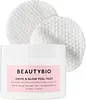
This smoothing treatment pad uses a pre-saturated pad with Gluconolactone and Glycolic Acid to refine skin texture and brighten dull-looking skin.
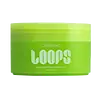
This smoothing toner pad uses a pre-saturated pad with Niacinamide and Gluconolactone to refine skin texture and refine the look of pores.

What's inside
What's inside
 Key Ingredients
Benefits
Concerns
Ingredients Side-by-side
Water
Skin ConditioningButylene Glycol
Humectant

Arginine
Masking
Glycerin
Humectant
Gluconolactone
Chelating






Glycolic Acid
Buffering




Salicylic Acid
Masking



Niacinamide
Smoothing


Caprylhydroxamic Acid
Chelating1,2-Hexanediol
Skin Conditioning
Ethylhexylglycerin
Skin ConditioningPEG-40 Hydrogenated Castor Oil
Emulsifying

Propylene Glycol
Humectant
Chlorphenesin
Antimicrobial
Sodium Diethylenetriamine Pentamethylene Phosphonate
ChelatingSodium Gluceptate
ChelatingParfum
Masking

Water, Butylene Glycol, Arginine, Glycerin, Gluconolactone, Glycolic Acid, Salicylic Acid, Niacinamide, Caprylhydroxamic Acid, 1,2-Hexanediol, Ethylhexylglycerin, PEG-40 Hydrogenated Castor Oil, Propylene Glycol, Chlorphenesin, Sodium Diethylenetriamine Pentamethylene Phosphonate, Sodium Gluceptate, Parfum
Water
Skin ConditioningButylene Glycol
Humectant
Glycerin
Humectant
1,2-Hexanediol
Skin Conditioning
Betaine
Humectant
Polyglyceryl-10 Laurate
Skin Conditioning
Niacinamide
Smoothing
Sodium Citrate
BufferingEthylhexylglycerin
Skin ConditioningCaprylyl Glycol
Emollient
Disodium EDTA
ChelatingCitric Acid
Buffering
Allantoin
Skin Conditioning
Panthenol
Skin Conditioning
Sodium Hyaluronate
Humectant
Squalane
Emollient
Polyglutamic Acid
Skin Conditioning
Caprylic/Capric Triglyceride
Masking
Rosa Damascena Flower Water
Masking
Gluconolactone
Chelating
Salicylic Acid
Masking
Avena Sativa Meal Extract
SoothingBakuchiol
Antimicrobial

Anthemis Nobilis Flower Extract
Masking
Calendula Officinalis Extract
Skin Conditioning
Mannitol
Humectant
Centella Asiatica Extract
Cleansing
Aloe Barbadensis Leaf Extract
Emollient
Pentylene Glycol
Skin Conditioning
Bromelain
Skin Conditioning
Papain
Skin Conditioning
Copper Tripeptide-1
Skin Conditioning
Acetyl Hexapeptide-8
Humectant
Palmitoyl Pentapeptide-4
Skin Conditioning
Phosphatidylcholine
EmulsifyingPalmitoyl Tetrapeptide-7
Skin Conditioning
Palmitoyl Tripeptide-1
Skin Conditioning
Sh-Polypeptide-1
Skin Conditioning
Water, Butylene Glycol, Glycerin, 1,2-Hexanediol, Betaine, Polyglyceryl-10 Laurate, Niacinamide, Sodium Citrate, Ethylhexylglycerin, Caprylyl Glycol, Disodium EDTA, Citric Acid, Allantoin, Panthenol, Sodium Hyaluronate, Squalane, Polyglutamic Acid, Caprylic/Capric Triglyceride, Rosa Damascena Flower Water, Gluconolactone, Salicylic Acid, Avena Sativa Meal Extract, Bakuchiol, Anthemis Nobilis Flower Extract, Calendula Officinalis Extract, Mannitol, Centella Asiatica Extract, Aloe Barbadensis Leaf Extract, Pentylene Glycol, Bromelain, Papain, Copper Tripeptide-1, Acetyl Hexapeptide-8, Palmitoyl Pentapeptide-4, Phosphatidylcholine, Palmitoyl Tetrapeptide-7, Palmitoyl Tripeptide-1, Sh-Polypeptide-1
Ingredients Explained
These ingredients are found in both products.
Ingredients higher up in an ingredient list are typically present in a larger amount.
1,2-Hexanediol is a synthetic liquid and another multi-functional powerhouse.
It is a:
- Humectant, drawing moisture into the skin
- Emollient, helping to soften skin
- Solvent, dispersing and stabilizing formulas
- Preservative booster, enhancing the antimicrobial activity of other preservatives
Butylene Glycol (or BG) is used within cosmetic products for a few different reasons:
Overall, Butylene Glycol is a safe and well-rounded ingredient that works well with other ingredients.
Though this ingredient works well with most skin types, some people with sensitive skin may experience a reaction such as allergic rashes, closed comedones, or itchiness.
Learn more about Butylene GlycolEthylhexylglycerin is created from glycerin. It is a multitasker ingredient that:
The CIR Expert Panel found minimal skin absorption or sensitization of any kind in a safety assessment. Though this ingredient is considered well-tolerated, a small number of cases of allergic dermatitis have been published since 2002. Just be sure to patch test if you are unsure.
Industry-reported use ranges from 8% in rinse-off products and 2% in leave-on formulations.
Learn more about EthylhexylglycerinGluconolactone is a PHA. PHAs are a great gentle alternative to traditional AHAs.
When applied, Gluconolactone has the same affect on skin as AHAs such as lactic acid. It helps dissolve the dead skin cells in the top layer of your skin. This improves texture and brightens the skin.
PHAs are more gentle than AHAs due to their larger structure. They do not penetrate as deeply as AHAs and take a longer time to dissolve dead cells. Studies show PHAs do not cause as much irritation.
Gluconolactone has some interesting properties:
In a 2004 study, Gluconolactone was found to prevent UV damage in mouse skin cells and has not been found to increase sun sensitivity. However, we still recommend wearing SPF daily.
This ingredient is is an created by reacting gluconic acid with an alcohol.
Learn more about GluconolactoneGlycerin (or glycerol) is a compound naturally found in your skin. It's a powerhouse humectant that pulls water into the stratum corneum.
Topically, glycerin does several things at once:
Your skin makes glycerin on its own (mostly from sebaceous oil breakdown) and shuttles it to your outermost layer of skin, or your epidermis, via aquaporin-3.
Aquaporin-3 is a transporter that is essential for normal skin hydration, elasticity, and repair. Interestingly, mice lacking in AQP3 have dry and less elastic skin that can be fully corrected with glycerin.
This ingredient is non-irritating, plays well with almost every ingredient, and works across all skin types. Typical use is anywhere between 3-10% but can go up to 79% in some leave-on products.
Just know very high concentrations (>40%) can feel tacky in low humidity.
Glycerin is the name for this ingredient in American English. British English uses Glycerol/Glycerine.
Learn more about GlycerinNiacinamide is a multitasking form of vitamin B3 that strengthens the skin barrier, reduces pores and dark spots, regulates oil, and improves signs of aging.
And the best part? It's gentle and well-tolerated by most skin types, including sensitive and reactive skin.
You might have heard of "niacin flush", or the reddening of skin that causes itchiness. Niacinamide has not been found to cause this.
In very rare cases, some individuals may not be able to tolerate niacinamide at all or experience an allergic reaction to it.
If you are experiencing flaking, irritation, and dryness with this ingredient, be sure to double check all your products as this ingredient can be found in all categories of skincare.
When incorporating niacinamide into your routine, look out for concentration amounts. Typically, 5% niacinamide provides benefits such as fading dark spots. However, if you have sensitive skin, it is better to begin with a smaller concentration.
When you apply niacinamide to your skin, your body converts it into nicotinamide adenine dinucleotide (NAD). NAD is an essential coenzyme that is already found in your cells as "fuel" and powers countless biological processes.
In your skin, NAD helps repair cell damage, produce new healthy cells, support collagen production, strengthen the skin barrier, and fight environmental stressors (like UV and pollution).
Our natural NAD levels start to decline with age, leading to slower skin repair, visible aging, and a weaker skin barrier. By providing your skin niacinamide, you're recharging your skin's NAD levels. This leads to stronger, healthier, and younger looking skin.
Another name for vitamin B3 is nicotinamide. This vitamin is water-soluble and our bodies don't store it. We obtain Vitamin B3 from either food or skincare. Meat, fish, wheat, yeast, and leafy greens contain vitamin B3.
The type of niacinamide used in skincare is synthetically created.
Learn more about NiacinamideSalicylic Acid (also known as beta hydroxy acid or BHA) is a well-known ingredient for treating skin that struggles with acne and clogged pores. It exfoliates both the skin's surface and deep within the pores to help clear out buildup, control oil, and reduce inflammation.
Unlike AHAs (alpha hydroxy acids), salicylic acid is oil-soluble. This allows it to penetrate into pores which makes it especially effective for treating blackheads and preventing future breakouts.
Salicylic acid is also known for its soothing properties. It has a similar structure to aspirin and can calm inflamed or irritated skin, making it a good option for acne-prone skin that is also sensitive.
Concentrations of 0.5-2% are recognized by the U.S. FDA as an over-the-counter topical acne product.
It can cause irritation and/or dryness if one's skin already has a compromised moisture barrier, so it's best to focus on repairing that before introducing this ingredient into your routine.
While salicylic acid does not increase sun sensitivity, it’s still important to wear sunscreen daily to protect your skin.
If you are looking for the ingredient called BHA or Butylated Hydroxyanisole, click here.
Learn more about Salicylic AcidWater. It's the most common cosmetic ingredient of all. You'll usually see it at the top of ingredient lists, meaning that it makes up the largest part of the product.
So why is it so popular? Water most often acts as a solvent - this means that it helps dissolve other ingredients into the formulation.
You'll also recognize water as that liquid we all need to stay alive. If you see this, drink a glass of water. Remember to stay hydrated!
Learn more about Water

