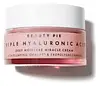
This barrier-repair moisturizer is formulated around Squalane and Hydrolyzed Hyaluronic Acid to strengthen the skin barrier and hydrate skin.
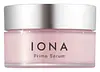
This anti-aging moisturizer is formulated around Niacinamide and Palmitoyl Tetrapeptide-7 to soften the look of wrinkles and strengthen the skin barrier.


What's inside
What's inside
 Key Ingredients
Benefits
Concerns
Ingredients Side-by-side
Water
Skin ConditioningSqualane
Emollient


Butylene Glycol
Humectant
Glycerin
Humectant
Hydrogenated Lecithin
Emulsifying
Pentylene Glycol
Skin Conditioning
Carbomer
Emulsion StabilisingHydrolyzed Hyaluronic Acid
Humectant
Betaine
Humectant
Phenoxyethanol
Preservative
1,2-Hexanediol
Skin Conditioning
Sorbitan Laurate
Emulsifying

Sodium Hydroxide
BufferingSodium Hyaluronate
Humectant
Disodium EDTA
Ethylhexylglycerin
Skin ConditioningHydroxyethylcellulose
Emulsion StabilisingAcetyl Dipeptide-1 Cetyl Ester
Skin Conditioning
Plankton Extract
Skin ConditioningPotentilla Miyabei Callus Extract
Skin ConditioningWater, Squalane, Butylene Glycol, Glycerin, Hydrogenated Lecithin, Pentylene Glycol, Carbomer, Hydrolyzed Hyaluronic Acid, Betaine, Phenoxyethanol, 1,2-Hexanediol, Sorbitan Laurate, Sodium Hydroxide, Sodium Hyaluronate, Disodium EDTA, Ethylhexylglycerin, Hydroxyethylcellulose, Acetyl Dipeptide-1 Cetyl Ester, Plankton Extract, Potentilla Miyabei Callus Extract
Water
Skin ConditioningGlycerin
Humectant
Butylene Glycol
Humectant
Triethylhexanoin
MaskingDipentaerythrityl Tri-Polyhydroxystearate
Emollient
Roe Extract
Skin ConditioningStearyl Glycyrrhetinate
Skin ConditioningDipotassium Glycyrrhizate
Humectant
Superoxide Dismutase
Antioxidant

Niacinamide
Smoothing





Melissa Officinalis Leaf Extract
Skin ConditioningCynara Scolymus Leaf Extract
Skin ConditioningPalmitoyl Tetrapeptide-7
Skin Conditioning
Palmitoyl Tripeptide-1
Skin Conditioning
Ceramide EOP
Skin Conditioning
Ceramide Ns
Skin Conditioning
Ceramide NP
Skin Conditioning
Ceramide As
Skin Conditioning
Ceramide AP
Skin Conditioning
Gossypium Herbaceum Seed Extract
Skin ConditioningSoluble Collagen
Humectant
Hydrolyzed Collagen
Emollient
Sodium Hyaluronate
Humectant
Hydrolyzed Hyaluronic Acid
Humectant
Phytosterols
Skin Conditioning
Pentylene Glycol
Skin Conditioning
Tocopherol
Antioxidant
Sodium Lactate
Buffering
Hydrogenated Lecithin
Emulsifying
Citric Acid
Buffering
Sodium Citrate
BufferingCarbomer
Emulsion StabilisingAcrylates/C10-30 Alkyl Acrylate Crosspolymer
Emulsion StabilisingPEG-5 Glyceryl Stearate
Emulsifying
Polysorbate 20
Emulsifying
Potassium Hydroxide
BufferingPvp
Emulsion StabilisingTrisodium Hedta
Tromethamine
BufferingPhenoxyethanol
Preservative
Water, Glycerin, Butylene Glycol, Triethylhexanoin, Dipentaerythrityl Tri-Polyhydroxystearate, Roe Extract, Stearyl Glycyrrhetinate, Dipotassium Glycyrrhizate, Superoxide Dismutase, Niacinamide, Melissa Officinalis Leaf Extract, Cynara Scolymus Leaf Extract, Palmitoyl Tetrapeptide-7, Palmitoyl Tripeptide-1, Ceramide EOP, Ceramide Ns, Ceramide NP, Ceramide As, Ceramide AP, Gossypium Herbaceum Seed Extract, Soluble Collagen, Hydrolyzed Collagen, Sodium Hyaluronate, Hydrolyzed Hyaluronic Acid, Phytosterols, Pentylene Glycol, Tocopherol, Sodium Lactate, Hydrogenated Lecithin, Citric Acid, Sodium Citrate, Carbomer, Acrylates/C10-30 Alkyl Acrylate Crosspolymer, PEG-5 Glyceryl Stearate, Polysorbate 20, Potassium Hydroxide, Pvp, Trisodium Hedta, Tromethamine, Phenoxyethanol
Ingredients Explained
These ingredients are found in both products.
Ingredients higher up in an ingredient list are typically present in a larger amount.
Butylene Glycol (or BG) is used within cosmetic products for a few different reasons:
Overall, Butylene Glycol is a safe and well-rounded ingredient that works well with other ingredients.
Though this ingredient works well with most skin types, some people with sensitive skin may experience a reaction such as allergic rashes, closed comedones, or itchiness.
Learn more about Butylene GlycolCarbomer is a synthetic thickening and gelling agent. It's basically the ingredient that gives a lot of serums, gels, creams, and sunscreens their smooth, non-sticky texture.
Although legally permitted at very high levels, carbomers are normally used at concentrations below 1%.
It also needs to be neutralized to actually thicken, and because it is a large molecule, it doesn't really penetrate the skin barrier.
Allergy-wise, the risk is very low. Clinical studies show carbomers have low potential for skin irritation/sensitization even at concentrations up to 100%.
A 2024 UK study patch-tested 1,302 patients and found true allergy to the parent group of carbomer to be rare with no confirmed relevant reactions.
Learn more about CarbomerGlycerin (or glycerol) is a compound naturally found in your skin. It's a powerhouse humectant that pulls water into the stratum corneum.
Topically, glycerin does several things at once:
Your skin makes glycerin on its own (mostly from sebaceous oil breakdown) and shuttles it to your outermost layer of skin, or your epidermis, via aquaporin-3.
Aquaporin-3 is a transporter that is essential for normal skin hydration, elasticity, and repair. Interestingly, mice lacking in AQP3 have dry and less elastic skin that can be fully corrected with glycerin.
This ingredient is non-irritating, plays well with almost every ingredient, and works across all skin types. Typical use is anywhere between 3-10% but can go up to 79% in some leave-on products.
Just know very high concentrations (>40%) can feel tacky in low humidity.
Glycerin is the name for this ingredient in American English. British English uses Glycerol/Glycerine.
Learn more about GlycerinHydrogenated Lecithin is a more stable version of lecithin.
It's made by taking lecithin (a phospholipid commonly found in soybeans and egg yolks) and hydrogenating it. This just means the unsaturated fatty acids are turned into saturated ones so they don't go bad as easily.
This ingredient is an emollient, emulsifier, and penetration enhancer. As an emollient, it helps soften and hydrate skin by trapping moisture within. As an emulsifier, it prevents oil and water ingredients from separating.
Hydrogenated Lecithin can form tiny spherical structures made of phospholipid bilayers called liposomes. These liposomes are able to capture compounds inside their structure and deliver them through the skin barrier.
Because phospholipids are a natural component of our cell membranes, this ingredient is inherently compatible with skin.
A 2021 study found lecithin-based surfactants were less harsh and more tolerable comared to Sodium Lauryl Sulfate (SLS).
Learn more about Hydrogenated LecithinHydrolyzed Hyaluronic Acid is hyaluronic acid (HA) that is broken down into lower molecular weight fragments.
It's a humectant that pulls and holds water in the skin to help with hydration, plumpness, and reduce transepidermal water loss.
Because hydrolyzed hyaluronic acid is smaller in size, it can slip past your outermost layer of skin more easily than full-sized HA.
Most formulations will combine all sizes to get the best of both worlds.
Typical usage levels range from 0.01-1%. Any percentage higher than 2% might become goopy and tacky.
Learn more about Hydrolyzed Hyaluronic AcidPentylene Glycol (1,2-pentanediol) is a multitasking little diol with three main roles in a formula:
Research on alkanediols (the family pentylene glycol belongs to) show they work by disrupting microbial cell membranes. This disruption helps the primary preservative system in a product work more effectively at lower doses.
On the safety side, the Cosmetic Ingredient Review Expert Panel has concluded this ingredient to be safe as used in current cosmetic practices + concentrations.
Typical use levels in a formula run about 1-5%.
Learn more about Pentylene GlycolPhenoxyethanol is one of the most widely used preservatives in skincare (and for good reason!).
It has a large spectrum of antimicrobial activity and especially effective bacteria, yeast, and mold while only having a weak effect on your skin's natural microbiome.
On a cellular level, it disrupts the cell membranes of microbes by poking holes that make the cell leak. This shuts down the chemical reactions the microbe needs to make energy so it can no longer survive.
Another perk of this ingredient is that it stays functional across a wide pH range (3-10).
You'll often see it paired with boosters like Ethylhexylglycerin; one study showed that a 1:9 ratio of Ethylhexylglycerin to Phenoxyethanol damages bacterial membranes as effectively as doubling the Phenoxyethanol concentration on its own.
Typical use concentrations range from 0.3-1% depending on the formula, and this ingredient is capped at 1% int the EU.
Safety-wise, the fear mongering does not hold up to the evidence. The EU's Scientific Committee on Consumer Safety and FDA consider it safe as a preservative at up to 1%, including for children of all ages.
Adverse systemic effects only showed up in animal studies at exposures roughly 200x higher than what people get from cosmetics. And despite its very widespread use, this ingredient is a rare sensitizer and allergic reactions are uncommon.
Learn more about PhenoxyethanolSodium Hyaluronate is the salt form of hyaluronic acid. It is a long sugar chain that is naturally found in your skin, joints, and connective tissue that maintains hydration and elasticity.
In skincare, it works as a humectant. It pulls water from the environment and deeper layers of skin and binds it to the surface.
Interestingly, the size of the molecule affects its behavior:
Some clinical evidence links low molecular weight versions to improved wrinkle depth, elasticity, anti-inflammatory effects, and barrier repair.
Many serums use a blend of both weights so you can get surface hydration plus longer-lasting and deeper effects.
You'll typically see concentrations between 0.1-2% for this ingredient.
Learn more about Sodium HyaluronateWater. It's the most common cosmetic ingredient of all. You'll usually see it at the top of ingredient lists, meaning that it makes up the largest part of the product.
So why is it so popular? Water most often acts as a solvent - this means that it helps dissolve other ingredients into the formulation.
You'll also recognize water as that liquid we all need to stay alive. If you see this, drink a glass of water. Remember to stay hydrated!
Learn more about Water

