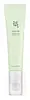
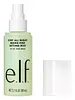
Beauty of Joseon Light On Serum : Centella + Vita C Versus e.l.f. cosmetics Stay All Night Micro-Fine Setting Mist
This brightening serum is formulated around Centella Asiatica Extract and 3-O-Ethyl Ascorbic Acid to brighten dull-looking skin and calm redness.


What's inside
What's inside
 Key Ingredients
Benefits
Concerns
Ingredients Side-by-side
Centella Asiatica Extract
Cleansing





3-O-Ethyl Ascorbic Acid
Skin Conditioning


Glycerin
Humectant
Propanediol
Solvent
Betaine
Humectant
Dicaprylyl Carbonate
EmollientMethyl Trimethicone
Skin Conditioning
Cetyl Ethylhexanoate
EmollientPanthenol
Skin Conditioning
Laminaria Japonica Extract
Skin Protecting
Eclipta Prostrata Leaf Extract
Skin ConditioningPhellodendron Amurense Bark Extract
Skin ConditioningCitrus Unshiu Peel Extract
MaskingBrassica Oleracea Acephala Leaf Extract
HumectantHydrolyzed Gardenia Florida Extract
Antioxidant
Hydrogenated Lecithin
Emulsifying
Cetearyl Alcohol
Emollient






Water
Skin ConditioningDimethicone/Vinyl Dimethicone Crosspolymer
Skin Conditioning
Silica
Abrasive

Bisabolol
Antioxidant
Potassium Cetyl Phosphate
EmulsifyingHydrolyzed Jojoba Esters
Skin Conditioning
Cetearyl Olivate
Sorbitan Olivate
Emulsifying
Hydroxyethyl Acrylate/Sodium Acryloyldimethyl Taurate Copolymer
Emulsion StabilisingAmmonium Acryloyldimethyltaurate/Beheneth-25 Methacrylate Crosspolymer
Emulsion StabilisingXanthan Gum
EmulsifyingPolyglyceryl-10 Myristate
Skin Conditioning
Adenosine
Skin Conditioning
Fructooligosaccharides
Humectant
Beta-Glucan
Skin Conditioning
Butylene Glycol
Humectant
Sorbitan Isostearate
Emulsifying
Hydrolyzed Hyaluronic Acid
Humectant
Maltodextrin
Absorbent
Arginine
Masking
Carbomer
Emulsion StabilisingAscorbic Acid Polypeptide
Antioxidant

1,2-Hexanediol
Skin Conditioning
Hydroxyacetophenone
Antioxidant
Ethylhexylglycerin
Skin ConditioningCentella Asiatica Extract, 3-O-Ethyl Ascorbic Acid, Glycerin, Propanediol, Betaine, Dicaprylyl Carbonate, Methyl Trimethicone, Cetyl Ethylhexanoate, Panthenol, Laminaria Japonica Extract, Eclipta Prostrata Leaf Extract, Phellodendron Amurense Bark Extract, Citrus Unshiu Peel Extract, Brassica Oleracea Acephala Leaf Extract, Hydrolyzed Gardenia Florida Extract, Hydrogenated Lecithin, Cetearyl Alcohol, Water, Dimethicone/Vinyl Dimethicone Crosspolymer, Silica, Bisabolol, Potassium Cetyl Phosphate, Hydrolyzed Jojoba Esters, Cetearyl Olivate, Sorbitan Olivate, Hydroxyethyl Acrylate/Sodium Acryloyldimethyl Taurate Copolymer, Ammonium Acryloyldimethyltaurate/Beheneth-25 Methacrylate Crosspolymer, Xanthan Gum, Polyglyceryl-10 Myristate, Adenosine, Fructooligosaccharides, Beta-Glucan, Butylene Glycol, Sorbitan Isostearate, Hydrolyzed Hyaluronic Acid, Maltodextrin, Arginine, Carbomer, Ascorbic Acid Polypeptide, 1,2-Hexanediol, Hydroxyacetophenone, Ethylhexylglycerin
Water
Skin ConditioningAlcohol
Antimicrobial


Pvp
Emulsion StabilisingCamellia Sinensis Leaf Extract
Antimicrobial
Aloe Barbadensis Leaf Juice
Skin Conditioning
Ceramide AP
Skin Conditioning
Butylene Glycol
Humectant
PPG-26-Buteth-26
Skin ConditioningPEG-40 Hydrogenated Castor Oil
Emulsifying
Silica
Abrasive
Hydroxyacetophenone
Antioxidant
Phenoxyethanol
Preservative
Parfum
Masking

Tromethamine
BufferingDisodium EDTA
ChelatingDenatonium Benzoate
Masking
Reviews
Ingredients Explained
These ingredients are found in both products.
Ingredients higher up in an ingredient list are typically present in a larger amount.
Butylene Glycol (or BG) is used within cosmetic products for a few different reasons:
Overall, Butylene Glycol is a safe and well-rounded ingredient that works well with other ingredients.
Though this ingredient works well with most skin types, some people with sensitive skin may experience a reaction such as allergic rashes, closed comedones, or itchiness.
Learn more about Butylene GlycolHydroxyacetophenone is a small phenolic molecule that earns its place in a formulas as an antioxidant and preservative booster.
As a phenol, it is able to neutralize free radicals to protect both the product and the skin from oxidative stress.
Though it can't kill microbes on its own, it works as a good supporting agent when combined with other preservatives like Phenoxyethanol or 1,2-Hexanediol.
This ingredient naturally occurs as piceol in Norwegian spruce needles (~0.4-1.1% dry weight and in cloudberries). Though the cosmetic-grade material is synthesized for purity and consistency.
You'll usually see it used at low levels and suppliers recommend up to 1% added to a water phase.
Safety testing was done at concentrations like 0.05% in SPF products and 0.5% in a Human Repeated Insult Patch Test. The safety evidence is assuring; this ingredient is safe for cosmetics in current use and also holds safety status as a food flavoring as well.
An honest caveat: the "soothing" and "anti-inflammatory" claims come mostly from supplier marketing rather than published clinical trials. The Cosmetic Ingredient Review's own literature search found no useful efficacy studies on this ingredient.
So the antioxidant and preservative-boosting roles are the well supported ones while the calming benefit is plausible but thinly evidenced.
Overall, this is a well-tolerated, low-irritation multitasker that quietly helps a formula stay fresh and stable.
Learn more about HydroxyacetophenoneSilica, also known as silicon dioxide, is a naturally occurring mineral. It is used as a fine, spherical, and porous powder in cosmetics.
Though it has exfoliant properties, the function of silica varies depending on the product.
The unique structure of silica enhances the spreadability and adds smoothness, making it a great texture enhancer.
It is also used as an active carrier, emulsifier, and mattifier due to its ability to absorb excess oil.
In some products, tiny microneedles called spicules are made from silica or hydrolyzed sponge. When you rub them in, they lightly polish away dead skin layers and enhance the penetration of active ingredients.
Learn more about SilicaWater. It's the most common cosmetic ingredient of all. You'll usually see it at the top of ingredient lists, meaning that it makes up the largest part of the product.
So why is it so popular? Water most often acts as a solvent - this means that it helps dissolve other ingredients into the formulation.
You'll also recognize water as that liquid we all need to stay alive. If you see this, drink a glass of water. Remember to stay hydrated!
Learn more about Water

