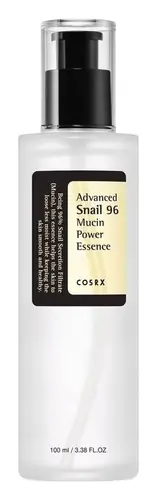
This anti-aging eye moisturizer is formulated around Bakuchiol and Caffeine to soften the look of wrinkles and brighten dull-looking skin.
This anti-aging eye moisturizer is formulated around Squalane and Niacinamide to soften the look of wrinkles and strengthen the skin barrier.


What's inside
What's inside
 Key Ingredients
Benefits
Concerns
Ingredients Side-by-side
Water
Skin ConditioningSqualane
Emollient


Glycerin
Humectant
Diethylhexyl Carbonate
EmollientHeptyl Undecylenate
EmollientAmmonium Acryloyldimethyltaurate/Vp Copolymer
Butylene Glycol
Humectant
Albizia Julibrissin Bark Extract
MaskingBakuchiol
Antimicrobial







Caffeine
Skin Conditioning
Sodium Hyaluronate
Humectant
Tocopheryl Acetate
Antioxidant
Ethylhexylglycerin
Skin ConditioningHippophae Rhamnoides Fruit Extract
Skin Conditioning
Glycine Soja Oil
Emollient





Caramel
Cosmetic ColorantSiloxanetriol Alginate
Skin ConditioningTocopherol
Antioxidant
Beta-Sitosterol
Emulsion Stabilising
Squalene
Emollient
Maltodextrin
Absorbent
Sorbic Acid
Preservative
Darutoside
Skin ConditioningTitanium Dioxide
Cosmetic Colorant

Mica
Cosmetic ColorantAlumina
Abrasive
Phenoxyethanol
Preservative
Sodium Hydroxide
BufferingRosmarinus Officinalis Leaf Extract
AntimicrobialWater, Squalane, Glycerin, Diethylhexyl Carbonate, Heptyl Undecylenate, Ammonium Acryloyldimethyltaurate/Vp Copolymer, Butylene Glycol, Albizia Julibrissin Bark Extract, Bakuchiol, Caffeine, Sodium Hyaluronate, Tocopheryl Acetate, Ethylhexylglycerin, Hippophae Rhamnoides Fruit Extract, Glycine Soja Oil, Caramel, Siloxanetriol Alginate, Tocopherol, Beta-Sitosterol, Squalene, Maltodextrin, Sorbic Acid, Darutoside, Titanium Dioxide, Mica, Alumina, Phenoxyethanol, Sodium Hydroxide, Rosmarinus Officinalis Leaf Extract
Water
Skin ConditioningPropanediol
Solvent
Squalane
Emollient
Niacinamide
Smoothing


Pentylene Glycol
Skin Conditioning
Glycerin
Humectant
Boron Nitride
Absorbent
Maltodextrin
Absorbent
C14-22 Alcohols
Emulsion Stabilising
Caffeine
Skin Conditioning
Caprylyl/Capryl Glucoside
CleansingHydroxyethyl Acrylate/Sodium Acryloyldimethyl Taurate Copolymer
Emulsion StabilisingPolyacrylate Crosspolymer-6
Emulsion Stabilising1,2-Hexanediol
Skin Conditioning
Parfum
Masking


Tocopheryl Acetate
Antioxidant
Ethylhexylglycerin
Skin ConditioningOriganum Majorana Leaf Extract
AntiseborrhoeicC12-20 Alkyl Glucoside
EmulsifyingEscin
TonicCaprylhydroxamic Acid
ChelatingAmmonium Acryloyldimethyltaurate/Vp Copolymer
Curcuma Longa Root Extract
Antioxidant
Persea Gratissima Oil Unsaponifiables
Skin Conditioning
Polysorbate 60
Emulsifying
Sorbitan Isostearate
Emulsifying
Caramel
Cosmetic ColorantMarrubium Vulgare Extract
Skin ConditioningPhenethyl Alcohol
MaskingAnthriscus Sylvestris Extract
Skin ConditioningFurcellaria Lumbricalis Extract
Skin ConditioningT-Butyl Alcohol
Perfuming

Sodium Hydroxide
BufferingCitric Acid
Buffering
Maris Sal
Skin ConditioningWater, Propanediol, Squalane, Niacinamide, Pentylene Glycol, Glycerin, Boron Nitride, Maltodextrin, C14-22 Alcohols, Caffeine, Caprylyl/Capryl Glucoside, Hydroxyethyl Acrylate/Sodium Acryloyldimethyl Taurate Copolymer, Polyacrylate Crosspolymer-6, 1,2-Hexanediol, Parfum, Tocopheryl Acetate, Ethylhexylglycerin, Origanum Majorana Leaf Extract, C12-20 Alkyl Glucoside, Escin, Caprylhydroxamic Acid, Ammonium Acryloyldimethyltaurate/Vp Copolymer, Curcuma Longa Root Extract, Persea Gratissima Oil Unsaponifiables, Polysorbate 60, Sorbitan Isostearate, Caramel, Marrubium Vulgare Extract, Phenethyl Alcohol, Anthriscus Sylvestris Extract, Furcellaria Lumbricalis Extract, T-Butyl Alcohol, Sodium Hydroxide, Citric Acid, Maris Sal
Reviews
Ingredients Explained
These ingredients are found in both products.
Ingredients higher up in an ingredient list are typically present in a larger amount.
Ammonium Acryloyldimethyltaurate/Vp Copolymer is a synthetically created polymer. It's used as a film-forming agent and used to thicken the consistency of products.
Think of it as a supportive ingredient that helps your gel-creams feel silky, "cloud cream-like", and spread evenly without being greasy.
The Cosmetic Ingredient Review (CIR) Expert Panel evaluated it (along with 22 other acryloyldimethyltaurate polymers) and concluded it's:
Due to its large molecular size, it sits on the surface of skin rather than penetrating it.
Learn more about Ammonium Acryloyldimethyltaurate/Vp CopolymerCaffeine is a naturally occurring plant compound found in coffee beans, tea leaves, cocoa pods, and guarana.
As an antioxidant, caffeine protects your skin from free radical damage caused by UV exposure and envionrmnetal stressors.
Early research also shows that caffeine can help calm redness, soothe irritated skin, and support hair growth by stimulating microcirculation in the scalp.
You might have seen eye creams marketing caffeine as a depuffing ingredient. This is because it is a vasoconstrictor meaning it can temporarily constrict blood vessels, though clinical evidence for this specific use is still limited.
Most skincare products contain this ingredient at concentrations between 1-6%. It is able to penetrate skin easily regardless of skin type or thickness.
Just so you know, a very small number of case reports describe caffeine-induced allergy. This ingredient is generally well-tolerated, non-irritating, and non-sensitizing for the majority of people.
Learn more about CaffeineWe don't have a description for Caramel yet.
Ethylhexylglycerin is created from glycerin. It is a multitasker ingredient that:
The CIR Expert Panel found minimal skin absorption or sensitization of any kind in a safety assessment. Though this ingredient is considered well-tolerated, a small number of cases of allergic dermatitis have been published since 2002. Just be sure to patch test if you are unsure.
Industry-reported use ranges from 8% in rinse-off products and 2% in leave-on formulations.
Learn more about EthylhexylglycerinGlycerin (or glycerol) is a compound naturally found in your skin. It's a powerhouse humectant that pulls water into the stratum corneum.
Topically, glycerin does several things at once:
Your skin makes glycerin on its own (mostly from sebaceous oil breakdown) and shuttles it to your outermost layer of skin, or your epidermis, via aquaporin-3.
Aquaporin-3 is a transporter that is essential for normal skin hydration, elasticity, and repair. Interestingly, mice lacking in AQP3 have dry and less elastic skin that can be fully corrected with glycerin.
This ingredient is non-irritating, plays well with almost every ingredient, and works across all skin types. Typical use is anywhere between 3-10% but can go up to 79% in some leave-on products.
Just know very high concentrations (>40%) can feel tacky in low humidity.
Glycerin is the name for this ingredient in American English. British English uses Glycerol/Glycerine.
Learn more about GlycerinMaltodextrin is a plant-derived carbohydrate made by breaking down starch (usually from corn, potato, or rice). In cosmetic formulas, it's a multitasking absorbent, emulsion stabilizer, and skin conditioner.
This ingredient is mostly used to stabilize emulsions and improve the powdery, non-greasy feel of products (like dry shampoos).
Safety-wise, this ingredient is pretty solid; it's even recognized as a food additive. Both animal and clinical studies found no adverse effects at the levels used in cosmetics.
Industry data shows this ingredient is used up to 45.7% in spray products and up to 33% in powder products.
Learn more about MaltodextrinSodium Hydroxide is also known as lye or caustic soda. It is used to adjust the pH of products; many ingredients require a specific pH to be effective.
In small amounts, sodium hydroxide is considered safe to use. However, large amounts may cause chemical burns due to its high alkaline.
Your skin has a natural pH and acid mantle. This acid mantle helps prevent harmful bacteria from breaking through. The acid mantle also helps keep your skin hydrated.
"Alkaline" refers to a high pH level. A low pH level would be considered acidic.
Learn more about Sodium HydroxideSqualane is the hydrogenated and shelf-stable form of squalene (a lipid that naturally occurs in human sebum).
It is an emollient and skin conditioning agent that is able to integrate seamlessly into the skin's lipid barrier without clogging pores.
This is due to how structurally similar it is to what your skin already produces.
Though it is mostly an emollient that helps soften and hydrate skin, it also has some humectant and occlusive action. Humectants help the skin retain moisture while occlusives seal it in, making squalane a triple-threat moisturizer.
Research shows it has antioxidant capabilities that help protect against stressors like UV exposure, specifically UVA induced oxidative stress. This study also found that it supports collagen biosynthesis in human dermal fibroblasts.
No clinical study has reported significant adverse effects and irritation reactions are very rare from this ingredient (even at 100% concentration).
Overall, it's a fantastic ingredient for hydration and is suitable for all skin types.
This depends on the source. Squalane can be derived from both plants and animals. Most squalane used in skincare comes from plants.
Please note: the source of squalane is only known if disclosed by the brand. We recommend reaching out to the brand if you have any questions about their squalane.
Read more about squalene with an "e".
Though squalane is often called an oil, it’s technically not one. It is a hydrocarbon, meaning it is only made of carbon and hydrogen. True oils are triglycerides and made of fatty acids and glycerol.
The term “oil-free” isn’t regulated so companies can define it however they want. Some exclude all oils, while others just avoid mineral oil or comedogenic oils.
Squalane has a comedogenic rating of 1 from the original 1972 study that tested raw ingredients under occlusion on rabbit ears. This system is not standardized or peer-reviewed, and using the raw ingredients is very different from how diluted cosmetic formulations are used on human skin.
A comedogenic rating of 1 means it is "unlikely to clog pores" according to the original rating system.
The overall formula of a product matters more than the individual ingredients on whether or not it will cause clogged pores.
Learn more about SqualaneTocopheryl Acetate is a stable, shelf-friendly form of vitamin E.
Formulators love it because plain vitamin E oxidizes quickly once it hits air. This acetate version stays stable and resists going off, helping to extend a product's shelf life.
It's actually inactive on its own and works like a slow-release "storage" form; the enzymes in your skin called esterases gradually convert it into active vitamin E over time.
One in vivo study showed 5% of the acetate in the living layer of the epidermis converted to vitamin E after 5 days of application. This study also found the skin gained protection against UV damage even though the conversion was slow and small.
Once converted, vitamin E acts as a skin's main fat-soluble antioxidant that fights free radicals to protect skin from damage.
Topical vitamin E generally boosts the skin's photoprotection, and it reduced UV-damage in animal models.
This ingredient has some brightening potential but it's more of a prevention ingredient than spot-fader. Cell studies show it can slow down melanin production but it's worth noting that it's not the most powerful brightener out there.
Overall, it has a pretty solid safety profile and has been found to be non-irritating and non-comedogenic. Allergic reactions may happen but stay rare due to how widely the ingredient gets used.
The concentration will vary depending on the formula; industry data shows 0.1% in baby lotions, 3% in lipsticks, and 5% in foot powders. You can also find this ingredient at 100% in a pure vitamin E oil.
Most leave-on skincare keeps it at the lower end, often between 0.5-1%.
Learn more about Tocopheryl AcetateWater. It's the most common cosmetic ingredient of all. You'll usually see it at the top of ingredient lists, meaning that it makes up the largest part of the product.
So why is it so popular? Water most often acts as a solvent - this means that it helps dissolve other ingredients into the formulation.
You'll also recognize water as that liquid we all need to stay alive. If you see this, drink a glass of water. Remember to stay hydrated!
Learn more about Water