
What's inside
What's inside
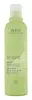 Key Ingredients
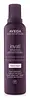
No key ingredients
Benefits
Concerns
Ingredients Side-by-side
Water
Skin ConditioningSodium Coco-Sulfate
Cleansing

Disodium Laureth Sulfosuccinate
CleansingBabassuamidopropyl Betaine
CleansingGlycerin
Humectant


Sodium Gluconate
ChelatingHydrolyzed Wheat Protein
Skin ConditioningHydroxypropyltrimonium Hydrolyzed Corn Starch
Aloe Barbadensis Leaf Juice
Skin Conditioning

Glycol Stearate
Emollient

Guar Hydroxypropyltrimonium Chloride
Skin ConditioningCocamidopropyl Pg-Dimonium Chloride Phosphate
Palmamidopropyl Trimonium Methosulfate
Maltodextrin
Absorbent
Citric Acid
Buffering

Sodium Hydroxide
BufferingPolysorbate 20
Emulsifying
Glycol Distearate
Emollient
Galactoarabinan
Dehydroxanthan Gum
Emulsion StabilisingSodium Chloride
MaskingAlcohol Denat.
Antimicrobial



Parfum
Masking

Limonene
Perfuming
Geraniol
Perfuming
Linalool
Perfuming
Citronellol
Perfuming
Citral
Perfuming
Eugenol
Perfuming
Sodium Citrate
BufferingPhenoxyethanol
Preservative
Potassium Sorbate
Preservative
Sodium Benzoate
Masking
Benzoic Acid
Masking
Water, Sodium Coco-Sulfate, Disodium Laureth Sulfosuccinate, Babassuamidopropyl Betaine, Glycerin, Sodium Gluconate, Hydrolyzed Wheat Protein, Hydroxypropyltrimonium Hydrolyzed Corn Starch, Aloe Barbadensis Leaf Juice, Glycol Stearate, Guar Hydroxypropyltrimonium Chloride, Cocamidopropyl Pg-Dimonium Chloride Phosphate, Palmamidopropyl Trimonium Methosulfate, Maltodextrin, Citric Acid, Sodium Hydroxide, Polysorbate 20, Glycol Distearate, Galactoarabinan, Dehydroxanthan Gum, Sodium Chloride, Alcohol Denat., Parfum, Limonene, Geraniol, Linalool, Citronellol, Citral, Eugenol, Sodium Citrate, Phenoxyethanol, Potassium Sorbate, Sodium Benzoate, Benzoic Acid
Water
Skin ConditioningSodium Lauroyl Methyl Isethionate
CleansingSodium Chloride
MaskingMethyl Soyate
EmollientBabassuamidopropyl Betaine
CleansingSodium Methyl Cocoyl Taurate
Cleansing
Cocamide Mipa
Emulsifying
Glycol Distearate
Emollient
Propanediol
Solvent
Curcuma Longa Root Extract
Antioxidant
Panax Ginseng Root Extract
Emollient
Emblica Officinalis Fruit Extract
Skin ConditioningLauric Acid
Cleansing

Glyceryl Caprylate
EmollientLactic Acid
Buffering




Sodium Laurate
CleansingMethyl Trimethicone
Skin Conditioning
Arginine
Masking
Salicylic Acid
Masking

Acetyl Carnitine Hcl
Skin ConditioningSodium Gluconate
ChelatingAcrylates/Dimethicone Copolymer
Skin Conditioning
Guar Hydroxypropyltrimonium Chloride
Skin ConditioningMalt Extract
Skin ProtectingAdenosine Phosphate
Skin ConditioningCreatine
Skin ConditioningFaex Extract
Skin ConditioningCaffeine
Skin Conditioning
Dimethicone PEG-8 Polyacrylate
Surfactant
Polyglyceryl-10 Laurate
Skin Conditioning
Parfum
Masking
Linalool
Perfuming
Eugenol
Perfuming
Geraniol
Perfuming
Citronellol
Perfuming
Citral
Perfuming
Benzyl Benzoate
Antimicrobial
Limonene
Perfuming
Potassium Sorbate
Preservative
Phenoxyethanol
Preservative
Water, Sodium Lauroyl Methyl Isethionate, Sodium Chloride, Methyl Soyate, Babassuamidopropyl Betaine, Sodium Methyl Cocoyl Taurate, Cocamide Mipa, Glycol Distearate, Propanediol, Curcuma Longa Root Extract, Panax Ginseng Root Extract, Emblica Officinalis Fruit Extract, Lauric Acid, Glyceryl Caprylate, Lactic Acid, Sodium Laurate, Methyl Trimethicone, Arginine, Salicylic Acid, Acetyl Carnitine Hcl, Sodium Gluconate, Acrylates/Dimethicone Copolymer, Guar Hydroxypropyltrimonium Chloride, Malt Extract, Adenosine Phosphate, Creatine, Faex Extract, Caffeine, Dimethicone PEG-8 Polyacrylate, Polyglyceryl-10 Laurate, Parfum, Linalool, Eugenol, Geraniol, Citronellol, Citral, Benzyl Benzoate, Limonene, Potassium Sorbate, Phenoxyethanol
Ingredients Explained
These ingredients are found in both products.
Ingredients higher up in an ingredient list are typically present in a larger amount.
We don't have a description for Babassuamidopropyl Betaine yet.
Citral is the molecule responsible for the fresh lemon scent in lemon, lime, and lemongrass. It is a fragrance ingredient that can be created from plant essential oils or synthetically.
Though Citral has documented antimicrobial activity against acne bacteria (which is where the marketing claims about it being good for acne-prone skin originate), real formulas use it at fragrance-level concentrations under 1% so there's likely no skin benefit.
You should know this ingredient is a known EU fragrance allergen.
Animal studies classifies this ingredient as a weak-to-moderate skin sensitizer and clinical patch testing on eczema patients confirmed it to be both a contact allergen and irritant.
The term 'citral' is a collective term for two geometric isomers: geranial/Citral A and neral/Citral B.
The term 'fragrance' is not regulated in many countries. In many cases, it is up to the brand to define this term. For instance, many brands choose to label themselves as "fragrance-free" because they are not using synthetic fragrances. However, their products may still contain ingredients such as essential oils that are considered a fragrance.
Learn more about CitralCitronellol is used to add fragrance/parfum to a product. It is often derived from plants such as roses. In fact, it can be found in many essential oils including geranium, lavender, neroli, and more. The scent of Citronellol is often described as "fresh, grassy, and citrus-like".
Since the Citronellol molecule is already unstable, Citronellol becomes irritating on the skin when exposed to air.
Citronellol is a modified terpene. Terpenes are unsaturated hydrocarbons found in plants. They make up the primary part of essential oils.
Citronellol is not able to be absorbed into deeper layers of the skin. It has low permeability,
Citronellol is also a natural insect repellent.
Learn more about CitronellolEugenol is naturally found in cloves, basil, and bay leaves. It is an aromatic oil used to add fragrance to a product. The scent of eugenol is described as "clove-like". Eugenol is a known EU allergen, meaning it causes contact allergies.
Studies show eugenol possesses antibacterial and antioxidant properties.
Besides cosmetics, eugenol is also added as a flavor in teas and cakes.
Learn more about EugenolGeraniol is used to add fragrance/parfum to a product. It is the main component of citronellol. It is a monoterpenoid and an alcohol.
Monoterpenes are naturally found in many parts of different plants.
Geraniol can be found in many essential oils including Rose Oil and Citronella Oil. The scent of Geraniol is often described as "rose-like". Many foods also contain Geraniol for fruit flavoring.
Geraniol can irritate the skin when exposed to air. However, irritation depends on the ability of geraniol to penetrate into the skin. In general, geraniol is not able to penetrate skin easily.
Geraniol is colorless and has low water-solubility. However, it is soluble in common organic solvents.
Like citronellol, it is a natural insect repellent.
2,6-Octadien-1-ol, 3,7-dimethyl-, (2E)-
Learn more about GeraniolGlycol Distearate is an emulsifier and emollient that adds a "pearly" appearance to formulations.
That lustrous look you see in many shampoos is due to this ingredient: when cooled, it crystallizes into small platelets that reflect light to give products that rich, shimmering look.
This ingredient is considered safe at present practices of use and concentration and repeated insult patch test with 50% Glycol Distearate on 125 subjects found no evidence of skin irritation, hypersensitivity, or acute toxicity.
Typical use concentrations range from 0.1-10%.
Because it's an ester of stearic acid, it falls into the range that Malassezia likes to metabolize. This ingredient may not be fungal acne safe.
Learn more about Glycol DistearateThis ingredient is derived from guar gum. It is a skin conditioning agent that creates a thin, breathable film to reduce water loss during cleansing.
This leaves the skin feeling soft rather than stripped and also contributes to a creamier lather.
Due to the large molecule size, this ingredient is unlikely to penetrate skin.
Learn more about Guar Hydroxypropyltrimonium ChlorideLimonene is the compound that gives citrus peel its smell.
In skincare, it shows up as a standalone fragrance ingredient or as a natural compound of citrus and other essential oils.
You'll typically see this ingredient used in very small amounts; anything above 0.001% in a leave-on product or 0.01% in a rinse-off has to be named on the label in the EU. The citrus oils that carry it sit around 0.5-1% in a finished formula.
Fresh limonene is a weak allergen; the real issue is that it slowly reacts with air and then breaks down from oxidation to create hydroperoxides (which are strong sensitizers). This is why suppliers are required to keep the peroxide value below 20 mmol.
Positive reactions in people being investigated for eczema vary:
It's worth skipping if you have a known fragrance allergy or a compromised barrier, but the risk is low for most people.
Older or long-opened products are also more likely to bother you than fresh ones due to oxidation.
Learn more about LimoneneLinalool is a small, naturally occurring scent molecule found in plants like lavender, coriander, bergamot, and more.
It is one of the two most-used fragrance ingredients in cosmetics and added purely for smell. Since it's not used for a skin benefit, there's no "effective dose". Concentration depends on the fragrance load of the product.
The EU requires it to be named on the label above 0.001% in leave-on and 0.01% in rinse-off products.
Fresh linalool is a weak sensitizer but air exposure turns some of it into hydroperoxides, which are strong sensitizers. Those oxidation products are the actual allergy concern.
Patch-test clinics see positive reactions to linalool hydroperoxides in about 4% to 12% of dermatitis patients depending on country and test concentration.
Resassuringly, one analytical study found hydroperoxide levels in real fragranced products to be orders of magnitude below what induced sensitization in animal studies with no evidence of oxidation building up during normal storage.
The practical takeaway is that linalool is fine for most people but worth avoiding if you have a confirmed fragrance contact allergy or a badly compromised barrier.
Products stored a long time after opening are also the high-risk scenario since that is when oxidation happens.
The scent of linalool is described as floral, spicy tropical, and citrus-like.
Learn more about LinaloolParfum is a catch-all term for an ingredient or more that is used to give a scent to products.
Also called "fragrance", this ingredient can be a blend of hundreds of chemicals or plant oils. This means every product with "fragrance" or "parfum" in the ingredients list is a different mixture.
For instance, Habanolide is a proprietary trade name for a specific aroma chemical. When used as a fragrance ingredient in cosmetics, most aroma chemicals fall under the broad labeling category of “FRAGRANCE” or “PARFUM” according to EU and US regulations.
The term 'parfum' or 'fragrance' is not regulated in many countries. In many cases, it is up to the brand to define this term.
For instance, many brands choose to label themselves as "fragrance-free" because they are not using synthetic fragrances. However, their products may still contain ingredients such as essential oils that are considered a fragrance by INCI standards.
One example is Calendula flower extract. Calendula is an essential oil that still imparts a scent or 'fragrance'.
Depending on the blend, the ingredients in the mixture can cause allergies and sensitivities on the skin. Some ingredients that are known EU allergens include linalool and citronellol.
Parfum can also be used to mask or cover an unpleasant scent.
The bottom line is: not all fragrances/parfum/ingredients are created equally. If you are worried about fragrances, we recommend taking a closer look at an ingredient. And of course, we always recommend speaking with a professional.
Learn more about ParfumPhenoxyethanol is one of the most widely used preservatives in skincare (and for good reason!).
It has a large spectrum of antimicrobial activity and especially effective bacteria, yeast, and mold while only having a weak effect on your skin's natural microbiome.
On a cellular level, it disrupts the cell membranes of microbes by poking holes that make the cell leak. This shuts down the chemical reactions the microbe needs to make energy so it can no longer survive.
Another perk of this ingredient is that it stays functional across a wide pH range (3-10).
You'll often see it paired with boosters like Ethylhexylglycerin; one study showed that a 1:9 ratio of Ethylhexylglycerin to Phenoxyethanol damages bacterial membranes as effectively as doubling the Phenoxyethanol concentration on its own.
Typical use concentrations range from 0.3-1% depending on the formula, and this ingredient is capped at 1% int the EU.
Safety-wise, the fear mongering does not hold up to the evidence. The EU's Scientific Committee on Consumer Safety and FDA consider it safe as a preservative at up to 1%, including for children of all ages.
Adverse systemic effects only showed up in animal studies at exposures roughly 200x higher than what people get from cosmetics. And despite its very widespread use, this ingredient is a rare sensitizer and allergic reactions are uncommon.
Learn more about PhenoxyethanolPotassium Sorbate is a preservative used to prevent yeast and mold in products. It is commonly found in both cosmetic and food products.
This ingredient comes from potassium salt derived from sorbic acid. Sorbic acid is a natural antibiotic and effective against fungus.
Both potassium sorbate and sorbic acid can be found in baked goods, cheeses, dried meats, dried fruit, ice cream, pickles, wine, yogurt, and more.
You'll often find this ingredient used with other preservatives.
Learn more about Potassium SorbateChances are, you eat sodium chloride every day. Sodium Chloride is also known as table salt. This ingredient has many purposes in skincare: thickener, emulsifier, and exfoliator.
You'll most likely find this ingredient in cleansers where it is used to create a gel-like texture. As an emulsifier, it also prevents ingredients from separating.
You might see people debate whether Sodium Chloride is comedogenic, but there actually haven't been any comedogenic tests done on it. Either way, the overall formulation of a product matters a lot more than any single ingredient.
You might see this ingredient used in scrubs as a primary exfoliating ingredient.
Learn more about Sodium ChlorideSodium Gluconate is the sodium salt of gluconic acid. In skincare, its main job is as a chelator.
Chelators grab onto stray metal ions like iron and copper that sneak in through water, raw materials, or manufacturing equipment. This stops them from triggering reactions that cause oils to go rancid, formulas to change color, and actives like vitamin C to fall apart.
This ingredient is often chosen as a biodegradable, gentler-sounding alternative to EDTA. It also pulls double duty as a mild humectant and pH buffer.
Typical use levels sit around 0.1-1% and supplier documents list up to 10% as an acceptable ceiling. Industry data found this ingredient family is mostly used well below 1% in leave on products.
Allergy risk is very low; animal testing has found it to be non-irritating to skin and eyes, mutagenicity assays came back negative, and there are no published reports of allergic contact dermatitis to it.
Learn more about Sodium GluconateWater. It's the most common cosmetic ingredient of all. You'll usually see it at the top of ingredient lists, meaning that it makes up the largest part of the product.
So why is it so popular? Water most often acts as a solvent - this means that it helps dissolve other ingredients into the formulation.
You'll also recognize water as that liquid we all need to stay alive. If you see this, drink a glass of water. Remember to stay hydrated!
Learn more about Water

