Armani Beauty Lip Power Long-Lasting Matte Lipstick Versus Maybelline Moisturizing Matte Serum Lipstick


What's inside
What's inside
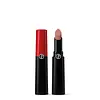 Key Ingredients
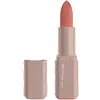
Benefits
Concerns
Ingredients Side-by-side
Dimethicone
Emollient

Bis-Diglyceryl Polyacyladipate-2
Emollient


Phenyl Trimethicone
Skin Conditioning
Tridecyl Trimellitate
EmollientHydrogenated Polyisobutene
EmollientCI 77491
Cosmetic ColorantCI 77891
Cosmetic ColorantHydrogenated Jojoba Oil
Abrasive

Dimethicone Crosspolymer
Emulsion Stabilising
Mica
Cosmetic ColorantIsostearyl Isostearate
Emollient


Kaolin
Abrasive


Paraffin
Skin Conditioning
Isohexadecane
EmollientNylon-12

Vinyl Dimethicone/Methicone Silsesquioxane Crosspolymer
Microcrystalline Wax
Emulsion StabilisingCI 77492
Cosmetic ColorantPolyethylene
Abrasive
Synthetic Wax
Abrasive
CI 15850
Cosmetic ColorantTriethoxysilylethyl Polydimethylsiloxyethyl Dimethicone
Skin Conditioning
Isopropyl Titanium Triisostearate
Emollient
CI 42090
Cosmetic ColorantAlumina
Abrasive
Pentaerythrityl Tetra-Di-T-Butyl Hydroxyhydrocinnamate
Antioxidant
Olea Europaea Fruit Oil
Masking
Tocopherol
Antioxidant





Citric Acid
Buffering
Dimethicone, Bis-Diglyceryl Polyacyladipate-2, Phenyl Trimethicone, Tridecyl Trimellitate, Hydrogenated Polyisobutene, CI 77491, CI 77891, Hydrogenated Jojoba Oil, Dimethicone Crosspolymer, Mica, Isostearyl Isostearate, Kaolin, Paraffin, Isohexadecane, Nylon-12, Vinyl Dimethicone/Methicone Silsesquioxane Crosspolymer, Microcrystalline Wax, CI 77492, Polyethylene, Synthetic Wax, CI 15850, Triethoxysilylethyl Polydimethylsiloxyethyl Dimethicone, Isopropyl Titanium Triisostearate, CI 42090, Alumina, Pentaerythrityl Tetra-Di-T-Butyl Hydroxyhydrocinnamate, Olea Europaea Fruit Oil, Tocopherol, Citric Acid
Dimethicone
Emollient
Bis-Diglyceryl Polyacyladipate-2
Emollient
Isohexadecane
EmollientHydrogenated Polyisobutene
EmollientPhenyl Trimethicone
Skin Conditioning
Tridecyl Trimellitate
EmollientHydrogenated Jojoba Oil
Abrasive
Dimethicone Crosspolymer
Emulsion Stabilising
Kaolin
Abrasive
Cellulose
Absorbent
Isostearyl Isostearate
Emollient
Paraffin
Skin Conditioning
Cera Microcristallina
Emulsion StabilisingPolyethylene
Abrasive
Synthetic Wax
Abrasive
Ethylhexyl Palmitate
Emollient
Pentaerythrityl Tetra-Di-T-Butyl Hydroxyhydrocinnamate
Antioxidant
Sclerocarya Birrea Seed Oil
Humectant
Moringa Oleifera Seed Oil
Emollient
Persea Gratissima Oil
Skin Conditioning
Tocopherol
Antioxidant
Aluminum Hydroxide
EmollientGlycine Soja Oil
Emollient
Trihydroxystearin
Skin Conditioning
Silica
Abrasive
Sodium Hyaluronate
Humectant
Glucomannan
Skin ConditioningHelianthus Annuus Seed Oil
Emollient
Rosmarinus Officinalis Leaf Extract
AntimicrobialParfum
Masking
CI 15850
Cosmetic ColorantCI 77491
Cosmetic ColorantCI 77492
Cosmetic ColorantCI 77499
Cosmetic ColorantMica
Cosmetic ColorantCI 15985
Cosmetic ColorantCI 19140
Cosmetic ColorantCI 42090
Cosmetic ColorantCI 45380
Cosmetic ColorantCI 45410
Cosmetic ColorantCI 77891
Cosmetic ColorantDimethicone, Bis-Diglyceryl Polyacyladipate-2, Isohexadecane, Hydrogenated Polyisobutene, Phenyl Trimethicone, Tridecyl Trimellitate, Hydrogenated Jojoba Oil, Dimethicone Crosspolymer, Kaolin, Cellulose, Isostearyl Isostearate, Paraffin, Cera Microcristallina, Polyethylene, Synthetic Wax, Ethylhexyl Palmitate, Pentaerythrityl Tetra-Di-T-Butyl Hydroxyhydrocinnamate, Sclerocarya Birrea Seed Oil, Moringa Oleifera Seed Oil, Persea Gratissima Oil, Tocopherol, Aluminum Hydroxide, Glycine Soja Oil, Trihydroxystearin, Silica, Sodium Hyaluronate, Glucomannan, Helianthus Annuus Seed Oil, Rosmarinus Officinalis Leaf Extract, Parfum, CI 15850, CI 77491, CI 77492, CI 77499, Mica, CI 15985, CI 19140, CI 42090, CI 45380, CI 45410, CI 77891
Ingredients Explained
These ingredients are found in both products.
Ingredients higher up in an ingredient list are typically present in a larger amount.
Bis-Diglyceryl Polyacyladipate-2 is a synthetic emollient that works as a lanolin substitute.
This ingredient is a great vegan option for those avoiding animal-derived ingredients.
It mostly stays on the surface of skin where it helps hydrate due to its large molecular size and low water solubility.
Due to it being derived from fatty acids, this ingredient may not be Malassezia or fungal acne safe.
Learn more about Bis-Diglyceryl Polyacyladipate-2Ci 15850 is the pigment color red. It is an azo dye and created synthetically.
Azo dyes need to be thoroughly purified before use. This allows them to be more stable and longer-lasting.
This ingredient is common in foundations, lipsticks, and blushes. This color is described as brown/orangey red.
It has many secondary names such as Red 6 and Red 7. According to a manufacturer, Red 6 usually contains aluminum.
Learn more about CI 15850Ci 42090 is a synthetic dye created from petroleum. It is used to give a bright blue color to cosmetics, medicine, and food.
Ci 77491 is also hydrated iron III oxide. It's sole purpose is to give a red/pink hue to products.
Iron III oxides are classified as inorganic chemicals for coloring.
Synthetically created Ci 77491 is considered safer than those naturally found. This is because the synthetically created version may contain less impurities. Iron oxides are generally non-toxic and non-allergenic.
Learn more about CI 77491CI 77492 is also hydrated iron III oxide. It's sole purpose is to give a yellow hue to products.
Iron III oxides are classified as inorganic chemicals for coloring.
Synthetically created CI 77492 is considered safer than those naturally found. This is because the synthetically created version may contain less impurities. Iron oxides are generally non-toxic and non-allergenic.
Learn more about CI 77492Ci 77891 is a white pigment from Titanium dioxide. It is naturally found in minerals such as rutile and ilmenite.
It's main function is to add a white color to cosmetics. It can also be mixed with other colors to create different shades.
Ci 77891 is commonly found in sunscreens due to its ability to block UV rays.
Learn more about CI 77891Dimethicone is a type of synthetic silicone created from natural materials such as quartz. It is also known as polydimethylsiloxane.
What it does:
Dimethicone comes in different viscosities:
Depending on the viscosity, dimethicone has different properties.
Ingredients lists don't always show which type is used, so we recommend reaching out to the brand if you have questions about the viscosity.
This ingredient is unlikely to cause irritation because it does not get absorbed into skin. However, people with silicone allergies should be careful about using this ingredient.
Note: Dimethicone may contribute to pilling. This is because it is not oil or water soluble, so pilling may occur when layered with products. When mixed with heavy oils in a formula, the outcome is also quite greasy.
Learn more about DimethiconeDimethicone Crosspolymer is a silicone created by modifying dimethicone with hydrocarbon side chains. Due to its large size, it does not penetrate skin. It is considered non-occlusive.
Dimethicone Crosspolymer is used to stabilize and thicken products. It also helps give products a silky feel.
Hydrogenated Jojoba Oil is the "hardened version" of jojoba oil; jojoba oil is technically not an oil at all but a liquid wax that has a structure similar to your skin's own sebum.
Adding hydrogen turns this liquid wax into a colorless, odorless, hard wax with a melting point of around 70°C. This is why you'll see it in "stick formulations" like lipstick, eyeliner, and lip balm.
It also acts as a cushiony emollient and skin conditioning agent that leaves skin soft and smooth.
The safety profile of this ingredient is reassuring; the Cosmetic Ingredient Review Expert Panel has concluded this ingredient to be safe in cosmetics and that it isn't am irritant or sensitizer.
Typical use levels range from 1% up to 25-31% in stick products.
Learn more about Hydrogenated Jojoba OilHydrogenated Polyisobutene is a synthetic polymer. Polymers are compounds with high molecular weight. Hydrogenated Polyisobutene is an emollient and texture enhancer.
In one study, Hydrogenated Polyisobutene showed better skin hydration levels than Caprylic/Capric Triglyceride. As an emollient, it helps keep your skin soft and hydrated by trapping moisture in.
Hydrogenated Polyisobutene is often used as a mineral oil replacement.
Learn more about Hydrogenated PolyisobuteneIsohexadecane is added to enhance texture, emulsify, and to help cleanse. It is an isoparrafin. It is a component of petrolatum.
Due to its large size, Isohexadecane is not absorbed by the skin. Instead, it sits on top and acts as an emollient. Emollients help keep your skin soft and smooth by trapping moisture within.
Isohexadecane is often used in products designed to help oily skin. It is lightweight and non-greasy while helping to moisturize. When mixed with silicones, it gives a product a silky feel.
Learn more about IsohexadecaneIsostearyl Isostearate is a plant-based and vegan emollient ester made by reacting Isostearyl Alcohol and Isostearic Acid.
It helps improve how the product spreads on skin, acts as a binding agent for makeup powders without modifying pigment color, and softens skin while helping it hold onto water.
This ingredient is very interesting as a hydrator; most moisturizers are either occlusives, humectants, or emollients. Isostearyl isostearate works through another route named "internal occlusion" by the head researcher.
Isostearyl isostearate nudges the skin's own lipids into a denser, more tightly packed arrangement. Packing the deeper layers of the stratum corneum together more efficiently means less water is able to escape.
This is a barrier-improving mechanism that hadn't been described before and plastic occlusion stress tests confirmed it improved the skin's water-permeability barrier function
Just one thing worth noting from the same review: this ingredient increased the penetration rate of a test drug through excised human skin. Though this ingredient is not classified as a penetration enhancer, it does interact with the barrier rather than sitting totally inert on top.
This ingredient does have a comedogenic rating of 4, but this doesn’t mean a formula with this ingredient will clog pores. Human testing has proved that any finished product with this ingredient won’t automatically make you break out; it really comes down to concentration, formula, and your skin.
Fungal acne:
The Malassezia yeast feeds on fatty acids and esters in the C11-24 range. Since both halves of this molecules are C18, it may not be fungal acne safe.
Kaolin is a clay. It is used for oil control and to help minimize pores. Like other clays, kaolin has the ability to absorb excess sebum or oil. This can help clean out pores and mattify the skin.
Some types of kaolin may have exfoliating properties. When water is added to kaolin, it becomes a paste with small abrasive particles.
Most kaolin is a white color, but may be pink/orange/red depending on where it comes from.
The name 'kaolin' comes from a Chinese village named 'Gaoling'. Kaolin clay comes from rocks rich in kaolinite. Kaolinite, the mineral, has a silicate layered structure. Kaolinite is formed from chemical weathering of aluminum siilicate minerals.
Besides skincare, kaolin is commonly used to make glossy paper, in ceramics, toothpaste, and as medicine to soothe stomach issues.
Learn more about KaolinMica is a naturally occurring mineral used to add shimmer and color in cosmetics. It can also help improve the texture of a product or give it an opaque, white/silver color.
Serecite is the name for very fine but ragged grains of mica.
This ingredient is often coated with metal oxides like titanium dioxide. Trace amounts of heavy metals may be found in mica, but these metals are not harmful in our personal products.
Mica has been used since prehistoric times throughout the world. Ancient Egyptian, Indian, Greek, Roman, Aztec, and Chinese civilizations have used mica.
Learn more about MicaParaffin is a solid wax that pulls its weight as an emollient, occlusive, and consistency-booster.
It softens skin and lays down a protective film to slow water loss and gives products a stable body and structure.
The cosmetic grade stuff is highly refined with a solid safety record. The CIR Expert Panel has repeatedly reaffirmed this ingredient to be safe in current practices of use and concentration.
The worry about carcinogenic compounds only applies to industrial grades, not the purified version used in skincare.
Despite its reputation, the highly reformed form is non-comedogenic and doesn't penetrate deeply into skin.
The good news for fungal-acne prone folks: the Malassezia yeast feeds on fatty acids and lipids and paraffin doesn't contain any of these (so there's nothing for the yeast to metabolize). This ingredient is considered fungal acne safe.
Learn more about ParaffinPentaerythrityl Tetra-Di-T-Butyl Hydroxyhydrocinnamate (long name, huh?) is a synthetic antioxidant.
It is used to help stabilize other antioxidants or prevent the color from changing in a product.
As an antioxidant, it helps fight free-radical molecules. Free-radical molecules are capable of damaging our cells and other genetic material. Thus, antioxidants may reduce the signs of aging.
This ingredient is oil-soluble.
Learn more about Pentaerythrityl Tetra-Di-T-Butyl HydroxyhydrocinnamatePhenyl Trimethicone is a silicon-based polymer. It is derived from silica.
Phenyl Trimethicone is used as an emollient and prevents products from foaming.
As an emollient, it helps trap moisture in the skin. It is considered an occlusive.
Learn more about Phenyl TrimethiconePolyethylene is a synthetic ingredient that helps the skin retain moisture. It is a polymer.
It is also typically used within product formulations to help bind solid ingredients together and thicken oil-based ingredients. When added to balms and emulsions, it helps increase the melting point temperature.
Synthetic Wax is a manufactured hydrocarbon wax. In formulas, it works as an occlusive emollient that helps reduce water loss and improves the spreadability of products.
Research comparing synthetic wax to traditional mineral-derived products found that formulas containing it perform as well for skin hydration.
It is considered non-comedogenic and vegan-friendly.
This ingredient has a well-established safety record by the CIR Expert Panel for Cosmetic Ingredient Safety.
Synthetic Waxes are straight/branched-chain hydrocarbons with no ester bond or fatty acids. That means there is nothing for the Malassezia yeast to feed on.
Learn more about Synthetic WaxTocopherol is a fat-soluble antioxidant known as Vitamin E.
You'll find this ingredient in the vast majority of skincare (for good reason). It works to neutralize free radicals, or unstable molecules generated by UV exposure, pollution, and other environmental stressors, before they can cause oxidative damage to your skin cells.
Topically applied tocopherol has been shown to protect against UV damage by ramping up the skin's own natural defense enzymes.
It also acts as a skin conditioning agent; some studies show that regular topical use can improve the skin's water-binding capacity over 2-4 weeks.
This ingredient is especially loved for being a team player. When combined with Vitamin C, the photoprotective effect of both ingredients roughly doubles and the combo also helps reduce UV-induced DNA damage.
This ingredient has some brightening potential but it's more of a prevention ingredient than spot-fader. Cell studies show it can slow down melanin production but it's worth noting that it's not the most powerful brightener out there.
In formulations, it also serves as a stabilizer that helps protect other oxidation-prone ingredients from degrading.
Concentrations usually range from 0.1-1% in most leave-on products.
Learn more about TocopherolTridecyl Trimellitate is a synthetic ingredient with emollient and skin conditioning properties. It also acts as a texture enhancer and helps products spread easily without feeling greasy.
As an emollient, it forms a light layer on the skin that keeps moisture in and improves water resistance. This is why you'll often find this ingredient in eye creams and other rich treatments.
This ingredient is seen as the elegant alternative to mineral oil.
Learn more about Tridecyl Trimellitate

