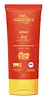
This hybrid sunscreen covers the full UV range and blocks ~98% of UVB at SPF 50.
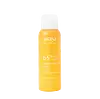
This chemical sunscreen covers the full UV range and blocks ~98% of UVB at SPF 65.

What's inside
What's inside
 Key Ingredients
Benefits
Concerns
Ingredients Side-by-side
Water
Skin ConditioningC12-15 Alkyl Benzoate
AntimicrobialCaprylyl Methicone
Skin Conditioning
Aloe Barbadensis Leaf Juice
Skin Conditioning


Sodium Acrylates Copolymer
Methylene Bis-Benzotriazolyl Tetramethylbutylphenol
UV Filter
Bis-Ethylhexyloxyphenol Methoxyphenyl Triazine
UV Absorber
Ethylhexyl Triazone
UV Absorber
Diethylamino Hydroxybenzoyl Hexyl Benzoate
UV Filter
Glycerin
Humectant

Dimethicone
Emollient
Acrylates/C12-22 Alkyl Methacrylate Copolymer
Titanium Dioxide
Cosmetic Colorant
Zinc Oxide
Cosmetic Colorant
Biosaccharide Gum-4
Skin Conditioning
Sodium Hyaluronate
Humectant

Solanum Lycopersicum Fruit Extract
Antioxidant
Vaccinium Angustifolium Fruit Extract
Skin Protecting
Citrus Paradisi Fruit Extract
Skin ConditioningLaminaria Digitata Extract
Skin Protecting

Ceramide EOP
Skin Conditioning
Ceramide Ns
Skin Conditioning
Ceramide Ng
Skin Conditioning
Ceramide NP
Skin Conditioning
Ceramide As
Skin Conditioning
Ceramide AP
Skin Conditioning
Xylitylglucoside
Humectant
Anhydroxylitol
Humectant
Xylitol
Humectant
Arginine
Masking
Trehalose
Humectant
Allantoin
Skin Conditioning
1,2-Hexanediol
Skin Conditioning
Tocopheryl Acetate
Antioxidant

Xanthan Gum
EmulsifyingHydrogenated Lecithin
Emulsifying
Cetyl-Pg Hydroxyethyl Palmitamide
Skin ConditioningPropylene Glycol
Humectant
Phenoxyethanol
Preservative
Lecithin
Emollient
Glyceryl Stearate
Emollient
Triethoxycaprylylsilane
Silica
Abrasive

Glyceryl Glucoside
Humectant
Coco-Glucoside
Cleansing
Disodium Lauryl Sulfosuccinate
CleansingEthylhexylglycerin
Skin ConditioningDecyl Glucoside
Cleansing
Citric Acid
Buffering
Water, C12-15 Alkyl Benzoate, Caprylyl Methicone, Aloe Barbadensis Leaf Juice, Sodium Acrylates Copolymer, Methylene Bis-Benzotriazolyl Tetramethylbutylphenol, Bis-Ethylhexyloxyphenol Methoxyphenyl Triazine, Ethylhexyl Triazone, Diethylamino Hydroxybenzoyl Hexyl Benzoate, Glycerin, Dimethicone, Acrylates/C12-22 Alkyl Methacrylate Copolymer, Titanium Dioxide, Zinc Oxide, Biosaccharide Gum-4, Sodium Hyaluronate, Solanum Lycopersicum Fruit Extract, Vaccinium Angustifolium Fruit Extract, Citrus Paradisi Fruit Extract, Laminaria Digitata Extract, Ceramide EOP, Ceramide Ns, Ceramide Ng, Ceramide NP, Ceramide As, Ceramide AP, Xylitylglucoside, Anhydroxylitol, Xylitol, Arginine, Trehalose, Allantoin, 1,2-Hexanediol, Tocopheryl Acetate, Xanthan Gum, Hydrogenated Lecithin, Cetyl-Pg Hydroxyethyl Palmitamide, Propylene Glycol, Phenoxyethanol, Lecithin, Glyceryl Stearate, Triethoxycaprylylsilane, Silica, Glyceryl Glucoside, Coco-Glucoside, Disodium Lauryl Sulfosuccinate, Ethylhexylglycerin, Decyl Glucoside, Citric Acid
Alcohol Denat. 95%
Antimicrobial


Homosalate
Skin Conditioning
Ethylhexyl Methoxycinnamate
UV Absorber
Ethylhexyl Salicylate
UV Absorber
Butyl Methoxydibenzoylmethane
UV Absorber


Alcohol Denat. 95%, Homosalate, Ethylhexyl Methoxycinnamate, Ethylhexyl Salicylate, Butyl Methoxydibenzoylmethane, Parfum, Polysorbate 20, Phenoxyethanol, Triethylene Glycol, Aloe Barbadensis Leaf Juice, Bis-Ethylhexyloxyphenol Methoxyphenyl Triazine, Diethylhexyl Butamido Triazone, BHT, Triethanolamine
Ingredients Explained
These ingredients are found in both products.
Ingredients higher up in an ingredient list are typically present in a larger amount.
Aloe Barbadensis Leaf Juice is the filtered, stabilized liquid pressed from the inner gel of the aloe vera leaf.
In cosmetics, it shows up as either soothing active or a water-replacement base. It is roughly 98-99% water and the last 1-2% is an interesting mix of polysaccharides, amino acids, vitamins, minerals, and enzymes.
The polysaccharides do most of the work: they bind water at the skin surface for a light, non-greasy hydration boost. And one of the polysaccharides, glycomannan, is linked to fibroblast stimulation + collagen synthesis. This is also why aloe has such a long track record in wound and burn healing.
This ingredient is also calming with anti-inflammatory and mild antimicrobial activity, making it a great pick for sensitive, irritated, or post-sun skin.
Realistic expectations matter though; the solid evidence is mostly limited to hydration, soothing, and wound support. Deeper claims about anti-aging or sun protection are not well backed, and science reviews note it does not prevent radiation-induced skin injury.
Because it plays well with almost everything, it's commonly used as a base alongside other actives like niacinamide or vitamin C.
Typical usage concentrations range from 0.5% (where hydration benefits already show up) all the way to 90%+ (where it replaces water as the main base).
The safety for this ingredient is well-establish as well. Overall, this is a great supporting ingredient for those who want a boost in hydration.
Learn more about Aloe Barbadensis Leaf JuiceThis ingredient is better known as bemotrizinol or Tinosorb S and is one of the best broad-spectrum UV filters in modern sunscreen.
It works by absorbing UV light across a whole range (280-400 nm) with peaks around 310 nm (UVB) and 340-345 nm (UVA). This means it covers UVB plus the deeper UVA wavelengths that drive photoaging and pigmentation.
Another pro?
It's exceptionally photostable, barely degrades in sunlight, and acts as a "bodyguard" for less stable filters.
That's why you'll see it paired with avobenzone or octinoxate; this team up ensures they keep working through sun exposure.
Safety reviews have been reassuring across the board. This ingredient shows low absorption through the skin, rarely irritates, and lab studies found it doesn't act like a hormone in the body (a concern that's been raised about some older sunscreen filters).
On maximum concentrations:
In 2026, the US F.D.A finally added it as an OTC sunscreen ingredient at concentrations up to 6% for adults / children 6 months and older
Learn more about Bis-Ethylhexyloxyphenol Methoxyphenyl TriazinePhenoxyethanol is one of the most widely used preservatives in skincare (and for good reason!).
It has a large spectrum of antimicrobial activity and especially effective bacteria, yeast, and mold while only having a weak effect on your skin's natural microbiome.
On a cellular level, it disrupts the cell membranes of microbes by poking holes that make the cell leak. This shuts down the chemical reactions the microbe needs to make energy so it can no longer survive.
Another perk of this ingredient is that it stays functional across a wide pH range (3-10).
You'll often see it paired with boosters like Ethylhexylglycerin; one study showed that a 1:9 ratio of Ethylhexylglycerin to Phenoxyethanol damages bacterial membranes as effectively as doubling the Phenoxyethanol concentration on its own.
Typical use concentrations range from 0.3-1% depending on the formula, and this ingredient is capped at 1% int the EU.
Safety-wise, the fear mongering does not hold up to the evidence. The EU's Scientific Committee on Consumer Safety and FDA consider it safe as a preservative at up to 1%, including for children of all ages.
Adverse systemic effects only showed up in animal studies at exposures roughly 200x higher than what people get from cosmetics. And despite its very widespread use, this ingredient is a rare sensitizer and allergic reactions are uncommon.
Learn more about Phenoxyethanol

