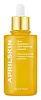
This hydrating essence is formulated around Sodium Hyaluronate and Calendula Officinalis Flower to hydrate skin and calm redness.
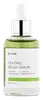
This calming serum is formulated around Melaleuca Alternifolia Leaf Water and Centella Asiatica Leaf Water to calm redness and clear breakouts.

What's inside
What's inside
 Key Ingredients
Benefits
Concerns
No concerns
Ingredients Side-by-side
Methylpropanediol
SolventButylene Glycol
Humectant

Pentylene Glycol
Skin Conditioning
Betaine
Humectant
Xylitol
Humectant
Sodium Hyaluronate
Humectant


Sodium Hyaluronate Crosspolymer
Humectant
Sodium Acetylated Hyaluronate
Humectant
Hydroxypropyltrimonium Hyaluronate
Hydrolyzed Hyaluronic Acid
Humectant
Lavandula Angustifolia Flower/Leaf/Stem Extract
Masking

Pueraria Lobata Root Extract
HumectantPinus Palustris Leaf Extract
TonicUlmus Davidiana Root Extract
Skin Conditioning
Oenothera Biennis Flower Extract
AstringentCalendula Officinalis Flower
Skin Conditioning
Citrus Sinensis Peel Oil Expressed
Perfuming

Allantoin
Skin Conditioning
Polyquaternium-51
Skin Conditioning
Glyceryl Acrylate/Acrylic Acid Copolymer
HumectantAcrylates/C10-30 Alkyl Acrylate Crosspolymer
Emulsion StabilisingC12-14 Pareth-12
EmulsifyingXanthan Gum
EmulsifyingTromethamine
BufferingCitric Acid
Buffering


Methylpropanediol, Butylene Glycol, Pentylene Glycol, Betaine, Xylitol, Sodium Hyaluronate, Sodium Hyaluronate Crosspolymer, Sodium Acetylated Hyaluronate, Hydroxypropyltrimonium Hyaluronate, Hydrolyzed Hyaluronic Acid, Lavandula Angustifolia Flower/Leaf/Stem Extract, Pueraria Lobata Root Extract, Pinus Palustris Leaf Extract, Ulmus Davidiana Root Extract, Oenothera Biennis Flower Extract, Calendula Officinalis Flower, Citrus Sinensis Peel Oil Expressed, Allantoin, Polyquaternium-51, Glyceryl Acrylate/Acrylic Acid Copolymer, Acrylates/C10-30 Alkyl Acrylate Crosspolymer, C12-14 Pareth-12, Xanthan Gum, Tromethamine, Citric Acid
Melaleuca Alternifolia Leaf Water
Antimicrobial

Centella Asiatica Leaf Water
Skin Conditioning
Butylene Glycol
Humectant
1,2-Hexanediol
Skin Conditioning
Niacinamide
Smoothing



Glycereth-26
Humectant
Triticum Vulgare Sprout Extract
Skin ConditioningBrassica Oleracea Italica Extract
AstringentPortulaca Oleracea Extract
Skin Conditioning
Brassica Oleracea Capitata Leaf Extract
Skin ConditioningMedicago Sativa Extract
TonicRaphanus Sativus Seed Extract
Skin ConditioningBeta-Glucan
Skin Conditioning
Perilla Frutescens Leaf Extract
MaskingBrassica Campestris Extract
Skin ConditioningAspalathus Linearis Extract
Skin ConditioningCommiphora Myrrha Resin Extract
Skin ConditioningCentella Asiatica Extract
Cleansing
Glycyrrhiza Glabra Root Extract
Bleaching
Water
Skin ConditioningBetaine
Humectant
Allantoin
Skin Conditioning
Chlorophyllin-Copper Complex
Antioxidant
Cellulose Gum
Emulsion StabilisingXanthan Gum
EmulsifyingDipotassium Glycyrrhizate
Humectant
Adenosine
Skin Conditioning
Sodium Hyaluronate
Humectant
Glycerin
Humectant
Pentylene Glycol
Skin Conditioning
Caprylyl Glycol
Emollient
Ethylhexylglycerin
Skin ConditioningMelaleuca Alternifolia Leaf Water, Centella Asiatica Leaf Water, Butylene Glycol, 1,2-Hexanediol, Niacinamide, Glycereth-26, Triticum Vulgare Sprout Extract, Brassica Oleracea Italica Extract, Portulaca Oleracea Extract, Brassica Oleracea Capitata Leaf Extract, Medicago Sativa Extract, Raphanus Sativus Seed Extract, Beta-Glucan, Perilla Frutescens Leaf Extract, Brassica Campestris Extract, Aspalathus Linearis Extract, Commiphora Myrrha Resin Extract, Centella Asiatica Extract, Glycyrrhiza Glabra Root Extract, Water, Betaine, Allantoin, Chlorophyllin-Copper Complex, Cellulose Gum, Xanthan Gum, Dipotassium Glycyrrhizate, Adenosine, Sodium Hyaluronate, Glycerin, Pentylene Glycol, Caprylyl Glycol, Ethylhexylglycerin
Reviews
Ingredients Explained
These ingredients are found in both products.
Ingredients higher up in an ingredient list are typically present in a larger amount.
Allantoin is a soothing ingredient known for its protective and moisturizing properties; it's basically a quiet workhorse ingredient you can find in a huge range of cosmetics.
Though it can be derived from the comfrey plant, allantoin is produced synthetically for cosmetic products to ensure purity.
Research shows it can encourage your skin cells to turn over and renew by stimulating keratinocyte and fibroblast proliferation.
It also has mild keratolytic properties to help loosen and shed dead skin cells without being harsh.
Studies also suggest allantoin can help calm inflammation by dialing down some of the chemical signals your skin sends out when it is irritated.
This ingredient is typically used in the 0.1-0.5% range, and the FDA recognizes it as a skin protectant in OTC products up to 2%.
Overall, allantoin is a wonderful addition to most routines; it is stable across a wide pH range (~4-8), works well with other ingredients, and is considered non-sensitizing/non-irritating.
Fun fact: Allantoin is naturally occurring in comfrey root, beets, chamomile, and wheat sprouts. Our bodies even produce it as a byproduct of uric acid metabolism.
Learn more about AllantoinBetaine is a humectant. Like hyaluronic acid, it helps attract and retain moisture in the skin. It’s known for being gentle and for helping the skin maintain balanced hydration.
Betaine is mainly used to improve hydration and support calmer skin. It helps skin cells regulate water balance because it functions as an osmolyte.
Some studies suggest betaine may support making skin tone more even.
Fun fact: Betaine naturally exists in the skin and the body. In cosmetic products, it can be either plant-derived (most commonly from sugar beets) or synthetically produced for consistency and stability.
Betaine is also known as trimethylglycine.
Learn more about BetaineButylene Glycol (or BG) is used within cosmetic products for a few different reasons:
Overall, Butylene Glycol is a safe and well-rounded ingredient that works well with other ingredients.
Though this ingredient works well with most skin types, some people with sensitive skin may experience a reaction such as allergic rashes, closed comedones, or itchiness.
Learn more about Butylene GlycolPentylene Glycol (1,2-pentanediol) is a multitasking little diol with three main roles in a formula:
Research on alkanediols (the family pentylene glycol belongs to) show they work by disrupting microbial cell membranes. This disruption helps the primary preservative system in a product work more effectively at lower doses.
On the safety side, the Cosmetic Ingredient Review Expert Panel has concluded this ingredient to be safe as used in current cosmetic practices + concentrations.
Typical use levels in a formula run about 1-5%.
Learn more about Pentylene GlycolSodium Hyaluronate is the salt form of hyaluronic acid. It is a long sugar chain that is naturally found in your skin, joints, and connective tissue that maintains hydration and elasticity.
In skincare, it works as a humectant. It pulls water from the environment and deeper layers of skin and binds it to the surface.
Interestingly, the size of the molecule affects its behavior:
Some clinical evidence links low molecular weight versions to improved wrinkle depth, elasticity, anti-inflammatory effects, and barrier repair.
Many serums use a blend of both weights so you can get surface hydration plus longer-lasting and deeper effects.
You'll typically see concentrations between 0.1-2% for this ingredient.
Learn more about Sodium HyaluronateXanthan gum is used as a stabilizer and thickener within cosmetic products. It helps give products a sticky, thick feeling - preventing them from being too runny.
On the technical side of things, xanthan gum is a polysaccharide - a combination consisting of multiple sugar molecules bonded together.
Xanthan gum is a pretty common and great ingredient. It is a natural, non-toxic, non-irritating ingredient that is also commonly used in food products.
Learn more about Xanthan Gum

