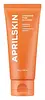
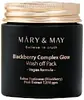
APRILSKIN Carrotene Quick Dry Pore Tightening Clay Mask Versus Mary & May Blackberry Complex Glow Wash Off Pack
This wash off mask is made with Bentonite and Daucus Carota Sativa Root Extract for a rinse-off oil-control boost.

What's inside
What's inside
 Key Ingredients
Benefits
Concerns
Ingredients Side-by-side
Water
Skin ConditioningCI 77004
Cosmetic ColorantBentonite
Absorbent


Methylpropanediol
Solvent1,2-Hexanediol
Skin Conditioning
Sodium Hyaluronate
Humectant



Chlorella Vulgaris Extract
Skin ConditioningCitrus Aurantium Bergamia Fruit Oil
Masking



Citrus Aurantium Dulcis Peel Oil
Masking
Citrus Grandis Peel Oil
Masking

Cynanchum Atratum Extract
Skin ConditioningDaucus Carota Sativa Root Extract
Skin Conditioning
Althaea Rosea Flower Extract
Skin ConditioningCanola Oil
Emollient



Daucus Carota Sativa Seed Oil
Emollient
Helianthus Annuus Seed Oil
Emollient
Daucus Carota Sativa Root Water
MaskingTetrasodium Pyrophosphate
BufferingMagnesium Aluminum Silicate
Absorbent
Caprylyl Glycol
Emollient
Cellulose
Absorbent
Glucose
Humectant
Butylene Glycol
Humectant
Allantoin
Skin Conditioning
Fructooligosaccharides
Humectant
Fructose
Humectant
Ethylhexylglycerin
Skin ConditioningSodium Phytate
ChelatingTocopherol
Antioxidant



Canadian Colloidal Clay
Skin ConditioningCapryloyl Salicylic Acid
Exfoliating

Gluconolactone
Chelating

Zinc PCA
Humectant
Montmorillonite
AbsorbentIllite
Abrasive
Beta-Carotene
Skin ConditioningTocopheryl Acetate
Antioxidant
Xanthan Gum
EmulsifyingCaffeine
Skin Conditioning
O-Cymen-5-Ol
Antimicrobial
Limonene
Perfuming
CI 77491
Cosmetic ColorantCI 77492
Cosmetic ColorantWater, CI 77004, Bentonite, Methylpropanediol, 1,2-Hexanediol, Sodium Hyaluronate, Chlorella Vulgaris Extract, Citrus Aurantium Bergamia Fruit Oil, Citrus Aurantium Dulcis Peel Oil, Citrus Grandis Peel Oil, Cynanchum Atratum Extract, Daucus Carota Sativa Root Extract, Althaea Rosea Flower Extract, Canola Oil, Daucus Carota Sativa Seed Oil, Helianthus Annuus Seed Oil, Daucus Carota Sativa Root Water, Tetrasodium Pyrophosphate, Magnesium Aluminum Silicate, Caprylyl Glycol, Cellulose, Glucose, Butylene Glycol, Allantoin, Fructooligosaccharides, Fructose, Ethylhexylglycerin, Sodium Phytate, Tocopherol, Canadian Colloidal Clay, Capryloyl Salicylic Acid, Gluconolactone, Zinc PCA, Montmorillonite, Illite, Beta-Carotene, Tocopheryl Acetate, Xanthan Gum, Caffeine, O-Cymen-5-Ol, Limonene, CI 77491, CI 77492
Water
Skin ConditioningKaolin
Abrasive
Glycerin
Humectant
Bentonite
Absorbent
1,2-Hexanediol
Skin Conditioning
Dipropylene Glycol
HumectantRubus Idaeus Extract
Skin ProtectingMacrocystis Pyrifera Extract
Skin Conditioning
Tropaeolum Majus Flower/Leaf/Stem Extract
Skin ConditioningCamellia Sinensis Leaf Extract
Antimicrobial
Hydrogenated Lecithin
Emulsifying
Butylene Glycol
Humectant
Xanthan Gum
EmulsifyingEgg Shell Powder
Abrasive
Allantoin
Skin Conditioning
Fructooligosaccharides
Humectant
Manicouagan Clay
AbsorbentBeta-Glucan
Skin Conditioning
Canadian Colloidal Clay
Skin ConditioningTocopherol
Antioxidant
Saccharomyces Ferment Filtrate
Humectant
Illite
Abrasive
Hydrolyzed Hyaluronic Acid
Humectant
Montmorillonite
AbsorbentParfum
Masking
Ethylhexylglycerin
Skin ConditioningCI 77499
Cosmetic ColorantCI 77491
Cosmetic ColorantWater, Kaolin, Glycerin, Bentonite, 1,2-Hexanediol, Dipropylene Glycol, Rubus Idaeus Extract, Macrocystis Pyrifera Extract, Tropaeolum Majus Flower/Leaf/Stem Extract, Camellia Sinensis Leaf Extract, Hydrogenated Lecithin, Butylene Glycol, Xanthan Gum, Egg Shell Powder, Allantoin, Fructooligosaccharides, Manicouagan Clay, Beta-Glucan, Canadian Colloidal Clay, Tocopherol, Saccharomyces Ferment Filtrate, Illite, Hydrolyzed Hyaluronic Acid, Montmorillonite, Parfum, Ethylhexylglycerin, CI 77499, CI 77491
Reviews
Ingredients Explained
These ingredients are found in both products.
Ingredients higher up in an ingredient list are typically present in a larger amount.
1,2-Hexanediol is a synthetic liquid and another multi-functional powerhouse.
It is a:
- Humectant, drawing moisture into the skin
- Emollient, helping to soften skin
- Solvent, dispersing and stabilizing formulas
- Preservative booster, enhancing the antimicrobial activity of other preservatives
Allantoin is a soothing ingredient known for its protective and moisturizing properties; it's basically a quiet workhorse ingredient you can find in a huge range of cosmetics.
Though it can be derived from the comfrey plant, allantoin is produced synthetically for cosmetic products to ensure purity.
Research shows it can encourage your skin cells to turn over and renew by stimulating keratinocyte and fibroblast proliferation.
It also has mild keratolytic properties to help loosen and shed dead skin cells without being harsh.
Studies also suggest allantoin can help calm inflammation by dialing down some of the chemical signals your skin sends out when it is irritated.
This ingredient is typically used in the 0.1-0.5% range, and the FDA recognizes it as a skin protectant in OTC products up to 2%.
Overall, allantoin is a wonderful addition to most routines; it is stable across a wide pH range (~4-8), works well with other ingredients, and is considered non-sensitizing/non-irritating.
Fun fact: Allantoin is naturally occurring in comfrey root, beets, chamomile, and wheat sprouts. Our bodies even produce it as a byproduct of uric acid metabolism.
Learn more about AllantoinBentonite is an aluminium phyllosilicate clay with great absorbent properties. The name 'bentonite' comes from the area where the largest source is found: Fort Benton, Wyoming.
As a clay, bentonite is often used to absorb excess oil and provide exfoliation. It has also been shown to have some antibacterial and anti-inflammatory properties. Studies show bentonite was effective at calming dermatitis from poison ivy and in diaper dermatitis of infants. Bentonite has also been shown to act as a barrier against toxic compounds on your skin.
Sunscreens containing bentonite display higher water resistance and stay on the skin for much longer. The sunscreens containing bentonite also show higher potency and UV light absorbtion.
Bentonite is naturally created from volcanic ash and several natural weathering/hydrothermal processes.
A common usage of bentonite is removing excess protein from white wines. Bentonite contains a property of being able to absorb large amounts of protein from aqueous solutions.
Phyllosilicate clay has a structure formed by sheets.
Learn more about BentoniteButylene Glycol (or BG) is used within cosmetic products for a few different reasons:
Overall, Butylene Glycol is a safe and well-rounded ingredient that works well with other ingredients.
Though this ingredient works well with most skin types, some people with sensitive skin may experience a reaction such as allergic rashes, closed comedones, or itchiness.
Learn more about Butylene GlycolWe don't have a description for Canadian Colloidal Clay yet.
Ci 77491 is also hydrated iron III oxide. It's sole purpose is to give a red/pink hue to products.
Iron III oxides are classified as inorganic chemicals for coloring.
Synthetically created Ci 77491 is considered safer than those naturally found. This is because the synthetically created version may contain less impurities. Iron oxides are generally non-toxic and non-allergenic.
Learn more about CI 77491Ethylhexylglycerin is created from glycerin. It is a multitasker ingredient that:
The CIR Expert Panel found minimal skin absorption or sensitization of any kind in a safety assessment. Though this ingredient is considered well-tolerated, a small number of cases of allergic dermatitis have been published since 2002. Just be sure to patch test if you are unsure.
Industry-reported use ranges from 8% in rinse-off products and 2% in leave-on formulations.
Learn more about EthylhexylglycerinFructooligosaccharides (FOS) are a type of prebiotic sugar with humectant and skin conditioning properties. As a humectant, they help attract and hold moisture in the skin.
FOS essentially acts as a food source for the "good" bacteria on your skin and make it harder for "bad" bacteria to thrive. A 2022 study using a reconstructured human skin model found that just 1% of FOS was enough to shift the bacteria balance in favor of beneficial species. This suggests it could help support a healthier skin microbiome over time.
This ingredient has a low sensitization risk and testing shows it does not classify as a skin irritant or sensitizer.
FOS are usually produced from sugar beets and can also be found in foods like bananas, garlic, and onions.
Learn more about FructooligosaccharidesIllite is an exfoliant.
Montmorillonite is a clay (aluminomagnesium silicate) with strong absorption properties. It has a similar pH to skin.
This clay is named after Montmorillon in France.
Learn about other types of clay, such as Kaolin, Bentonite, or Fuller's Earth.
Learn more about MontmorilloniteTocopherol is a fat-soluble antioxidant known as Vitamin E.
You'll find this ingredient in the vast majority of skincare (for good reason). It works to neutralize free radicals, or unstable molecules generated by UV exposure, pollution, and other environmental stressors, before they can cause oxidative damage to your skin cells.
Topically applied tocopherol has been shown to protect against UV damage by ramping up the skin's own natural defense enzymes.
It also acts as a skin conditioning agent; some studies show that regular topical use can improve the skin's water-binding capacity over 2-4 weeks.
This ingredient is especially loved for being a team player. When combined with Vitamin C, the photoprotective effect of both ingredients roughly doubles and the combo also helps reduce UV-induced DNA damage.
This ingredient has some brightening potential but it's more of a prevention ingredient than spot-fader. Cell studies show it can slow down melanin production but it's worth noting that it's not the most powerful brightener out there.
In formulations, it also serves as a stabilizer that helps protect other oxidation-prone ingredients from degrading.
Concentrations usually range from 0.1-1% in most leave-on products.
Learn more about TocopherolWater. It's the most common cosmetic ingredient of all. You'll usually see it at the top of ingredient lists, meaning that it makes up the largest part of the product.
So why is it so popular? Water most often acts as a solvent - this means that it helps dissolve other ingredients into the formulation.
You'll also recognize water as that liquid we all need to stay alive. If you see this, drink a glass of water. Remember to stay hydrated!
Learn more about WaterXanthan gum is used as a stabilizer and thickener within cosmetic products. It helps give products a sticky, thick feeling - preventing them from being too runny.
On the technical side of things, xanthan gum is a polysaccharide - a combination consisting of multiple sugar molecules bonded together.
Xanthan gum is a pretty common and great ingredient. It is a natural, non-toxic, non-irritating ingredient that is also commonly used in food products.
Learn more about Xanthan Gum

