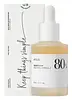
This calming ampoule is formulated around Houttuynia Cordata Extract and Panthenol to calm redness and hydrate skin.
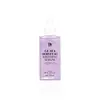
This calming serum is formulated around Niacinamide and Panthenol to calm redness and hydrate skin.

What's inside
What's inside
 Key Ingredients
Benefits
Ingredients Side-by-side
Psidium Guajava Leaf Water
Water
Skin ConditioningGlycerin
Humectant


Hydrogenated Poly(C6-14 Olefin)
EmollientButylene Glycol
Humectant
1,2-Hexanediol
Skin Conditioning
Niacinamide
Smoothing









Panthenol
Skin Conditioning
Hydroxyacetophenone
Antioxidant
Acrylates/C10-30 Alkyl Acrylate Crosspolymer
Emulsion StabilisingTromethamine
BufferingMelia Azadirachta Flower Extract
Skin ConditioningXanthan Gum
EmulsifyingAdenosine
Skin Conditioning
Coccinia Indica Fruit Extract
Skin Conditioning
Allantoin
Skin Conditioning
Glutathione
Hydrolyzed Hyaluronic Acid
Humectant
Tranexamic Acid
Astringent
Lactobacillus Extracellular Vesicles
Cynanchum Atratum Extract
Skin ConditioningCarnosine
Skin Conditioning
Madecassoside
Antioxidant
Camellia Japonica Callus Extract
Antioxidant
Centella Asiatica Callus Extracellular Vesicles
Daucus Carota Sativa Callus Culture Extract
Skin ConditioningPanax Ginseng Callus Culture Extract
Skin ConditioningOctyldodecanol
Emollient
Houttuynia Cordata Extract
Skin Conditioning
Sodium Guaiazulene Sulfonate
SurfactantSoluble Collagen
Humectant
Tocopherol
Antioxidant
Tremella Fuciformis Extract
Humectant
Mannose
HumectantHydrogenated Lecithin
Emulsifying
Ceramide NP
Skin Conditioning
Allium Sativum Bulb Extract
Skin ConditioningArtemisia Annua Extract
Masking
Camellia Sinensis Leaf Extract
Antimicrobial
Centella Asiatica Extract
Cleansing
Luffa Cylindrica Fruit Extract
Skin ConditioningPanax Ginseng Berry Extract
Skin Conditioning
Portulaca Oleracea Extract
Skin Conditioning
Psidium Guajava Fruit Extract
AstringentPsidium Guajava Leaf Extract
AstringentBeta-Glucan
Skin Conditioning
Glucose
Humectant
Caprylyl Glycol
Emollient
Sodium DNA
Skin Conditioning
Psidium Guajava Leaf Water, Water, Glycerin, Hydrogenated Poly(C6-14 Olefin), Butylene Glycol, 1,2-Hexanediol, Niacinamide, Panthenol, Hydroxyacetophenone, Acrylates/C10-30 Alkyl Acrylate Crosspolymer, Tromethamine, Melia Azadirachta Flower Extract, Xanthan Gum, Adenosine, Coccinia Indica Fruit Extract, Allantoin, Glutathione, Hydrolyzed Hyaluronic Acid, Tranexamic Acid, Lactobacillus Extracellular Vesicles, Cynanchum Atratum Extract, Carnosine, Madecassoside, Camellia Japonica Callus Extract, Centella Asiatica Callus Extracellular Vesicles, Daucus Carota Sativa Callus Culture Extract, Panax Ginseng Callus Culture Extract, Octyldodecanol, Houttuynia Cordata Extract, Sodium Guaiazulene Sulfonate, Soluble Collagen, Tocopherol, Tremella Fuciformis Extract, Mannose, Hydrogenated Lecithin, Ceramide NP, Allium Sativum Bulb Extract, Artemisia Annua Extract, Camellia Sinensis Leaf Extract, Centella Asiatica Extract, Luffa Cylindrica Fruit Extract, Panax Ginseng Berry Extract, Portulaca Oleracea Extract, Psidium Guajava Fruit Extract, Psidium Guajava Leaf Extract, Beta-Glucan, Glucose, Caprylyl Glycol, Sodium DNA
Reviews
Ingredients Explained
These ingredients are found in both products.
Ingredients higher up in an ingredient list are typically present in a larger amount.
1,2-Hexanediol is a synthetic liquid and another multi-functional powerhouse.
It is a:
- Humectant, drawing moisture into the skin
- Emollient, helping to soften skin
- Solvent, dispersing and stabilizing formulas
- Preservative booster, enhancing the antimicrobial activity of other preservatives
Butylene Glycol (or BG) is used within cosmetic products for a few different reasons:
Overall, Butylene Glycol is a safe and well-rounded ingredient that works well with other ingredients.
Though this ingredient works well with most skin types, some people with sensitive skin may experience a reaction such as allergic rashes, closed comedones, or itchiness.
Learn more about Butylene GlycolGlycerin (or glycerol) is a compound naturally found in your skin. It's a powerhouse humectant that pulls water into the stratum corneum.
Topically, glycerin does several things at once:
Your skin makes glycerin on its own (mostly from sebaceous oil breakdown) and shuttles it to your outermost layer of skin, or your epidermis, via aquaporin-3.
Aquaporin-3 is a transporter that is essential for normal skin hydration, elasticity, and repair. Interestingly, mice lacking in AQP3 have dry and less elastic skin that can be fully corrected with glycerin.
This ingredient is non-irritating, plays well with almost every ingredient, and works across all skin types. Typical use is anywhere between 3-10% but can go up to 79% in some leave-on products.
Just know very high concentrations (>40%) can feel tacky in low humidity.
Glycerin is the name for this ingredient in American English. British English uses Glycerol/Glycerine.
Learn more about GlycerinHouttuynia Cordata Extract is more commonly known as Heart Leaf, Fish Mint, or Chameleon plant.
The components found in Heart Leaf give it antioxidant, hydrating, antimicrobial, and anti-inflammatory properties.
Heart Leaf is rich in flavonoids such as quercetin, apigenin, and more. It also contains polysaccharides, the most common type of carbs in food.
Flavonoids have been shown to be effective antioxidants. They help neutralize free-radical molecules. Free-radical molecules are unstable molecules that may damage our skin cells and DNA. The flavonoids in Heart Leaf also help soothe the skin.
Polysaccharides are naturally found in our skin. They play a role in hydrating and repairing the top layer of skin. The polysaccharides in Heart Leaf help moisturize our skin.
Studies show decanoyl acetaldehyde, a component of Heart Leaf oil, is effective at killing bacteria.
The name 'Fish Mint' comes from the herb's natural fishy smell. Is is native to southeast Asia and used throughout the continent for traditional cooking and medicine.
Learn more about Houttuynia Cordata ExtractPanthenol is a common ingredient that helps hydrate and soothe the skin. It is found naturally in our skin and hair.
There are two forms of panthenol: D and L.
D-panthenol is also known as dexpanthenol. Most cosmetics use dexpanthenol or a mixture of D and L-panthenol.
Panthenol is famous due to its ability to go deeper into the skin's layers. Using this ingredient has numerous pros (and no cons):
Like hyaluronic acid, panthenol is a humectant. Humectants are able to bind and hold large amounts of water to keep skin hydrated.
This ingredient works well for wound healing. It works by increasing tissue in the wound and helps close open wounds.
Once oxidized, panthenol converts to pantothenic acid. Panthothenic acid is found in all living cells.
This ingredient is also referred to as pro-vitamin B5.
Learn more about Panthenol

