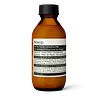
This mild cream cleanser is made to cleanse without leaving your skin tight or dry.
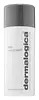
This smoothing exfoliator is formulated around Colloidal Oatmeal and Papain to refine skin texture and refine the look of pores.


What's inside
What's inside
 Key Ingredients
Benefits
Concerns
Ingredients Side-by-side
Water
Skin ConditioningOlive Oil PEG-7 Esters
Emollient




Vitis Vinifera Seed Oil
Emollient

Glycerin
Humectant

Cetearyl Alcohol
Emollient


Ceteareth-20
Cleansing
Candelilla/Jojoba/Rice Bran Polyglyceryl-3 Esters
Emulsifying
Glyceryl Stearate
Emollient
Phenoxyethanol
Preservative
Microcrystalline Cellulose
AbsorbentJojoba Esters
Emollient
Sodium Stearoyl Lactylate
EmulsifyingHelianthus Annuus Seed Wax
Skin Conditioning
Xanthan Gum
EmulsifyingPanthenol
Skin Conditioning
Lavandula Angustifolia Oil
Masking



Sodium Gluconate
Skin ConditioningCellulose Gum
Emulsion StabilisingSodium Dehydroacetate
Preservative
Ethylhexylglycerin
Skin ConditioningLinalool
Perfuming
Fusanus Spicatus Wood Oil
Masking
Tocopherol
Antioxidant




Juniperus Communis Fruit Oil
Masking
Glycine Soja Oil
Emollient
Acacia Decurrens Flower Wax
Emollient
Polyglycerin-3
Humectant
Farnesol
Perfuming
Limonene
Perfuming
Geraniol
Perfuming
Water, Olive Oil PEG-7 Esters, Vitis Vinifera Seed Oil, Glycerin, Cetearyl Alcohol, Ceteareth-20, Candelilla/Jojoba/Rice Bran Polyglyceryl-3 Esters, Glyceryl Stearate, Phenoxyethanol, Microcrystalline Cellulose, Jojoba Esters, Sodium Stearoyl Lactylate, Helianthus Annuus Seed Wax, Xanthan Gum, Panthenol, Lavandula Angustifolia Oil, Sodium Gluconate, Cellulose Gum, Sodium Dehydroacetate, Ethylhexylglycerin, Linalool, Fusanus Spicatus Wood Oil, Tocopherol, Juniperus Communis Fruit Oil, Glycine Soja Oil, Acacia Decurrens Flower Wax, Polyglycerin-3, Farnesol, Limonene, Geraniol
Microcrystalline Cellulose
AbsorbentMagnesium Oxide
AbsorbentSodium Cocoyl Isethionate
Cleansing
Colloidal Oatmeal
Absorbent
Disodium Lauryl Sulfosuccinate
CleansingSodium Lauroyl Glutamate
SurfactantOryza Sativa Bran Extract
Skin Conditioning
Oryza Sativa Starch
AbsorbentHydrogenated Coconut Acid
Emollient
Allantoin
Skin Conditioning
Papain
Skin Conditioning
Salicylic Acid
Masking




Ginkgo Biloba Leaf Extract
Skin Conditioning
Camellia Sinensis Leaf Extract
Antimicrobial
Glycyrrhiza Glabra Root Extract
Bleaching
PCA
Humectant
Populus Tremuloides Bark Extract
AntiseborrhoeicCyclodextrin
AbsorbentSodium Isethionate
CleansingLauryl Methacrylate
Maltodextrin
Absorbent
Melaleuca Alternifolia Leaf Oil
Antioxidant
Citrus Paradisi Peel Oil
Masking
Sodium Dehydroacetate
Preservative
Hydrolyzed Corn Starch Hydroxyethyl Ether
Emulsion StabilisingWater
Skin ConditioningLimonene
Perfuming
Citric Acid
Buffering
Microcrystalline Cellulose, Magnesium Oxide, Sodium Cocoyl Isethionate, Colloidal Oatmeal, Disodium Lauryl Sulfosuccinate, Sodium Lauroyl Glutamate, Oryza Sativa Bran Extract, Oryza Sativa Starch, Hydrogenated Coconut Acid, Allantoin, Papain, Salicylic Acid, Ginkgo Biloba Leaf Extract, Camellia Sinensis Leaf Extract, Glycyrrhiza Glabra Root Extract, PCA, Populus Tremuloides Bark Extract, Cyclodextrin, Sodium Isethionate, Lauryl Methacrylate, Maltodextrin, Melaleuca Alternifolia Leaf Oil, Citrus Paradisi Peel Oil, Sodium Dehydroacetate, Hydrolyzed Corn Starch Hydroxyethyl Ether, Water, Limonene, Citric Acid
Reviews
Ingredients Explained
These ingredients are found in both products.
Ingredients higher up in an ingredient list are typically present in a larger amount.
Limonene is a fragrance that adds scent and taste to a formulation.
It's found in the peel oil of citrus fruits and other plants such as lavender and eucalyptus. The scent of limonene is generally described as "sweet citrus".
Limonene acts as an antioxidant, meaning it helps neutralize free radicals.
When exposed to air, oxidized limonene may sensitize the skin. Because of this, limonene is often avoided by people with sensitive skin.
The term 'fragrance' is not regulated in many countries. In many cases, it is up to the brand to define this term. For instance, many brands choose to label themselves as "fragrance-free" because they are not using synthetic fragrances. However, their products may still contain ingredients such as essential oils that are considered a fragrance.
Learn more about LimoneneMicrocrystalline Cellulose is another name for refined wood pulp. It is used as an emulsifier and mattifying ingredient. As an emulsifier, it helps keep ingredients together.
Sodium Dehydroacetate is a synthetic preservative and sodium salt form of dehydroacetic acid. It stops bacteria, mold, and yeast from growing in your products at low concentrations.
Clinical testing found it to be non-irritating, non-sensitizing, and non-photosensitizing. It's also not significantly absorbed through skin.
There are a very small number of reported cases of contact dermatitis in cases linked to wound-care creams used over compromised skin (rather than skincare).
Overall, this is a well-studied and low-risk preservative just doing its job.
Typical concentrations run up to 0.6%, which is also the maximum amount permitted under both EU CosIng regulations and US FDA guidelines.
Learn more about Sodium DehydroacetateWater. It's the most common cosmetic ingredient of all. You'll usually see it at the top of ingredient lists, meaning that it makes up the largest part of the product.
So why is it so popular? Water most often acts as a solvent - this means that it helps dissolve other ingredients into the formulation.
You'll also recognize water as that liquid we all need to stay alive. If you see this, drink a glass of water. Remember to stay hydrated!
Learn more about Water

