Advanced Clinicals Vitamin C Anti Aging Serum Versus Advanced Clinicals Vitamin C + Ferulic Acid Antioxidant Glow Facial Mist
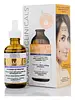
This anti-aging serum is formulated around Aminopropyl Ascorbyl Phosphate and Ferulic Acid to soften the look of wrinkles and brighten dull-looking skin.
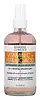
This brightening treatment is formulated around Aminopropyl Ascorbyl Phosphate and Ferulic Acid to brighten dull-looking skin.

What's inside
What's inside
 Key Ingredients
Benefits
Concerns
Ingredients Side-by-side
Water
Skin ConditioningPEG-12 Dimethicone
Skin Conditioning
Aminopropyl Ascorbyl Phosphate
Antioxidant





Ferulic Acid
Antimicrobial

Lactic Acid
Buffering





Glycolic Acid
Buffering

Glycerin
Humectant

Palmitoyl Tripeptide-1
Skin Conditioning
Palmitoyl Tetrapeptide-7
Skin Conditioning
Aloe Barbadensis Leaf Juice Powder
Skin Conditioning
Tocopherol
Antioxidant
Helianthus Annuus Extract
Emollient
Oryza Sativa Bran Extract
Skin Conditioning
Rosmarinus Officinalis Leaf Extract
AntimicrobialButylene Glycol
Humectant
Xanthan Gum
EmulsifyingPhenoxyethanol
Preservative
Caprylyl Glycol
Emollient
Hexylene Glycol
EmulsifyingEthylhexylglycerin
Skin ConditioningTetrasodium Glutamate Diacetate
Parfum
Masking

Sodium Hydroxide
BufferingVanillin
Masking
Malonic Acid
BufferingCarbomer
Emulsion StabilisingSodium Lactate
Buffering
Polysorbate 20
Emulsifying
Limonene
Perfuming
Linalool
Perfuming
Citronellol
Perfuming
Water, PEG-12 Dimethicone, Aminopropyl Ascorbyl Phosphate, Ferulic Acid, Lactic Acid, Glycolic Acid, Glycerin, Palmitoyl Tripeptide-1, Palmitoyl Tetrapeptide-7, Aloe Barbadensis Leaf Juice Powder, Tocopherol, Helianthus Annuus Extract, Oryza Sativa Bran Extract, Rosmarinus Officinalis Leaf Extract, Butylene Glycol, Xanthan Gum, Phenoxyethanol, Caprylyl Glycol, Hexylene Glycol, Ethylhexylglycerin, Tetrasodium Glutamate Diacetate, Parfum, Sodium Hydroxide, Vanillin, Malonic Acid, Carbomer, Sodium Lactate, Polysorbate 20, Limonene, Linalool, Citronellol
Water
Skin ConditioningGlycerin
Humectant
Pyrus Malus Fruit Extract
Skin Conditioning
PEG-12 Dimethicone
Skin Conditioning
Aminopropyl Ascorbyl Phosphate
Antioxidant
Ferulic Acid
Antimicrobial
Aloe Barbadensis Leaf Juice
Skin Conditioning
Rosa Canina Fruit Oil
Emollient
Acetyl Hexapeptide-8
Humectant
Lactobacillus Ferment
Skin Conditioning
Glucosamine Hcl
Rosa Damascena Flower Water
Masking
Camellia Sinensis Leaf Extract
Antimicrobial
Punica Granatum Extract
AstringentRubus Fruticosus Fruit Extract
AstringentCoffea Robusta Seed Extract
Skin ConditioningVaccinium Macrocarpon Fruit Extract
AstringentVitis Vinifera Leaf Extract
Skin ConditioningEuterpe Oleracea Fruit Extract
Arctostaphylos Uva-Ursi Leaf Extract
Skin Conditioning
Lycium Barbarum Fruit Extract
Astringent
Morinda Citrifolia Fruit Extract
Skin Conditioning
Rubus Idaeus Fruit
AstringentAristotelia Chilensis Fruit Extract
Skin ConditioningBrassica Oleracea Acephala Leaf Extract
HumectantTocopheryl Acetate
Antioxidant
Panax Ginseng Root Extract
Emollient
Isopentyldiol
Humectant
Pentylene Glycol
Skin Conditioning
Phenoxyethanol
Preservative
Maltodextrin
Absorbent
Tetrasodium Glutamate Diacetate
Parfum
Masking
Caprylyl Glycol
Emollient
Ethylhexylglycerin
Skin ConditioningHexylene Glycol
EmulsifyingSodium Hydroxide
BufferingSolvent Yellow 33
CI 14700
Cosmetic ColorantCI 17200
Cosmetic ColorantWater, Glycerin, Pyrus Malus Fruit Extract, PEG-12 Dimethicone, Aminopropyl Ascorbyl Phosphate, Ferulic Acid, Aloe Barbadensis Leaf Juice, Rosa Canina Fruit Oil, Acetyl Hexapeptide-8, Lactobacillus Ferment, Glucosamine Hcl, Rosa Damascena Flower Water, Camellia Sinensis Leaf Extract, Punica Granatum Extract, Rubus Fruticosus Fruit Extract, Coffea Robusta Seed Extract, Vaccinium Macrocarpon Fruit Extract, Vitis Vinifera Leaf Extract, Euterpe Oleracea Fruit Extract, Arctostaphylos Uva-Ursi Leaf Extract, Lycium Barbarum Fruit Extract, Morinda Citrifolia Fruit Extract, Rubus Idaeus Fruit, Aristotelia Chilensis Fruit Extract, Brassica Oleracea Acephala Leaf Extract, Tocopheryl Acetate, Panax Ginseng Root Extract, Isopentyldiol, Pentylene Glycol, Phenoxyethanol, Maltodextrin, Tetrasodium Glutamate Diacetate, Parfum, Caprylyl Glycol, Ethylhexylglycerin, Hexylene Glycol, Sodium Hydroxide, Solvent Yellow 33, CI 14700, CI 17200
Reviews
Alternatives
Ingredients Explained
These ingredients are found in both products.
Ingredients higher up in an ingredient list are typically present in a larger amount.
Aminopropyl Ascorbyl Phosphate (AAP) is a form of Vitamin C. AAP was made as a more stable alternative to Ascorbic Acid by combining Ascorbic Acid (pure Vitamin C) with 3-aminoproply dehydrogen phosphate.
As a type of Vitamin C, it has antioxidant properties. Antioxidants help fight free-radical molecules, or molecules that may damage your skin cells.
AAP has been shown to help reduce signs of hyperigmentation and age-spots.
AAP is water soluble.
Vitamin C can help to reduce redness, improve skin texture, reduce the effects of aging, and reduce the visibility of dark spots.
Read more about other types of Vitamin C:
Learn more about Aminopropyl Ascorbyl PhosphateCaprylyl Glycol is a humectant, skin conditioner, emollient, and preservative booster derived from either caprylic acid or synthetically created.
Typical use levels vary from 0.3-1% as a preservative booster and go up to 2% to condition skin.
Because it is not a free-fatty acid, this ingredient is fungal acne safe (there's nothing for Malassezia to feed on).
Learn more about Caprylyl GlycolEthylhexylglycerin is created from glycerin. It is a multitasker ingredient that:
The CIR Expert Panel found minimal skin absorption or sensitization of any kind in a safety assessment. Though this ingredient is considered well-tolerated, a small number of cases of allergic dermatitis have been published since 2002. Just be sure to patch test if you are unsure.
Industry-reported use ranges from 8% in rinse-off products and 2% in leave-on formulations.
Learn more about EthylhexylglycerinFerulic Acid is a plant based antioxidant that can be naturally found in the cell walls of grains like rice, oats, and corn. It has antioxidant and antimicrobial properties, and has the ability to boost the performance of other antioxidants as well.
A well-known study found that adding Ferulic Acid to a solution of Vitamins C and E doubled the photoprotection of skin. This is why you'll often see it paired with Vitamin C or Vitamin E serums rather than sold on its own.
A 2025 review of 18 human studies found that using Ferulic Acid (0.5-1%) daily for one to three months showed improvements in:
As far as allergies go, Ferulic acid is generally well-tolerated but can cause an allergic reaction in very rare cases. It's also worth noting that Ferulic acid is often extracted from plant sources like rice bran or wheat bran, so be sure to path test if you have known grain allergies.
Outside of skincare, researchers are also looking into Ferulic Acid for its potential benefits in areas like diabetes, Alzheimer's, and heart health.
Learn more about Ferulic AcidGlycerin (or glycerol) is a compound naturally found in your skin. It's a powerhouse humectant that pulls water into the stratum corneum.
Topically, glycerin does several things at once:
Your skin makes glycerin on its own (mostly from sebaceous oil breakdown) and shuttles it to your outermost layer of skin, or your epidermis, via aquaporin-3.
Aquaporin-3 is a transporter that is essential for normal skin hydration, elasticity, and repair. Interestingly, mice lacking in AQP3 have dry and less elastic skin that can be fully corrected with glycerin.
This ingredient is non-irritating, plays well with almost every ingredient, and works across all skin types. Typical use is anywhere between 3-10% but can go up to 79% in some leave-on products.
Just know very high concentrations (>40%) can feel tacky in low humidity.
Glycerin is the name for this ingredient in American English. British English uses Glycerol/Glycerine.
Learn more about GlycerinHexylene Glycol is a multitasker ingredient that works as a solvent, humectant, emulsifier, viscosity reducer, and preservative booster.
It is able to dissolve both water and oil-soluble ingredients to stabilize tricky actives and make products spread more easily.
As a humectant, it pulls water into the skin. But it's a pretty minor moisturizing ingredient compared to other humectants, like glycerin.
Interestingly, it can act as a mild penetration enhancer. One in vitro study on human skin found a 12% concentration upped the absorption of mometasone furoate (a medicinal ingredient used to treat inflammatory skin conditions) up to 7%.
This ingredient is typically used at levels of 0.1-10% depending on the role it's playing.
A patch test study on eczema patients didn't find a significant increase in irritation versus the control group, but the potential for irritation rises at higher concentrations.
Learn more about Hexylene GlycolParfum is a catch-all term for an ingredient or more that is used to give a scent to products.
Also called "fragrance", this ingredient can be a blend of hundreds of chemicals or plant oils. This means every product with "fragrance" or "parfum" in the ingredients list is a different mixture.
For instance, Habanolide is a proprietary trade name for a specific aroma chemical. When used as a fragrance ingredient in cosmetics, most aroma chemicals fall under the broad labeling category of “FRAGRANCE” or “PARFUM” according to EU and US regulations.
The term 'parfum' or 'fragrance' is not regulated in many countries. In many cases, it is up to the brand to define this term.
For instance, many brands choose to label themselves as "fragrance-free" because they are not using synthetic fragrances. However, their products may still contain ingredients such as essential oils that are considered a fragrance by INCI standards.
One example is Calendula flower extract. Calendula is an essential oil that still imparts a scent or 'fragrance'.
Depending on the blend, the ingredients in the mixture can cause allergies and sensitivities on the skin. Some ingredients that are known EU allergens include linalool and citronellol.
Parfum can also be used to mask or cover an unpleasant scent.
The bottom line is: not all fragrances/parfum/ingredients are created equally. If you are worried about fragrances, we recommend taking a closer look at an ingredient. And of course, we always recommend speaking with a professional.
Learn more about ParfumPEG-12 Dimethicone is a type of water-soluble silicone. It has skin conditioning and hydrating properties.
According to a manufacturer, this ingredient's stability is decreased by strong acid or alkali.
Phenoxyethanol is one of the most widely used preservatives in skincare (and for good reason!).
It has a large spectrum of antimicrobial activity and especially effective bacteria, yeast, and mold while only having a weak effect on your skin's natural microbiome.
On a cellular level, it disrupts the cell membranes of microbes by poking holes that make the cell leak. This shuts down the chemical reactions the microbe needs to make energy so it can no longer survive.
Another perk of this ingredient is that it stays functional across a wide pH range (3-10).
You'll often see it paired with boosters like Ethylhexylglycerin; one study showed that a 1:9 ratio of Ethylhexylglycerin to Phenoxyethanol damages bacterial membranes as effectively as doubling the Phenoxyethanol concentration on its own.
Typical use concentrations range from 0.3-1% depending on the formula, and this ingredient is capped at 1% int the EU.
Safety-wise, the fear mongering does not hold up to the evidence. The EU's Scientific Committee on Consumer Safety and FDA consider it safe as a preservative at up to 1%, including for children of all ages.
Adverse systemic effects only showed up in animal studies at exposures roughly 200x higher than what people get from cosmetics. And despite its very widespread use, this ingredient is a rare sensitizer and allergic reactions are uncommon.
Learn more about PhenoxyethanolSodium Hydroxide is also known as lye or caustic soda. It is used to adjust the pH of products; many ingredients require a specific pH to be effective.
In small amounts, sodium hydroxide is considered safe to use. However, large amounts may cause chemical burns due to its high alkaline.
Your skin has a natural pH and acid mantle. This acid mantle helps prevent harmful bacteria from breaking through. The acid mantle also helps keep your skin hydrated.
"Alkaline" refers to a high pH level. A low pH level would be considered acidic.
Learn more about Sodium HydroxideTetrasodium Glutamate Diacetate is a chelating agent. Chelating agents help prevent metal ions from binding to other ingredients. This helps prevent unwanted effects and reactions from a product. These metal ions may come from water and are found in miniscule amounts.
Tetrasodium Glutamate Diacetate can also help other preservatives be more effective.
Water. It's the most common cosmetic ingredient of all. You'll usually see it at the top of ingredient lists, meaning that it makes up the largest part of the product.
So why is it so popular? Water most often acts as a solvent - this means that it helps dissolve other ingredients into the formulation.
You'll also recognize water as that liquid we all need to stay alive. If you see this, drink a glass of water. Remember to stay hydrated!
Learn more about Water

