This brightening ampoule is formulated around Ascorbic Acid and Arbutin to fade the look of dark spots and brighten dull-looking skin.
This anti-aging serum is formulated around Aminopropyl Ascorbyl Phosphate and Ferulic Acid to soften the look of wrinkles and brighten dull-looking skin.


What's inside
What's inside
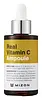 Key Ingredients
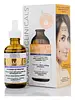
Benefits
Concerns
Ingredients Side-by-side


Water
Skin ConditioningPEG-12 Dimethicone
Skin Conditioning
Aminopropyl Ascorbyl Phosphate
Antioxidant





Ferulic Acid
Antimicrobial

Lactic Acid
Buffering





Glycolic Acid
Buffering

Glycerin
Humectant

Palmitoyl Tripeptide-1
Skin Conditioning
Palmitoyl Tetrapeptide-7
Skin Conditioning
Aloe Barbadensis Leaf Juice Powder
Skin Conditioning
Tocopherol
Antioxidant
Helianthus Annuus Extract
Emollient
Oryza Sativa Bran Extract
Skin Conditioning
Rosmarinus Officinalis Leaf Extract
AntimicrobialButylene Glycol
Humectant
Xanthan Gum
EmulsifyingPhenoxyethanol
Preservative
Caprylyl Glycol
Emollient
Hexylene Glycol
EmulsifyingEthylhexylglycerin
Skin ConditioningTetrasodium Glutamate Diacetate
ChelatingParfum
Masking

Sodium Hydroxide
BufferingVanillin
Masking
Malonic Acid
BufferingCarbomer
Emulsion StabilisingSodium Lactate
Buffering
Polysorbate 20
Emulsifying
Limonene
Perfuming
Linalool
Perfuming
Citronellol
Perfuming
Water, PEG-12 Dimethicone, Aminopropyl Ascorbyl Phosphate, Ferulic Acid, Lactic Acid, Glycolic Acid, Glycerin, Palmitoyl Tripeptide-1, Palmitoyl Tetrapeptide-7, Aloe Barbadensis Leaf Juice Powder, Tocopherol, Helianthus Annuus Extract, Oryza Sativa Bran Extract, Rosmarinus Officinalis Leaf Extract, Butylene Glycol, Xanthan Gum, Phenoxyethanol, Caprylyl Glycol, Hexylene Glycol, Ethylhexylglycerin, Tetrasodium Glutamate Diacetate, Parfum, Sodium Hydroxide, Vanillin, Malonic Acid, Carbomer, Sodium Lactate, Polysorbate 20, Limonene, Linalool, Citronellol
Reviews
Alternatives
Ingredients Explained
These ingredients are found in both products.
Ingredients higher up in an ingredient list are typically present in a larger amount.
Limonene is the compound that gives citrus peel its smell.
In skincare, it shows up as a standalone fragrance ingredient or as a natural compound of citrus and other essential oils.
You'll typically see this ingredient used in very small amounts; anything above 0.001% in a leave-on product or 0.01% in a rinse-off has to be named on the label in the EU. The citrus oils that carry it sit around 0.5-1% in a finished formula.
Fresh limonene is a weak allergen; the real issue is that it slowly reacts with air and then breaks down from oxidation to create hydroperoxides (which are strong sensitizers). This is why suppliers are required to keep the peroxide value below 20 mmol.
Positive reactions in people being investigated for eczema vary:
It's worth skipping if you have a known fragrance allergy or a compromised barrier, but the risk is low for most people.
Older or long-opened products are also more likely to bother you than fresh ones due to oxidation.
Learn more about Limonene

