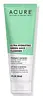
This mild cream cleanser is made to cleanse without leaving your skin tight or dry.
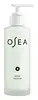
This mild cream cleanser is made to cleanse without leaving your skin tight or dry.

What's inside
What's inside
 Key Ingredients
Benefits
Concerns
Ingredients Side-by-side
Water
Skin ConditioningSodium Cocoyl Isethionate
Cleansing
Glyceryl Stearate Se
Emulsifying




Hydroxypropyl Starch Phosphate
Butyrospermum Parkii Butter
Skin Conditioning

Glycerin
Humectant
Glyceryl Oleate
Emollient

Decyl Glucoside
Cleansing
Phenethyl Alcohol
MaskingHydrolyzed Jojoba Esters
Skin Conditioning
Disodium Coco-Glucoside Citrate
Emulsifying
Sodium Lauroyl Lactylate
EmulsifyingSclerotium Gum
Emulsion StabilisingHelianthus Annuus Seed Oil
Emollient
Glyceryl Caprylate
EmollientEthylhexylglycerin
Skin ConditioningJojoba Esters
Emollient
Melia Azadirachta Leaf Extract
Skin ConditioningMelia Azadirachta Flower Extract
Skin ConditioningAniba Rosodora Wood Oil
Astringent
Arthrospira Platensis Extract
Antioxidant
Brassica Oleracea Acephala Sprout Extract
Antioxidant
Citrus Aurantium Dulcis Flower Oil
Astringent
Citrus Aurantium Dulcis Peel Oil
Masking
Citrus Nobilis Peel Oil
Masking
Cordyceps Sinensis Extract
Antioxidant
Curcuma Longa Root Extract
Antioxidant
Ganoderma Lucidum Extract
Skin Protecting
Jasminum Officinale Oil
Masking

Ocimum Sanctum Leaf Extract
Skin ConditioningPelargonium Graveolens Flower Oil
Masking
Spinacia Oleracea Leaf Extract
Skin ConditioningWithania Somnifera Root Extract
Skin Conditioning
Aspalathus Linearis Leaf Extract
Skin ConditioningCalendula Officinalis Flower Extract
Masking
Chamomilla Recutita Flower Extract
Masking
Euterpe Oleracea Fruit Extract
Punica Granatum Extract
AstringentRosa Canina Fruit Extract
Astringent
Rubus Fruticosus Fruit Extract
AstringentCitric Acid
Buffering

Water, Sodium Cocoyl Isethionate, Glyceryl Stearate Se, Hydroxypropyl Starch Phosphate, Butyrospermum Parkii Butter, Glycerin, Glyceryl Oleate, Decyl Glucoside, Phenethyl Alcohol, Hydrolyzed Jojoba Esters, Disodium Coco-Glucoside Citrate, Sodium Lauroyl Lactylate, Sclerotium Gum, Helianthus Annuus Seed Oil, Glyceryl Caprylate, Ethylhexylglycerin, Jojoba Esters, Melia Azadirachta Leaf Extract, Melia Azadirachta Flower Extract, Aniba Rosodora Wood Oil, Arthrospira Platensis Extract, Brassica Oleracea Acephala Sprout Extract, Citrus Aurantium Dulcis Flower Oil, Citrus Aurantium Dulcis Peel Oil, Citrus Nobilis Peel Oil, Cordyceps Sinensis Extract, Curcuma Longa Root Extract, Ganoderma Lucidum Extract, Jasminum Officinale Oil, Ocimum Sanctum Leaf Extract, Pelargonium Graveolens Flower Oil, Spinacia Oleracea Leaf Extract, Withania Somnifera Root Extract, Aspalathus Linearis Leaf Extract, Calendula Officinalis Flower Extract, Chamomilla Recutita Flower Extract, Euterpe Oleracea Fruit Extract, Punica Granatum Extract, Rosa Canina Fruit Extract, Rubus Fruticosus Fruit Extract, Citric Acid
Water
Skin ConditioningAlgae Extract
Emollient
Decyl Glucoside
Cleansing
Sodium Lauroyl Oat Amino Acids
CleansingSorbitan Olivate
Emulsifying
Sesamum Indicum Seed Oil
Emollient
Simmondsia Chinensis Seed Oil
Emollient
Magnesium Aluminum Silicate
Absorbent
Tocopherol
Antioxidant

Citrus Aurantifolia Oil
Cleansing
Citrus Aurantium Dulcis Oil
Masking
Juniperus Communis Fruit Oil
Masking
Cupressus Sempervirens Oil
Masking
Jasminum Officinale Oil
Masking
Lactic Acid
Buffering

Xanthan Gum
EmulsifyingGlycine
Buffering
Potassium Sorbate
Preservative
CI 75810
Cosmetic ColorantWater, Algae Extract, Decyl Glucoside, Sodium Lauroyl Oat Amino Acids, Sorbitan Olivate, Sesamum Indicum Seed Oil, Simmondsia Chinensis Seed Oil, Magnesium Aluminum Silicate, Tocopherol, Citrus Aurantifolia Oil, Citrus Aurantium Dulcis Oil, Juniperus Communis Fruit Oil, Cupressus Sempervirens Oil, Jasminum Officinale Oil, Lactic Acid, Xanthan Gum, Glycine, Potassium Sorbate, CI 75810
Reviews
Ingredients Explained
These ingredients are found in both products.
Ingredients higher up in an ingredient list are typically present in a larger amount.
Decyl Glucoside is a plant-derived surfactant and emulsion stabilizer. It is created by reacting glucose with the fatty acids from plants.
Like all surfactants, it works by lowering the surface tension between water and oil. This makes it so that dirt, sebum, and makeup can be lifted off your skin and rinsed away. It also produces a dense and creamy foam.
Because it has a neutral charge, it is compatible with a wide range of ingredients and stays stable across a broad pH range/water hardiness conditions.
Patch testing has shown it to have the lowest irritation potential among common cleansing surfactants (like SLS).
Typical use levels range from 5-20% in rinse-off cleansers.
One thing worth knowing: The American Contact Dermatitis Society named the parent family, alkyl glucosides, "Allergen of the Year" in 2017. The prevalence of allergy is pretty low but be sure to patch test if you've reacted to "gentle" or sulfate-free cleansers before.
This ingredient is fungal acne safe because the fatty alcohol portion of this ingredient is not within the C11-24 chain length that Malassezia can metabolize.
Learn more about Decyl GlucosideJasminum Officinale Oil is obtained from the jasmine flower. The flower has antioxidant and antimicrobial properties.
The antioxidant properties of Jasmine flower come from flavonoids.
YSK - Jasmine flowers also contain coumarin, a known EU allergen.
Learn more about Jasminum Officinale OilWater. It's the most common cosmetic ingredient of all. You'll usually see it at the top of ingredient lists, meaning that it makes up the largest part of the product.
So why is it so popular? Water most often acts as a solvent - this means that it helps dissolve other ingredients into the formulation.
You'll also recognize water as that liquid we all need to stay alive. If you see this, drink a glass of water. Remember to stay hydrated!
Learn more about Water

