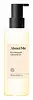
This oil-based makeup remover is made to dissolve makeup, sunscreen, and daily buildup.
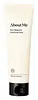
This mild cream cleanser is made to cleanse without leaving your skin tight or dry.

What's inside
What's inside
 Key Ingredients
Benefits
Concerns
Ingredients Side-by-side
Ethylhexyl Palmitate
Emollient




Sorbeth-30 Tetraoleate
Emulsifying
Triethylhexanoin
MaskingCetyl Ethylhexanoate
EmollientDiisostearyl Malate
EmollientCaprylic/Capric Triglyceride
Masking


Oryza Sativa Bran Oil
Emollient


Artemisia Vulgaris Oil
Perfuming


Tocopherol
Antioxidant




Helianthus Annuus Seed Oil
Emollient
Water
Skin ConditioningHippophae Rhamnoides Fruit Oil
Skin Protecting
Galactomyces Ferment Filtrate
Humectant
Butylene Glycol
Humectant
Glycerin
Humectant
Oryza Sativa Lees Extract
Skin ConditioningPropanediol
Solvent
1,2-Hexanediol
Skin Conditioning
Pentylene Glycol
Skin Conditioning
Saccharomyces/Coix Lacryma-Jobi Ma-Yuen Seed Ferment Filtrate
Skin Conditioning
Saccharomyces/Barley Seed Ferment Filtrate
HumectantSaccharomyces/Rice Ferment Filtrate
Skin Conditioning
Caprylyl Glycol
Emollient
Lactobacillus/Rice Ferment
Skin Conditioning
Ethylhexylglycerin
Skin ConditioningOryza Sativa Bran Water
Masking
Ethylhexyl Palmitate, Sorbeth-30 Tetraoleate, Triethylhexanoin, Cetyl Ethylhexanoate, Diisostearyl Malate, Caprylic/Capric Triglyceride, Oryza Sativa Bran Oil, Artemisia Vulgaris Oil, Tocopherol, Helianthus Annuus Seed Oil, Water, Hippophae Rhamnoides Fruit Oil, Galactomyces Ferment Filtrate, Butylene Glycol, Glycerin, Oryza Sativa Lees Extract, Propanediol, 1,2-Hexanediol, Pentylene Glycol, Saccharomyces/Coix Lacryma-Jobi Ma-Yuen Seed Ferment Filtrate, Saccharomyces/Barley Seed Ferment Filtrate, Saccharomyces/Rice Ferment Filtrate, Caprylyl Glycol, Lactobacillus/Rice Ferment, Ethylhexylglycerin, Oryza Sativa Bran Water
Water
Skin ConditioningSodium Cocoyl Isethionate
Cleansing
Glycerin
Humectant
Stearyl Alcohol
Emollient
Lauryl Betaine
CleansingGlyceryl Stearate
Emollient
Coconut Acid
Cleansing
Oryza Sativa Bran Water
Masking
Sodium Methyl Cocoyl Taurate
Cleansing
Sodium Isethionate
CleansingChlorella Vulgaris Extract
Skin ConditioningCedrus Atlantica Bark Oil
Masking
2,3-Butanediol
HumectantRosmarinus Officinalis Leaf Oil
Masking
Quillaja Saponaria Bark Extract
CleansingSalvia Sclarea Oil
Masking
Oryza Sativa Extract
Absorbent
Aspergillus/Rice Ferment Extract
HumectantGalactomyces Ferment Filtrate
Humectant
Oryza Sativa Bran Oil
Emollient
Lactobacillus/Rice Ferment Filtrate
Skin ConditioningSaccharomyces/Rice Ferment Filtrate Extract
Antioxidant
Coco-Glucoside
Cleansing
Ethoxydiglycol
HumectantGlucose
Humectant
Dipropylene Glycol
HumectantCitric Acid
Buffering
Butylene Glycol
Humectant
Fructooligosaccharides
Humectant
Fructose
Humectant
1,2-Hexanediol
Skin Conditioning
Glycereth-26
Humectant
Propanediol
Solvent
Sodium Phytate
ChelatingEthylhexylglycerin
Skin ConditioningWater, Sodium Cocoyl Isethionate, Glycerin, Stearyl Alcohol, Lauryl Betaine, Glyceryl Stearate, Coconut Acid, Oryza Sativa Bran Water, Sodium Methyl Cocoyl Taurate, Sodium Isethionate, Chlorella Vulgaris Extract, Cedrus Atlantica Bark Oil, 2,3-Butanediol, Rosmarinus Officinalis Leaf Oil, Quillaja Saponaria Bark Extract, Salvia Sclarea Oil, Oryza Sativa Extract, Aspergillus/Rice Ferment Extract, Galactomyces Ferment Filtrate, Oryza Sativa Bran Oil, Lactobacillus/Rice Ferment Filtrate, Saccharomyces/Rice Ferment Filtrate Extract, Coco-Glucoside, Ethoxydiglycol, Glucose, Dipropylene Glycol, Citric Acid, Butylene Glycol, Fructooligosaccharides, Fructose, 1,2-Hexanediol, Glycereth-26, Propanediol, Sodium Phytate, Ethylhexylglycerin
Ingredients Explained
These ingredients are found in both products.
Ingredients higher up in an ingredient list are typically present in a larger amount.
1,2-Hexanediol is a synthetic liquid and another multi-functional powerhouse.
It is a:
- Humectant, drawing moisture into the skin
- Emollient, helping to soften skin
- Solvent, dispersing and stabilizing formulas
- Preservative booster, enhancing the antimicrobial activity of other preservatives
Butylene Glycol (or BG) is used within cosmetic products for a few different reasons:
Overall, Butylene Glycol is a safe and well-rounded ingredient that works well with other ingredients.
Though this ingredient works well with most skin types, some people with sensitive skin may experience a reaction such as allergic rashes, closed comedones, or itchiness.
Learn more about Butylene GlycolEthylhexylglycerin is created from glycerin. It is a multitasker ingredient that:
The CIR Expert Panel found minimal skin absorption or sensitization of any kind in a safety assessment. Though this ingredient is considered well-tolerated, a small number of cases of allergic dermatitis have been published since 2002. Just be sure to patch test if you are unsure.
Industry-reported use ranges from 8% in rinse-off products and 2% in leave-on formulations.
Learn more about EthylhexylglycerinGalactomyces Ferment Filtrate (GFF) is a byproduct of fermenting Galactomyces yeast (the same yeast traditionally used to brew sake, Japan's beloved rice wine).
Sake brewers have long been known for their remarkably youthful hands. This is what actually first sparked scientific interest in GFF's skin benefits.
GFF works by stimulating filaggrin production in the skin. Filaggrin is a protein that binds structural proteins in the outer skin layer together to form a tight barrier that shields against allergens, bacteria, and moisture loss.
It's also a key building block of our natural moisturizing factors (NMF), or the network of compounds that keep skin plump and hydrated.
By boosting filaggrin, GFF helps strengthen both our barrier and our skin's ability to retain moisture.
Beyond hydration, GFF has notable antioxidant properties that help protect against oxidative stress and UV-induced inflammation.
Research also suggests it may help regulate sebum and keratin production. This could be an interesting option for those concerned about oiliness or skin texture.
Fungal acne:
This ingredient doesn't contain fatty acids or oils that could feed Malassezia, and the yeast used to make it (Galactomyces) is a different genera of fungi from Malassezia. The presence of one doesn't stimulate the other.
However, there is a concern raised by some communities that this ingredient could trigger a reaction in people who are broadly sensitive to yeast/fungal-derived ingredients.
Learn more about Galactomyces Ferment FiltrateGlycerin (or glycerol) is a compound naturally found in your skin. It's a powerhouse humectant that pulls water into the stratum corneum.
Topically, glycerin does several things at once:
Your skin makes glycerin on its own (mostly from sebaceous oil breakdown) and shuttles it to your outermost layer of skin, or your epidermis, via aquaporin-3.
Aquaporin-3 is a transporter that is essential for normal skin hydration, elasticity, and repair. Interestingly, mice lacking in AQP3 have dry and less elastic skin that can be fully corrected with glycerin.
This ingredient is non-irritating, plays well with almost every ingredient, and works across all skin types. Typical use is anywhere between 3-10% but can go up to 79% in some leave-on products.
Just know very high concentrations (>40%) can feel tacky in low humidity.
Glycerin is the name for this ingredient in American English. British English uses Glycerol/Glycerine.
Learn more about GlycerinThis oil comes from the outer layer (bran) of rice grains. It is packed with skin-friendly fatty acids to soften and condition the skin while supporting your moisture barrier.
What makes it stand out from other plant oils is its naturally high concentration of gamma-oryzanol, a potent antioxidant. This antioxidant has shown some UV-absorptive properties in research.
Other antioxidants found in this oil include tocopherols, tocotrienols, and ferulic acid.
According to manufacturers, this oil has a lightweight texture that absorbs nicely.
The CIR (Cosmetic Ingredient Review) has concluded this ingredient to be safe as used in cosmetics and it has not shown to be a skin sensitizer in testing (unless you have a known rice allergy).
Due to the fatty acids (primarily Oleic Acid ~40%, Linoleic Acid ~30%, and some Palmitic Acid), this ingredient may not be fungal acne safe.
Learn more about Oryza Sativa Bran OilOryza Sativa Bran Water comes from the outer layer of a rice kernel. It is a byproduct of milling rice, or the operation to produce a whole grain rice product.
According to INCI, this ingredient is used for masking and perfuming.
Masking ingredients are used to obscure or block properties of other ingredients. They are commonly used to block the scent of a product.
Peruming ingredients help give products a scent and can be natural or synthetically created.
Learn more about Oryza Sativa Bran WaterPropanediol is an all-star ingredient. It softens, hydrates, and smooths the skin.
It’s often used to:
Propanediol is not likely to cause sensitivity and considered safe to use. It is derived from corn or petroleum with a clear color and no scent.
Learn more about PropanediolWater. It's the most common cosmetic ingredient of all. You'll usually see it at the top of ingredient lists, meaning that it makes up the largest part of the product.
So why is it so popular? Water most often acts as a solvent - this means that it helps dissolve other ingredients into the formulation.
You'll also recognize water as that liquid we all need to stay alive. If you see this, drink a glass of water. Remember to stay hydrated!
Learn more about Water

