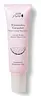
This barrier-repair moisturizer is formulated around Aloe Barbadensis Leaf Juice and Polyglutamic Acid to strengthen the skin barrier and hydrate skin.
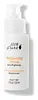
This brightening serum is formulated around Rice Ferment Filtrate and Sodium Ascorbate to brighten dull-looking skin and fade the look of dark spots.

What's inside
What's inside
 Key Ingredients
Benefits
Concerns
Ingredients Side-by-side
Aloe Barbadensis Leaf Juice
Skin Conditioning


Citrullus Lanatus Fruit Water
Skin ConditioningHelianthus Annuus Seed Oil
Emollient


Cucumis Sativus Oil
Emollient
Glycerin
Humectant

Opuntia Ficus-Indica Seed Oil
Emollient
Calluna Vulgaris Extract
Skin ConditioningPolyglutamic Acid
Skin Conditioning
Sodium Hyaluronate
Humectant

Ceramide AP
Skin Conditioning
Niacinamide
Smoothing






Camellia Sinensis Leaf Extract
Antimicrobial
Chondrus Crispus Extract
Skin Conditioning

Beta-Glucan
Skin Conditioning
Trehalose
Humectant
Squalane
Emollient
Lycium Barbarum Fruit Extract
Astringent
Ectoin
Skin Conditioning
Pullulan
Sodium PCA
Humectant
Xanthan Gum
EmulsifyingLauryl Glucoside
CleansingMyristyl Glucoside
CleansingPolyglyceryl-6 Laurate
Emulsifying
Caprylhydroxamic Acid
ChelatingGlyceryl Caprylate
EmollientSodium Bicarbonate
Abrasive
Aloe Barbadensis Leaf Juice, Citrullus Lanatus Fruit Water, Helianthus Annuus Seed Oil, Cucumis Sativus Oil, Glycerin, Opuntia Ficus-Indica Seed Oil, Calluna Vulgaris Extract, Polyglutamic Acid, Sodium Hyaluronate, Ceramide AP, Niacinamide, Camellia Sinensis Leaf Extract, Chondrus Crispus Extract, Beta-Glucan, Trehalose, Squalane, Lycium Barbarum Fruit Extract, Ectoin, Pullulan, Sodium PCA, Xanthan Gum, Lauryl Glucoside, Myristyl Glucoside, Polyglyceryl-6 Laurate, Caprylhydroxamic Acid, Glyceryl Caprylate, Sodium Bicarbonate
Aloe Barbadensis Leaf Juice
Skin Conditioning
Prunus Armeniaca Kernel Oil
Masking
Glycerin
Humectant
Rosa Damascena Flower Water
Masking
Rice Ferment Filtrate
Skin Conditioning
Sodium Ascorbate
Antioxidant
Water
Skin ConditioningPunica Granatum Seed Oil
Emollient
Citrus Limon Fruit Extract
Masking
Citrus Aurantium Dulcis Peel Oil
Masking
Citrus Medica Peel Oil
Citrus Aurantium Bergamia Fruit Oil
Masking

Lycium Barbarum Fruit Extract
Astringent
Glycyrrhiza Glabra Root Extract
Bleaching
Pisum Sativum Extract
Skin ConditioningXanthan Gum
EmulsifyingKojic Acid
Antioxidant
Sodium Bicarbonate
Abrasive
Lauryl Glucoside
CleansingMyristyl Glucoside
CleansingPolyglyceryl-6 Laurate
Emulsifying
Dehydroacetic Acid
Preservative
Benzyl Alcohol
Perfuming

Citral
Perfuming
Citronellol
Perfuming
Geraniol
Perfuming
Limonene
Perfuming
Linalool
Perfuming
Aloe Barbadensis Leaf Juice, Prunus Armeniaca Kernel Oil, Glycerin, Rosa Damascena Flower Water, Rice Ferment Filtrate, Sodium Ascorbate, Water, Punica Granatum Seed Oil, Citrus Limon Fruit Extract, Citrus Aurantium Dulcis Peel Oil, Citrus Medica Peel Oil, Citrus Aurantium Bergamia Fruit Oil, Lycium Barbarum Fruit Extract, Glycyrrhiza Glabra Root Extract, Pisum Sativum Extract, Xanthan Gum, Kojic Acid, Sodium Bicarbonate, Lauryl Glucoside, Myristyl Glucoside, Polyglyceryl-6 Laurate, Dehydroacetic Acid, Benzyl Alcohol, Citral, Citronellol, Geraniol, Limonene, Linalool
Reviews
Alternatives
Ingredients Explained
These ingredients are found in both products.
Ingredients higher up in an ingredient list are typically present in a larger amount.
Aloe Barbadensis Leaf Juice is the filtered, stabilized liquid pressed from the inner gel of the aloe vera leaf.
In cosmetics, it shows up as either soothing active or a water-replacement base. It is roughly 98-99% water and the last 1-2% is an interesting mix of polysaccharides, amino acids, vitamins, minerals, and enzymes.
The polysaccharides do most of the work: they bind water at the skin surface for a light, non-greasy hydration boost. And one of the polysaccharides, glycomannan, is linked to fibroblast stimulation + collagen synthesis. This is also why aloe has such a long track record in wound and burn healing.
This ingredient is also calming with anti-inflammatory and mild antimicrobial activity, making it a great pick for sensitive, irritated, or post-sun skin.
Realistic expectations matter though; the solid evidence is mostly limited to hydration, soothing, and wound support. Deeper claims about anti-aging or sun protection are not well backed, and science reviews note it does not prevent radiation-induced skin injury.
Because it plays well with almost everything, it's commonly used as a base alongside other actives like niacinamide or vitamin C.
Typical usage concentrations range from 0.5% (where hydration benefits already show up) all the way to 90%+ (where it replaces water as the main base).
The safety for this ingredient is well-establish as well. Overall, this is a great supporting ingredient for those who want a boost in hydration.
Learn more about Aloe Barbadensis Leaf JuiceGlycerin (or glycerol) is a compound naturally found in your skin. It's a powerhouse humectant that pulls water into the stratum corneum.
Topically, glycerin does several things at once:
Your skin makes glycerin on its own (mostly from sebaceous oil breakdown) and shuttles it to your outermost layer of skin, or your epidermis, via aquaporin-3.
Aquaporin-3 is a transporter that is essential for normal skin hydration, elasticity, and repair. Interestingly, mice lacking in AQP3 have dry and less elastic skin that can be fully corrected with glycerin.
This ingredient is non-irritating, plays well with almost every ingredient, and works across all skin types. Typical use is anywhere between 3-10% but can go up to 79% in some leave-on products.
Just know very high concentrations (>40%) can feel tacky in low humidity.
Glycerin is the name for this ingredient in American English. British English uses Glycerol/Glycerine.
Learn more about GlycerinLauryl Glucoside sugar- and lipid-based cleansing agent. It is created from glucose and lauryl alcohol.
This ingredient is a surfactant, making it easier to rinse oil, dirt, and other pollutants away.
A British study found lauryl glucoside to cause skin sensitivity for some people. We recommend speaking with a professional if you have concerns.
Other names for this ingredient include "Lauryl Polyglucose", "Lauryl glycoside", and "D-Glucopyranoside".
Learn more about Lauryl GlucosideLycium Barbarum Fruit Extract comes from the Goji Berry. Goji berries are native to China and can be found across Eurasia.
Goji berries contain polysaccharides, carotenoids and flavonoids. Antioxidants help your body fight off free-radical molecules. These molecules are unstable and may damage your skin. By making free-radicals more stable, antioxidants can help with anti-aging.
Polysaccharides help hydrate the top layer of skin due to its ability to mimic natural carbohydrates.
Learn more about Lycium Barbarum Fruit ExtractWe don't have a description for Myristyl Glucoside yet.
Polyglyceryl-6 Laurate isn't fungal acne safe.
Sodium Bicarbonate has a more famous name: Baking soda.
In cosmetics, it is used to adjust the acidity. Due to its white crystalline solid form, it can also be an abrasive (exfoliator).
This ingredient is water-soluble.
Learn more about Sodium BicarbonateXanthan gum is used as a stabilizer and thickener within cosmetic products. It helps give products a sticky, thick feeling - preventing them from being too runny.
On the technical side of things, xanthan gum is a polysaccharide - a combination consisting of multiple sugar molecules bonded together.
Xanthan gum is a pretty common and great ingredient. It is a natural, non-toxic, non-irritating ingredient that is also commonly used in food products.
Learn more about Xanthan Gum

