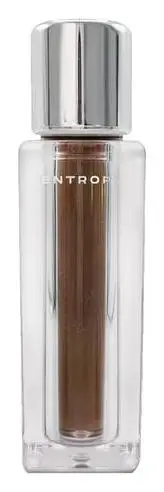
Entropy Tulle Gloss
Lip gloss with 31 ingredients that contains exfoliants and peptides
We independently verify ingredients, backed by peer-reviewed research. Suggest an update.
What's inside
Ingredients List
Bis-Behenyl/Isostearyl/Phytosteryl Dimer Dilinoleyl Dimer Dilinoleate
EmollientHydrogenated Polyisobutene
EmollientDiisostearyl Malate
EmollientIsononyl Isononanoate
EmollientPolyglyceryl-2 Triisostearate
Emulsifying

Silica Dimethyl Silylate
EmollientSynthetic Wax
Abrasive

1,2-Hexanediol
Skin Conditioning
Cetyl PEG/PPG-10/1 Dimethicone
Emulsifying
Microcrystalline Wax
Emulsion StabilisingCaprylyl Glycol
Emollient
Silica Silylate
Emollient
Titanium Dioxide
Cosmetic Colorant

Calcium Aluminum Borosilicate
Ethylene/Propylene Copolymer
Abrasive
Benzyl Benzoate
Antimicrobial



CI 17200
Cosmetic ColorantParfum
Masking
Water
Skin ConditioningTin Oxide
Abrasive
Anise Alcohol
Perfuming
Pentaerythrityl Tetra-Di-T-Butyl Hydroxyhydrocinnamate
Antioxidant
CI 77499
Cosmetic ColorantCI 19140
Cosmetic ColorantBlue 1 Lake
Cosmetic ColorantTripeptide-1
Skin Conditioning

Tripeptide-2
Skin Conditioning
Palmitoyl Pentapeptide-4
Skin Conditioning
Palmitoyl Tetrapeptide-7
Skin Conditioning
Acetyl Hexapeptide-8
Humectant
Acetyl Octapeptide-3
Humectant
Bis-Behenyl/Isostearyl/Phytosteryl Dimer Dilinoleyl Dimer Dilinoleate, Hydrogenated Polyisobutene, Diisostearyl Malate, Isononyl Isononanoate, Polyglyceryl-2 Triisostearate, Silica Dimethyl Silylate, Synthetic Wax, 1,2-Hexanediol, Cetyl PEG/PPG-10/1 Dimethicone, Microcrystalline Wax, Caprylyl Glycol, Silica Silylate, Titanium Dioxide, Calcium Aluminum Borosilicate, Ethylene/Propylene Copolymer, Benzyl Benzoate, CI 17200, Parfum, Water, Tin Oxide, Anise Alcohol, Pentaerythrityl Tetra-Di-T-Butyl Hydroxyhydrocinnamate, CI 77499, CI 19140, Blue 1 Lake, Tripeptide-1, Tripeptide-2, Palmitoyl Pentapeptide-4, Palmitoyl Tetrapeptide-7, Acetyl Hexapeptide-8, Acetyl Octapeptide-3
Key Ingredients
Benefits
Concerns
Ingredients Explained
This ingredient is an emollient and skin conditioning agent.
Hydrogenated Polyisobutene is a synthetic polymer. Polymers are compounds with high molecular weight. Hydrogenated Polyisobutene is an emollient and texture enhancer.
In one study, Hydrogenated Polyisobutene showed better skin hydration levels than Caprylic/Capric Triglyceride. As an emollient, it helps keep your skin soft and hydrated by trapping moisture in.
Hydrogenated Polyisobutene is often used as a mineral oil replacement.
Learn more about Hydrogenated PolyisobuteneDiisostearyl Malate is an emollient and most often used in lip products. It comes from isostearyl alcohol, a fatty acid, and malic acid, an AHA.
As an emollient, Diisostearyl Malate helps create a thin film on your skin to trap moisture in. This helps keep your skin soft and smooth.
Isononyl Isononanoate is a synthetic skin-conditioner and texture enhancer. It is created from nonanoic acid, a fatty acid found in cocoa and lavender oil.
As an emollient, Isononyl Isononanoate helps keep your skin soft and smooth. This is because emollients create a barrier on the skin to trap moisture in.
Isononyl Isononanoate helps give products a velvet feel and improves spreadability.
Learn more about Isononyl IsononanoatePolyglyceryl-2 Triisostearate is a plant-derived emulsifier and pigment-dispersing agent with a non-sticky skin feel.
It helps products glide on smoothly and prevents oil and water from separating in a formula, making it suitable for sunscreen and makeup formulations.
The EU inventory of cosmetics has no use restrictions on this ingredient and it is considered well-tolerated.
This ingredient may not be fungal acne safe because it is derived from isostearic acid.
Learn more about Polyglyceryl-2 TriisostearateThis silica is mainly used to thicken oils and suspend particles in oils. It is not water soluble.
According to the manufacturer, it:
The manufacturer also claims this ingredient to be useful in makeup.
In lipstick formulations, this ingredient improves color payoff, reduces pigment settling, and reduces oil bleeding. This ingredient also improves the grip of powder products such as dry shampoos.
Learn more about Silica Dimethyl SilylateSynthetic Wax is a manufactured hydrocarbon wax. In formulas, it works as an occlusive emollient that helps reduce water loss and improves the spreadability of products.
Research comparing synthetic wax to traditional mineral-derived products found that formulas containing it perform as well for skin hydration.
It is considered non-comedogenic and vegan-friendly.
This ingredient has a well-established safety record by the CIR Expert Panel for Cosmetic Ingredient Safety.
Synthetic Waxes are straight/branched-chain hydrocarbons with no ester bond or fatty acids. That means there is nothing for the Malassezia yeast to feed on.
Learn more about Synthetic Wax1,2-Hexanediol is a synthetic liquid and another multi-functional powerhouse.
It is a:
- Humectant, drawing moisture into the skin
- Emollient, helping to soften skin
- Solvent, dispersing and stabilizing formulas
- Preservative booster, enhancing the antimicrobial activity of other preservatives
This ingredient is a silicone-based emulsifer that helps the water and oil phases play nicely together.
It's pretty effective because one end of the molecule loves oil and the other one loves water.
Besides holding formulas together, it also leaves a silky and lightweight feel on skin without the greasiness. A manufacturer also claims it can help with the controlled release of active ingredients.
The CIR Expert Panel found this ingredient to not be sensitizing in concentrations up to 15% in human maximazation testing and dimethicone-based compounds were not comedogenic.
It has a high molecular weight well above 1,000 g/mol which means it limits meaningful skin penetration.
A 2019 study specifically tested this ingredient and found no observable Malassezia growth in its presence.
Learn more about Cetyl PEG/PPG-10/1 DimethiconeMicrocrystalline Wax is derived from petroleum through a de-oiling process, then highly refined and purified before use in cosmetics.
In skincare formulations, it is used to improve texture and create a smooth, even consistency. It also helps stabilize products by preventing ingredients from separating.
Caprylyl Glycol is a humectant, skin conditioner, emollient, and preservative booster derived from either caprylic acid or synthetically created.
Typical use levels vary from 0.3-1% as a preservative booster and go up to 2% to condition skin.
Because it is not a free-fatty acid, this ingredient is fungal acne safe (there's nothing for Malassezia to feed on).
Learn more about Caprylyl GlycolSilica Silylate is a siloxane polymer, meaning it is made up of silicon and oxygen atoms. It is not soluble in water.
This ingredient is a white powder with oil-absorbing, emollient, and anticaking properties.
Titanium Dioxide (TD) is a mineral UV filter widely used in sunscreens and cosmetics.
It's one of only two UV filters officially classified as "mineral" by regulatory agencies (the other being Zinc Oxide).
A really common myth is that mineral filters work by reflecting UV light off your skin like tiny mirrors.
They don't only do that; modern research shows TD protects mostly by absorbing UV radiation, the same way chemical filters do.
When researchers measured this, reflection accounted for only about 4-5% of the protection (and less than SPF 2 on its own). The other ~95% comes from absorption: the UV photons hit the particle and their energy gets soaked up by its semiconductor band gap rather than bouncing off.
So "reflects vs. absorbs" was never really the right way to split mineral from chemical filters.
TD gives broad-spectrum protection that's strongest in the UVB and UVA-2 range and weaker in the UVA-1 range. Its UVA protection isn't quite as strong as Zinc Oxide's which is why you'll often see the two paired together.
Together, they make a solid broad-spectrum system.
TD is a great pick for sensitive, acne-prone, or redness-prone skin because it's non-irritating and chemically inert. Regulatory reviews classify it as a non-sensitizer and mild-to-non-irritant.
It's also unlikely to cause the "eye sting" some chemical filters are known for.
The main trade-off is cosmetic; TD can leave a white cast and has a thicker texture. This is why mineral sunscreens are often less cosmetically elegant than chemical or hybrid formulas (and harder to shade-match on deeper skin tones).
Formulators often use micronized or nano-sized TD to cut down on white case and improve spreadability. Smaller particles scatter less visible light so the formula looks less chalky while still filtering UV.
TD is almost always bundled with coatings like Alumina, Silica, Stearic Acid, or Dimethicone. These coatings do two important jobs:
TD can be used at up to 25% in a finished sunscreen; this is the regulatory ceiling in both the US and the EU.
In practice, the amount in any given product varies a lot depending on the target SPF and whether it's paired with other UV filters.
TD is one of the most heavily vetted sunscreen ingredients out there. It is approved as a UV filter in all major markets worldwide, including the US, EU, UK, Japan, Korea, China, Australia, and Canada.
The safety evidence is solid. There was an old worry that nano particles might absorb through skin into the body but multiple studies (including on damaged, sunburned, and UV-irradiated skin) have shown that TD stays on the surface and the layer of dead skin cells on top of everything else.
There's also no evidence of carcinogenicity, mutagenicity, or reproductive toxicity from dermal exposure of this ingredient.
For those who have seen the headline about a 2022 EU ban on TD, that was on TD as a food additive (a complete separate use from topical sunscreen).
There are ongoing questions about how nano-TD might affect marine ecosystems. As of now, there has been no conclusive evidence that any form of TD (or any other sunscreen filter) harms coral reefs or marine life.
The science is still developing and it's a space worth watching rather than packing over.
However, several destinations have reef-safety sunscreen rules that restrict certain chemical filters and steer visitors toward mineral, non-nano options. If you're traveling somewhere with these rules, a non-nano mineral sunscreen is the safe bet.
Learn more about Titanium DioxideCalcium Aluminum Borosilicate is made up of calcium, aluminum, and silicates. It is a glass-like material. In cosmetics, it comes in the form of flakes or microspheres.
Calcium aluminum borosilicate is a bulking agent, meaning it helps thicken a product.
This ingredient is created by slowly mixing several minerals, including kaolin clay.
Although “aluminum” in an ingredient name can raise red flags for some consumers, the form and usage context matter significantly. For typical topical applications, there is no substantial evidence of health risks - such as cancer, neurotoxicity, or systemic “aluminum overload.”
Learn more about Calcium Aluminum BorosilicateEthylene/Propylene Copolymer is an exfoliant.
Benzyl Benzoate is usually created from the condensation of benzoic acid and benzyl alcohol. It is used as a preservative, solvent, and has a floral/balsamic scent in large amounts.
As a preservative, Benzyl Benzoate works against bacteria and fungus. It is often used to treat scabies and lice in medicine.
Solvents are used to keep ingredients together in a product. They can help dissolve ingredients to stable bases or help evenly distribute ingredients throughout the product.
Due to its fragrance, Benzyl Benzoate can be sensitizing and may cause contact dermatitis. It is a known EU allergen. We recommend speaking with a professional if you have any concerns.
Benzyl Benzoate can be naturally found in cranberries and peaches.
Learn more about Benzyl BenzoateCI 17200 is a synthetic, water-soluble, reddish-pink dye. It is used purely as a cosmetic colorant.
In the US, the FDA permits this ingredient in cosmetics but it is not approved for use around the eyes while the EU allows this to be used in all cosmetic products.
The FDA requires batch-to-batch certification for this ingredient that is held to a pretty rigorous standard. That means the CI 17200 in your cosmetics has been tested and approved before it ever reaches you.
Contact allergy to cosmetic-grade dyes used at low concentrations are uncommon but has been documented before.
This ingredient also goes by the name D&C RED NO. 33.
CI 17200 has a comedogenic rating of 1 and an irritancy rating of 2 on a scale of 0-5. This is based on peer-reviewed research from the man who invented the comedogenic scale.
A 1 on the comedogenic scale is about as low as it gets without being a flat zero, and makes sense for CI 17200.
It's a water-soluble dye used at very small concentrations (typically 0.001-0.1%), so it dissolves into the water phase of a formula rather than sitting on your skin the way an oil or wax would.
The irritancy rating of 2 reflects that, like most synthetic dyes, there's a small possibility of mild irritation ( particularly for people with existing dye sensitivities).
For the vast majority of people, it's a non-issue at typical use levels.
It's also worth keeping in mind that comedogenic and irritancy ratings are tested on individual ingredients, not finished formulas. The final product's formulation, concentration, and other ingredients all play a role in how something actually behaves on your skin.
Just so you know, the FDA ban on Red Dye No. 3 refers to CI 45430, not this ingredient. CI 45430 and CI 17200 are different chemical compounds with distinct safety and regulatory histories.
It's also worth noting that Red No. 3 (CI 45430) was already banned from cosmetics back in 1990, so the 2025 action just extended the ban to food and oral drugs. CI 17200 was never part of any of this.
Learn more about CI 17200Parfum is a catch-all term for an ingredient or more that is used to give a scent to products.
Also called "fragrance", this ingredient can be a blend of hundreds of chemicals or plant oils. This means every product with "fragrance" or "parfum" in the ingredients list is a different mixture.
For instance, Habanolide is a proprietary trade name for a specific aroma chemical. When used as a fragrance ingredient in cosmetics, most aroma chemicals fall under the broad labeling category of “FRAGRANCE” or “PARFUM” according to EU and US regulations.
The term 'parfum' or 'fragrance' is not regulated in many countries. In many cases, it is up to the brand to define this term.
For instance, many brands choose to label themselves as "fragrance-free" because they are not using synthetic fragrances. However, their products may still contain ingredients such as essential oils that are considered a fragrance by INCI standards.
One example is Calendula flower extract. Calendula is an essential oil that still imparts a scent or 'fragrance'.
Depending on the blend, the ingredients in the mixture can cause allergies and sensitivities on the skin. Some ingredients that are known EU allergens include linalool and citronellol.
Parfum can also be used to mask or cover an unpleasant scent.
The bottom line is: not all fragrances/parfum/ingredients are created equally. If you are worried about fragrances, we recommend taking a closer look at an ingredient. And of course, we always recommend speaking with a professional.
Learn more about ParfumWater. It's the most common cosmetic ingredient of all. You'll usually see it at the top of ingredient lists, meaning that it makes up the largest part of the product.
So why is it so popular? Water most often acts as a solvent - this means that it helps dissolve other ingredients into the formulation.
You'll also recognize water as that liquid we all need to stay alive. If you see this, drink a glass of water. Remember to stay hydrated!
Learn more about WaterTin Oxide is an inorganic oxide used to add opacity and volume to a product. In nature, it is already found in mineral form. The main ore of tin is an opaque and shiny mineral called casseterite.
Tin Oxide helps remove translucency in a product, or make it more opaque. Besides adding opacity, tin oxide is used for bulking to add volume.
Anise Alcohol is a colorless liquid and a type of benzyl alcohol. It is often described to have a "vanilla-like" or "lilac-like" scent.
Anise Alcohol is a known EU allergen, meaning it is known to cause contact dermatitis.
Pentaerythrityl Tetra-Di-T-Butyl Hydroxyhydrocinnamate (long name, huh?) is a synthetic antioxidant.
It is used to help stabilize other antioxidants or prevent the color from changing in a product.
As an antioxidant, it helps fight free-radical molecules. Free-radical molecules are capable of damaging our cells and other genetic material. Thus, antioxidants may reduce the signs of aging.
This ingredient is oil-soluble.
Learn more about Pentaerythrityl Tetra-Di-T-Butyl HydroxyhydrocinnamateCi 77499 is also hydrated iron III oxide. It is created from mixing red and black iron oxides. This helps give shades of darkness to a product.
Iron III oxides are classified as inorganic chemicals for coloring.
CI 19140 is also known as Tartrazine. Tartrazine is a synthetic dye used in cosmetics, foods, and medicine to add a yellow color.
Tartrazine is created from petroleum and is water-soluble.
Some people may experience allergies from this dye, especially asthmatics and those with an aspirin intolerance.
Learn more about CI 19140We don't have a description for Blue 1 Lake yet.
Tripeptide-1, also known as GHK), is a small, three-amino-acid peptide made up of glycine, histidine, and lysine.
This ingredient is a signal peptide and tell your skin to start producing fresh collagen, elastin, and other key structural proteins. This helps maintain firmness and reduces the look of fine-lines/wrinkles.
GHK is also unique because is also acts as a carrier peptide. It binds to and transports copper ions (forming the complex GHK-Cu). This form has been studied for decades and is known to stimulate wound healing, boost antioxidant defenses, and promote collagen/elastin synthesis.
In-vitro studies show both GHK and GHK-CU increase fibroblast activity that enhances the production of collagen, elastin, fibronectin, and other extracellular matrix components.
Both of these compounds also help balance enzymes that control collagen breakdown.
Human studies (in-vivo) using GHK-Cu creams have reported visible improvements to skin density, elasticity, and wrinkle depth after several weeks of use.
A small clinical study also found topical collagen tripeptide improved wrinkle appearance and skin elasticity in women after four weeks.
While these results are promising, most research is based on GHK-Cu or its derivatives rather than Tripeptide-1 alone (Palmitoyl Tripeptide-1 is a famous derivative of GHK). However, the consensus still supports GHK as a potent skin-signaling molecule that can encourage regeneration and maintain youthful looking skin.
Fun fact: GHK is a naturally occurring fragment of type 1 collagen that can be found in human plasma, saliva, and urine.
Learn more about Tripeptide-1Tripeptide-2 protects our collagen and elastin fibers to slow down the process of aging. It does this by inhibiting the proteins responsible for the breakdown of collagen and elastin.
You might know this ingredient as Matrixyl. It is a synthetic peptide made up of five amino acids attached to a palmitic acid, a fatty acid that helps it absorb into skin more easily.
As a signal peptide, Matrixyl acts like a little messenger. Once it reaches your skin cells, it tells them to ramp up production of collagen, elastin, and other proteins that keep skin looking firm and smooth.
A 12 week clinical study found that a moisturizer containing just 3 ppm of Matrixyl led to a significant improvement in fine-lines and wrinkles. Another study showed an 18% reduction in wrinkle depth, 37% reduction in wrinkle thickness, and a 21% improvement in skin firmness after just 28 days of twice-daily use.
The coolest part is that it works at incredibly low concentrations (like 0.0003%) and it plays well with other actives.
The CIR (Cosmetic Ingredient Review) panel found it to be non-sensitizing across multiple tests and human patch tests also showed no irritation or sensitization.
Fun fact: Matrixyl was originally developed by French company Sederma and Procter & Gamble.
Read more about other common types of peptides here:
Learn more about Palmitoyl Pentapeptide-4Palmitoyl Tetrapeptide-7 (formerly Palmitoyl Tetrapeptide-3) is a synthetic peptide. Its main job is to fight what researchers call "inflammaging".
"Inflammaging" is the slow, low-grade chronic inflammation that quietly breaks down collagen as we age.
This ingredient calms down a specific inflammation signal in your skin cells (called IL-6). When left unchecked, this signal triggers enzymes that break down collagen and elastin.
Clinical testing showed statistically significant improvements in:
Studies also found the more of this ingredient used, the more your skin produces Collagen I, fibronectin, and hyaluronic acid.
You'll likely see this ingredient paired with Palmitoyl Tripeptide-1 in the well-known Matrixyl 3000 complex for enhanced anti-aging effects.
A 3% concentration applied twice daily for two months showed meaningful skin rejuvenation results in clinical panels.
Fungal acne note:
Usually a palmitic acid component can feed Malassezia in unbound form, but here is is covalently bonded to the peptide. This means it is very difficult for Malassezia to access, and therefore very unlikely to cause fungal acne.
Acetyl Hexapeptide-8 (also known as Argireline) is a synthetic hexapeptide that is often called a "topical Botox alternative".
It works by mimicking how Botox relaxes muscles; it interferes with the signaling process that tells your facial muscles to contract. This can help soften expression lines like forehead wrinkles or crow's feet over time.
The comparison to Botox does have limits because the molecule is water-loving and relatively large.
Acetyl Hexapeptide-8 has a hard time absorbing deeply enough through the skin's outer barrier to actually reach the muscles.
So whether it truly works the way Botox does at a biological level is still up for debate, but early clinical outcomes are fairly encouraging.
A 12 week human study of a multi-ingredient regimen containing this ingredient saw:
While some studies have observed improvements in wrinkle appearance, it is important to note that more consistent results are seen in multi-ingredient formulations (vs just Acetyl Hexapeptide-8 alone).
Some research studies also used higher concentrations (up to 10%) while this ingredient is usually found in concentrations up to 0.005% in leave-on formulations.
Learn more about Acetyl Hexapeptide-8Acetyl Octapeptide-3 is a synthetic peptide also commonly known as SNAP-8. It is a lab-made peptide often marketed as a gentler, topical alternative to Botox.
It works by mimicking part of a protein involved in muscle contractions, which may help relax facial tension and reduce the appearance of fine lines (mostly around the eyes and forehead).
It’s considered a “next-gen” version of Argireline (Acetyl Hexapeptide-8), an older peptide with more research behind it that also supports collagen production.
SNAP-8 showed slightly better results than Argireline in one small manufacturer-funded study, but there’s limited independent research. Plus, most tests use concentrations higher than what’s typically found in skincare products.
This ingredient might offer a subtle smoothing effect but it won't don’t deliver the dramatic results of actual Botox injections.
Think of it more like a supporting actor in your skincare lineup.
Learn more about Acetyl Octapeptide-3Reviews
No written reviews yet. Be the first to review this product.
Recent searches
Search reviews by skin type, ingredient, or keyword.
Where it's from
Entropy is a Korean brand


We're dedicated to providing you with the most up-to-date and science-backed ingredient info out there.
The data we've presented on this page has been verified by a member of the SkinSort Team.
Read more about us· Updated September 8, 2026 • Added by raggedrobbin


