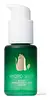
This hydrating serum is formulated around Panthenol and Sodium Hyaluronate to hydrate skin and strengthen the skin barrier.
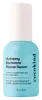
This hydrating serum is formulated around Zinc PCA and Sodium PCA to hydrate skin and strengthen the skin barrier.


What's inside
What's inside
 Key Ingredients
Benefits
Concerns
No concerns
Ingredients Side-by-side
Palmaria Palmata Extract
Skin Protecting

Water
Skin ConditioningPentylene Glycol
Skin Conditioning
Glycerin
Humectant

Sodium Levulinate
Skin ConditioningPanthenol
Skin Conditioning

Parfum
Masking



Xanthan Gum
EmulsifyingPropanediol
Solvent
Sodium Anisate
AntimicrobialSclerotium Gum
Emulsion StabilisingLecithin
Emollient
Pullulan
Propylene Glycol
Humectant
Hylocereus Undatus Fruit Extract
Skin ConditioningCitric Acid
Buffering

Macrocystis Pyrifera Extract
Skin Conditioning
Sucrose
Humectant
Aphanizomenon Flos-Aquae Extract
HumectantHydrolyzed Glycosaminoglycans
HumectantSilica
Abrasive


Sodium Hyaluronate
Humectant

Hyaluronic Acid
Humectant
Lactobacillus Ferment Lysate
Skin Conditioning
Hydrolyzed Hyaluronic Acid
Humectant
Taraxacum Officinale Leaf Extract
Skin ConditioningSaccharomyces Ferment
Skin Conditioning
Engelhardtia Chrysolepis Leaf Extract
Skin ConditioningChondrus Crispus Extract
Skin Conditioning
Enteromorpha Compressa Extract
Skin Protecting
Ulva Lactuca Extract
Skin ConditioningUndaria Pinnatifida Extract
Skin ConditioningBenzoic Acid
Masking
Benzyl Alcohol
Perfuming

1,2-Hexanediol
Skin Conditioning
Potassium Sorbate
Preservative
Sodium Benzoate
Masking
Palmaria Palmata Extract, Water, Pentylene Glycol, Glycerin, Sodium Levulinate, Panthenol, Parfum, Xanthan Gum, Propanediol, Sodium Anisate, Sclerotium Gum, Lecithin, Pullulan, Propylene Glycol, Hylocereus Undatus Fruit Extract, Citric Acid, Macrocystis Pyrifera Extract, Sucrose, Aphanizomenon Flos-Aquae Extract, Hydrolyzed Glycosaminoglycans, Silica, Sodium Hyaluronate, Hyaluronic Acid, Lactobacillus Ferment Lysate, Hydrolyzed Hyaluronic Acid, Taraxacum Officinale Leaf Extract, Saccharomyces Ferment, Engelhardtia Chrysolepis Leaf Extract, Chondrus Crispus Extract, Enteromorpha Compressa Extract, Ulva Lactuca Extract, Undaria Pinnatifida Extract, Benzoic Acid, Benzyl Alcohol, 1,2-Hexanediol, Potassium Sorbate, Sodium Benzoate
Water
Skin ConditioningGlycerin
Humectant
Propanediol
Solvent
Coco-Caprylate/Caprate
Emollient
Caprylic/Capric Triglyceride
Masking
Sodium Acrylates Copolymer
Pentylene Glycol
Skin Conditioning
Lecithin
Emollient
Caprylyl Glycol
Emollient
Ethylhexylglycerin
Skin ConditioningZinc PCA
Humectant

Sodium PCA
Humectant
Magnesium PCA
Humectant
Manganese PCA
HumectantXanthan Gum
EmulsifyingMaltodextrin
Absorbent
Hydrolyzed Glycosaminoglycans
HumectantSodium Hyaluronate
Humectant
Hyaluronic Acid
Humectant
Hydrolyzed Hyaluronic Acid
Humectant
Polyglutamic Acid
Skin Conditioning
Beta-Glucan
Skin Conditioning
Tremella Fuciformis Polysaccharide
Emulsion Stabilising
Pullulan
Sclerotium Gum
Emulsion StabilisingSilica
Abrasive
Glyceryl Acrylate/Acrylic Acid Copolymer
HumectantChlamydomonas Extract
Skin ConditioningWater, Glycerin, Propanediol, Coco-Caprylate/Caprate, Caprylic/Capric Triglyceride, Sodium Acrylates Copolymer, Pentylene Glycol, Lecithin, Caprylyl Glycol, Ethylhexylglycerin, Zinc PCA, Sodium PCA, Magnesium PCA, Manganese PCA, Xanthan Gum, Maltodextrin, Hydrolyzed Glycosaminoglycans, Sodium Hyaluronate, Hyaluronic Acid, Hydrolyzed Hyaluronic Acid, Polyglutamic Acid, Beta-Glucan, Tremella Fuciformis Polysaccharide, Pullulan, Sclerotium Gum, Silica, Glyceryl Acrylate/Acrylic Acid Copolymer, Chlamydomonas Extract
Reviews
Ingredients Explained
These ingredients are found in both products.
Ingredients higher up in an ingredient list are typically present in a larger amount.
Glycerin (or glycerol) is a compound naturally found in your skin. It's a powerhouse humectant that pulls water into the stratum corneum.
Topically, glycerin does several things at once:
Your skin makes glycerin on its own (mostly from sebaceous oil breakdown) and shuttles it to your outermost layer of skin, or your epidermis, via aquaporin-3.
Aquaporin-3 is a transporter that is essential for normal skin hydration, elasticity, and repair. Interestingly, mice lacking in AQP3 have dry and less elastic skin that can be fully corrected with glycerin.
This ingredient is non-irritating, plays well with almost every ingredient, and works across all skin types. Typical use is anywhere between 3-10% but can go up to 79% in some leave-on products.
Just know very high concentrations (>40%) can feel tacky in low humidity.
Glycerin is the name for this ingredient in American English. British English uses Glycerol/Glycerine.
Learn more about GlycerinHyaluronic acid (HA) is a glycosaminoglycan (basically a long sugar chain) that your skin already makes on its own. In your skin, HA lives in the extracellular matrix and acts as the body's moisture reservoir.
Topically, HA is a humectant that binds water and helps skin look more plump, smooth, and hydrated.
The only catch is that HA isn't a single thing; it actually comes in a wide range of molecular weights (~50 - 2,000+ kDA) and size matters.
Some clinical evidence links low molecular weight versions to improved wrinkle depth, elasticity, anti-inflammatory effects, and barrier repair.
This is why the best HA serums blend the two sizes together so you get the best of both worlds.
The majority of cosmetic HA is produced by bacterial fermentation, typically using Streptococcus or Bacillus strains. Typical use levels in skincare sit around 0.1-2%.
A clinical study using a 0.2% low-molecular weight HA gel showed improvement in facial seborrheic dermatitis with excellent tolerance.
These are some other common types of Hyaluronic Acid:
Learn more about Hyaluronic AcidWe don't have a description for Hydrolyzed Glycosaminoglycans yet.
Hydrolyzed Hyaluronic Acid is hyaluronic acid (HA) that is broken down into lower molecular weight fragments.
It's a humectant that pulls and holds water in the skin to help with hydration, plumpness, and reduce transepidermal water loss.
Because hydrolyzed hyaluronic acid is smaller in size, it can slip past your outermost layer of skin more easily than full-sized HA.
Most formulations will combine all sizes to get the best of both worlds.
Typical usage levels range from 0.01-1%. Any percentage higher than 2% might become goopy and tacky.
Learn more about Hydrolyzed Hyaluronic AcidLecithin is a term for a group of substances found in the cell membranes of plants, animals, and humans. They are made up of phospholipids.
Thanks to its amphiphilic structure (water-loving head and oil-loving tail), it is a true multitasker:
It plays well with most ingredients and is typically used at 0.1-1%. However, concentrations up to 50% have been reported in moisturizers.
Learn more about LecithinPentylene Glycol (1,2-pentanediol) is a multitasking little diol with three main roles in a formula:
Research on alkanediols (the family pentylene glycol belongs to) show they work by disrupting microbial cell membranes. This disruption helps the primary preservative system in a product work more effectively at lower doses.
On the safety side, the Cosmetic Ingredient Review Expert Panel has concluded this ingredient to be safe as used in current cosmetic practices + concentrations.
Typical use levels in a formula run about 1-5%.
Learn more about Pentylene GlycolPropanediol is an all-star ingredient. It softens, hydrates, and smooths the skin.
It’s often used to:
Propanediol is not likely to cause sensitivity and considered safe to use. It is derived from corn or petroleum with a clear color and no scent.
Learn more about PropanediolPullulan is a low viscosity polysaccharide (a long chain carbohydrate) with binding and film forming properties when dissolved in water. It is used to create a "silicone-like" or silky feel in cosmetics without adding viscosity.
According to a manufacturer, this ingredient's ability to easily dissolves makes it a great carrier for active ingredients.
Due to it being edible and tasteless, you'll likely find this ingredient in breath freshener strips. This ingredient is produced from the starch of the fungus, Aureobasidium pullulans.
Pullulan is stable over a broad-range of pH.
Learn more about PullulanSclerotium Gum is a natural sugar-based fiber made by fermenting a fungus called Sclerotium rolfsii. It's often used as the plant-friendly alternative for synthetic thickeners like carbomer.
In skincare, it works as a thickener, gel former, and stabilizer that keeps heavy ingredients suspended so a product does not separate.
It is non-ionic and forms a triple helix in solution. This is just a fancy way of saying it builds a smooth, cushiony, and non-sticky gel that feels silkier than many other gums.
Another perk of this ingredient is that it is very sturdy and holds up across a wide pH range (~2-11). It's also good at resisting heat and hydrolysis.
Since it holds water at the skin surface, it can provide some light hydration as well.
Typical use levels are around 0.25-2%; formulators usually use 0.2-0.5% to thicken lotions and up to 2% for a firmer gel base.
This ingredient has been found safe in cosmetics with no meaningful evidence of skin sensitization.
Learn more about Sclerotium GumSilica, also known as silicon dioxide, is a naturally occurring mineral. It is used as a fine, spherical, and porous powder in cosmetics.
Though it has exfoliant properties, the function of silica varies depending on the product.
The unique structure of silica enhances the spreadability and adds smoothness, making it a great texture enhancer.
It is also used as an active carrier, emulsifier, and mattifier due to its ability to absorb excess oil.
In some products, tiny microneedles called spicules are made from silica or hydrolyzed sponge. When you rub them in, they lightly polish away dead skin layers and enhance the penetration of active ingredients.
Learn more about SilicaSodium Hyaluronate is the salt form of hyaluronic acid. It is a long sugar chain that is naturally found in your skin, joints, and connective tissue that maintains hydration and elasticity.
In skincare, it works as a humectant. It pulls water from the environment and deeper layers of skin and binds it to the surface.
Interestingly, the size of the molecule affects its behavior:
Some clinical evidence links low molecular weight versions to improved wrinkle depth, elasticity, anti-inflammatory effects, and barrier repair.
Many serums use a blend of both weights so you can get surface hydration plus longer-lasting and deeper effects.
You'll typically see concentrations between 0.1-2% for this ingredient.
Learn more about Sodium HyaluronateWater. It's the most common cosmetic ingredient of all. You'll usually see it at the top of ingredient lists, meaning that it makes up the largest part of the product.
So why is it so popular? Water most often acts as a solvent - this means that it helps dissolve other ingredients into the formulation.
You'll also recognize water as that liquid we all need to stay alive. If you see this, drink a glass of water. Remember to stay hydrated!
Learn more about WaterXanthan gum is used as a stabilizer and thickener within cosmetic products. It helps give products a sticky, thick feeling - preventing them from being too runny.
On the technical side of things, xanthan gum is a polysaccharide - a combination consisting of multiple sugar molecules bonded together.
Xanthan gum is a pretty common and great ingredient. It is a natural, non-toxic, non-irritating ingredient that is also commonly used in food products.
Learn more about Xanthan Gum


