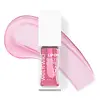
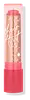
This lip moisturizer is formulated around Butyrospermum Parkii Butter and Sodium Hyaluronate to hydrate lips.

What's inside
What's inside
 Key Ingredients
Benefits
Concerns
Ingredients Side-by-side
Polybutene
Cetyl Ethylhexanoate
EmollientTridecyl Trimellitate
EmollientHydrogenated Styrene/Isoprene Copolymer
Hydrogenated Polycyclopentadiene
Aroma


Phenoxyethanol
Preservative
Tocopheryl Acetate
Antioxidant


Menthol
Masking




Pentaerythrityl Tetra-Di-T-Butyl Hydroxyhydrocinnamate
Antioxidant
Benzotriazolyl Dodecyl P-Cresol
UV AbsorberCamellia Oleifera Seed Oil
Skin Conditioning


Ethylhexylglycerin
Skin ConditioningPersea Gratissima Oil
Skin Conditioning
Prunus Cerasus Seed Oil
Emollient
Sclerocarya Birrea Seed Oil
Humectant
Vaccinium Corymbosum Seed Oil
Antioxidant
Hydrogenated Polyisobutene
EmollientGlycine Soja Oil
Emollient


Helianthus Annuus Seed Oil
Emollient
Rubus Idaeus Fruit Extract
AstringentMethyl Nicotinate
SoothingCapsicum Frutescens Fruit Extract
Skin Conditioning
Zingiber Officinale Root Oil
Masking
Tocopherol
Antioxidant


CI 77491
Cosmetic ColorantCI 77492
Cosmetic ColorantCI 77499
Cosmetic ColorantCI 45410
Cosmetic ColorantCI 73360
Cosmetic ColorantCI 15850
Cosmetic ColorantCI 77891
Cosmetic ColorantCI 19140
Cosmetic ColorantPolybutene, Cetyl Ethylhexanoate, Tridecyl Trimellitate, Hydrogenated Styrene/Isoprene Copolymer, Hydrogenated Polycyclopentadiene, Aroma, Phenoxyethanol, Tocopheryl Acetate, Menthol, Pentaerythrityl Tetra-Di-T-Butyl Hydroxyhydrocinnamate, Benzotriazolyl Dodecyl P-Cresol, Camellia Oleifera Seed Oil, Ethylhexylglycerin, Persea Gratissima Oil, Prunus Cerasus Seed Oil, Sclerocarya Birrea Seed Oil, Vaccinium Corymbosum Seed Oil, Hydrogenated Polyisobutene, Glycine Soja Oil, Helianthus Annuus Seed Oil, Rubus Idaeus Fruit Extract, Methyl Nicotinate, Capsicum Frutescens Fruit Extract, Zingiber Officinale Root Oil, Tocopherol, CI 77491, CI 77492, CI 77499, CI 45410, CI 73360, CI 15850, CI 77891, CI 19140
Octyldodecyl Stearoyl Stearate
Emollient
Diisostearyl Malate
EmollientHydrogenated Polyisobutene
EmollientVp/Hexadecene Copolymer
Synthetic Wax
Abrasive
Polyisobutene
Pentaerythrityl Tetraisostearate
Emollient
Paraffin
Skin Conditioning
Menthyl Lactate
Masking
Cera Microcristallina
Emulsion StabilisingButyrospermum Parkii Butter
Skin Conditioning
Phenoxyethanol
Preservative
Parfum
Masking
Tocopheryl Acetate
Antioxidant
Persea Gratissima Oil
Skin Conditioning
Helianthus Annuus Seed Oil
Emollient
Isohexadecane
EmollientEthylene/Propylene/Styrene Copolymer
Aluminum Hydroxide
EmollientButylene/Ethylene/Styrene Copolymer
Sodium Hyaluronate
Humectant
Xanthan Gum
EmulsifyingTocopherol
Antioxidant
Tripeptide-1
Skin Conditioning
Benzyl Alcohol
Perfuming
Iron Oxides
CI 77891
Cosmetic ColorantCI 15850
Cosmetic ColorantCI 19140
Cosmetic ColorantCI 45410
Cosmetic ColorantCI 42090
Cosmetic ColorantOctyldodecyl Stearoyl Stearate, Diisostearyl Malate, Hydrogenated Polyisobutene, Vp/Hexadecene Copolymer, Synthetic Wax, Polyisobutene, Pentaerythrityl Tetraisostearate, Paraffin, Menthyl Lactate, Cera Microcristallina, Butyrospermum Parkii Butter, Phenoxyethanol, Parfum, Tocopheryl Acetate, Persea Gratissima Oil, Helianthus Annuus Seed Oil, Isohexadecane, Ethylene/Propylene/Styrene Copolymer, Aluminum Hydroxide, Butylene/Ethylene/Styrene Copolymer, Sodium Hyaluronate, Xanthan Gum, Tocopherol, Tripeptide-1, Benzyl Alcohol, Iron Oxides, CI 77891, CI 15850, CI 19140, CI 45410, CI 42090
Ingredients Explained
These ingredients are found in both products.
Ingredients higher up in an ingredient list are typically present in a larger amount.
Ci 15850 is the pigment color red. It is an azo dye and created synthetically.
Azo dyes need to be thoroughly purified before use. This allows them to be more stable and longer-lasting.
This ingredient is common in foundations, lipsticks, and blushes. This color is described as brown/orangey red.
It has many secondary names such as Red 6 and Red 7. According to a manufacturer, Red 6 usually contains aluminum.
Learn more about CI 15850CI 19140 is also known as Tartrazine. Tartrazine is a synthetic dye used in cosmetics, foods, and medicine to add a yellow color.
Tartrazine is created from petroleum and is water-soluble.
Some people may experience allergies from this dye, especially asthmatics and those with an aspirin intolerance.
Learn more about CI 19140CI 45410 is a synthetic red-pigment and dye.
It often goes by both Red 28 or Red 27; manufacturers label both ingredients as CI 45410.
This dye is commonly found in makeup because it imparts a vivid color. Some types of this dye change color based on pH level and interaction with moisture:
Your skin has a natural pH of around 4.5 - 5.5.
According to the FDA, CI 45410 is not permitted for use in eye products.
Red 27 is a flourescein dye and commonly used as a fluorescent tracer in medicine.
Learn more about CI 45410Ci 77891 is a white pigment from Titanium dioxide. It is naturally found in minerals such as rutile and ilmenite.
It's main function is to add a white color to cosmetics. It can also be mixed with other colors to create different shades.
Ci 77891 is commonly found in sunscreens due to its ability to block UV rays.
Learn more about CI 77891Helianthus Annuus Seed Oil is a plant oil derived from the seeds of a sunflower.
It is rich in fatty acids, primarily linoleic acid and oleic acid. This gives it emollient and skin conditioning properties.
The reason this ingredient is so effective is because it forms a thin film on the skin that reduces transepidermal water loss (TEWL) while supplying linoleic acid to the stratum corneum to improve barrier strength.
The high linoleic acid content is particularly noteworthy for acne-prone skin.
Research suggests that acne-prone skin tends to be deficient in linoleic acid in sebum. Topical application may help replenish this to support a healthier follicular environment and less comedone-promoting sebum.
One randomized study found sunflower seed oil preserved skin barrier integrity in adult volunteers with and without atopic dermatitis (outperforming olive oil).
This ingredient is well-studied, gentle, and an effective emollient suitable for most skin types.
On fungal acne: This ingredient may not be Fungal acne (Malassezia folliculitis) safe. This is because it contains fatty acids with carbon chain lengths in the C11-C24 range.
Learn more about Helianthus Annuus Seed OilHydrogenated Polyisobutene is a synthetic polymer. Polymers are compounds with high molecular weight. Hydrogenated Polyisobutene is an emollient and texture enhancer.
In one study, Hydrogenated Polyisobutene showed better skin hydration levels than Caprylic/Capric Triglyceride. As an emollient, it helps keep your skin soft and hydrated by trapping moisture in.
Hydrogenated Polyisobutene is often used as a mineral oil replacement.
Learn more about Hydrogenated PolyisobuteneThis ingredient is also known as Avocado oil. It's the cold-pressed oil from the flesh of the avocado fruit packed with fatty acids (mostly oleic acid).
The rich fatty acid profile allows it to function as a skin conditioning agent and emollient; it helps soften and smooth skin while reducing water loss.
Preclinical research has found that topical avocado oil increased collagen synthesis and reduced inflammation during wound healing, giving it some skin-repairing credibility.
The unsaponifiable fraction of the oil is also interesting: studies on avocado unsaponifiables showed that it helped skin produce more collagen and other structural compounds that support healing.
The CIR Expert Panel has found this ingredient to be non-irritating in formulations.
This ingredient may not be fungal acne safe. This is because the oleic acid content falls within the range that Malassezia can use as a food source.
This ingredient does have a comedogenic rating of 0-3, but this doesn't mean a formula with this ingredient will clog pores. Human testing has proved that any finished product with a comedogenic ingredient won't automatically make you break out; it really comes down to concentration, formula, and your skin.
Learn more about Persea Gratissima OilPhenoxyethanol is one of the most widely used preservatives in skincare (and for good reason!).
It has a large spectrum of antimicrobial activity and especially effective bacteria, yeast, and mold while only having a weak effect on your skin's natural microbiome.
On a cellular level, it disrupts the cell membranes of microbes by poking holes that make the cell leak. This shuts down the chemical reactions the microbe needs to make energy so it can no longer survive.
Another perk of this ingredient is that it stays functional across a wide pH range (3-10).
You'll often see it paired with boosters like Ethylhexylglycerin; one study showed that a 1:9 ratio of Ethylhexylglycerin to Phenoxyethanol damages bacterial membranes as effectively as doubling the Phenoxyethanol concentration on its own.
Typical use concentrations range from 0.3-1% depending on the formula, and this ingredient is capped at 1% int the EU.
Safety-wise, the fear mongering does not hold up to the evidence. The EU's Scientific Committee on Consumer Safety and FDA consider it safe as a preservative at up to 1%, including for children of all ages.
Adverse systemic effects only showed up in animal studies at exposures roughly 200x higher than what people get from cosmetics. And despite its very widespread use, this ingredient is a rare sensitizer and allergic reactions are uncommon.
Learn more about PhenoxyethanolTocopherol is a fat-soluble antioxidant known as Vitamin E.
You'll find this ingredient in the vast majority of skincare (for good reason). It works to neutralize free radicals, or unstable molecules generated by UV exposure, pollution, and other environmental stressors, before they can cause oxidative damage to your skin cells.
Topically applied tocopherol has been shown to protect against UV damage by ramping up the skin's own natural defense enzymes.
It also acts as a skin conditioning agent; some studies show that regular topical use can improve the skin's water-binding capacity over 2-4 weeks.
This ingredient is especially loved for being a team player. When combined with Vitamin C, the photoprotective effect of both ingredients roughly doubles and the combo also helps reduce UV-induced DNA damage.
This ingredient has some brightening potential but it's more of a prevention ingredient than spot-fader. Cell studies show it can slow down melanin production but it's worth noting that it's not the most powerful brightener out there.
In formulations, it also serves as a stabilizer that helps protect other oxidation-prone ingredients from degrading.
Concentrations usually range from 0.1-1% in most leave-on products.
Learn more about TocopherolTocopheryl Acetate is a stable, shelf-friendly form of vitamin E.
Formulators love it because plain vitamin E oxidizes quickly once it hits air. This acetate version stays stable and resists going off, helping to extend a product's shelf life.
It's actually inactive on its own and works like a slow-release "storage" form; the enzymes in your skin called esterases gradually convert it into active vitamin E over time.
One in vivo study showed 5% of the acetate in the living layer of the epidermis converted to vitamin E after 5 days of application. This study also found the skin gained protection against UV damage even though the conversion was slow and small.
Once converted, vitamin E acts as a skin's main fat-soluble antioxidant that fights free radicals to protect skin from damage.
Topical vitamin E generally boosts the skin's photoprotection, and it reduced UV-damage in animal models.
This ingredient has some brightening potential but it's more of a prevention ingredient than spot-fader. Cell studies show it can slow down melanin production but it's worth noting that it's not the most powerful brightener out there.
Overall, it has a pretty solid safety profile and has been found to be non-irritating and non-comedogenic. Allergic reactions may happen but stay rare due to how widely the ingredient gets used.
The concentration will vary depending on the formula; industry data shows 0.1% in baby lotions, 3% in lipsticks, and 5% in foot powders. You can also find this ingredient at 100% in a pure vitamin E oil.
Most leave-on skincare keeps it at the lower end, often between 0.5-1%.
Learn more about Tocopheryl Acetate

