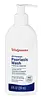
This salicylic acid gel cleanser is formulated around Salicylic Acid to clear breakouts and unclog pores.

What's inside
What's inside
 Key Ingredients
Benefits
Concerns
Ingredients Side-by-side
Salicylic Acid 3%
Masking










Water
Skin ConditioningSodium C14-16 Olefin Sulfonate
Cleansing
Cocamidopropyl Betaine
Cleansing
Pentylene Glycol
Skin Conditioning
Ceramide NP
Skin Conditioning




Ceramide AP
Skin Conditioning
Ceramide EOP
Skin Conditioning
Phytosphingosine
Skin Conditioning
Cocamidopropyl Pg-Dimonium Chloride Phosphate
Ethylhexylglycerin
Skin ConditioningPropylene Glycol
Humectant
Aloe Barbadensis Leaf Juice
Skin Conditioning
Chamomilla Recutita Flower Extract
Masking
Bisabolol
Antioxidant

Farnesol
Perfuming

Caprylyl Glycol
Emollient
Disodium EDTA
ChelatingCholesterol
Emollient
Sodium Lauroyl Lactylate
EmulsifyingCarbomer
Emulsion StabilisingXanthan Gum
EmulsifyingSodium Hydroxide
BufferingPhenoxyethanol
Preservative
Salicylic Acid 3%, Water, Sodium C14-16 Olefin Sulfonate, Cocamidopropyl Betaine, Pentylene Glycol, Ceramide NP, Ceramide AP, Ceramide EOP, Phytosphingosine, Cocamidopropyl Pg-Dimonium Chloride Phosphate, Ethylhexylglycerin, Propylene Glycol, Aloe Barbadensis Leaf Juice, Chamomilla Recutita Flower Extract, Bisabolol, Farnesol, Caprylyl Glycol, Disodium EDTA, Cholesterol, Sodium Lauroyl Lactylate, Carbomer, Xanthan Gum, Sodium Hydroxide, Phenoxyethanol
Water
Skin ConditioningSodium Trideceth Sulfate
Cleansing
Petrolatum
Emollient

Sodium Chloride
MaskingCocamidopropyl Betaine
Cleansing
Trideceth-3
EmulsifyingNiacinamide
Smoothing

Avena Sativa Kernel Extract
Abrasive
Sodium Benzoate
Masking
Sodium Salicylate
Preservative
Sodium Citrate
BufferingGuar Hydroxypropyltrimonium Chloride
Skin ConditioningXanthan Gum
EmulsifyingCitric Acid
Buffering
Glyceryl Oleate
Emollient

Disodium EDTA
ChelatingSodium Hydroxide
BufferingAcrylates/C10-30 Alkyl Acrylate Crosspolymer
Emulsion StabilisingWater, Sodium Trideceth Sulfate, Petrolatum, Sodium Chloride, Cocamidopropyl Betaine, Trideceth-3, Niacinamide, Avena Sativa Kernel Extract, Sodium Benzoate, Sodium Salicylate, Sodium Citrate, Guar Hydroxypropyltrimonium Chloride, Xanthan Gum, Citric Acid, Glyceryl Oleate, Disodium EDTA, Sodium Hydroxide, Acrylates/C10-30 Alkyl Acrylate Crosspolymer
Reviews
Ingredients Explained
These ingredients are found in both products.
Ingredients higher up in an ingredient list are typically present in a larger amount.
Cocamidopropyl Betaine is a fatty acid created by mixing similar compounds in coconut oil and dimethylaminopropylamine, a compound with two amino groups.
This ingredient is a surfactant and cleanser. It helps gather the dirt, pollutants, and other impurities in your skin to be washed away. It also helps thicken a product and make the texture more creamy.
Being created from coconut oil means Cocamidopropyl Betaine is hydrating for the skin.
While Cocamidopropyl Betaine was believed to be an allergen, a study from 2012 disproved this. It found two compounds in unpure Cocamidopropyl Betaine to be the irritants: aminoamide and 3-dimethylaminopropylamine. High-grade and pure Cocamidopropyl Betaine did not induce allergic reactions during this study.
Learn more about Cocamidopropyl BetaineDisodium EDTA is a chelating agent. It grabs onto and deactivates metal ions that sneak into your products from water, packaging, or air.
This ingredient mainly works behind the scenes and helps with:
On top of that, this ingredient can counteract the effects of hard water by binding to the minerals in it.
One thing worth knowing is that Disodium EDTA has been shown to be a mild penetration enhancer. It can help other ingredients absorb into skin more effectively which can be a double-edged sword (great for actives, but can also make the active too strong if you have sensitive skin).
Clinical patch testing showed no significant skin irritation at typical use concentrations and minimal dermal absorption.
You'll most likely see this ingredient near the end of an ingredient list. It's typically found in concentrations less than 1%.
Learn more about Disodium EDTASodium Hydroxide is also known as lye or caustic soda. It is used to adjust the pH of products; many ingredients require a specific pH to be effective.
In small amounts, sodium hydroxide is considered safe to use. However, large amounts may cause chemical burns due to its high alkaline.
Your skin has a natural pH and acid mantle. This acid mantle helps prevent harmful bacteria from breaking through. The acid mantle also helps keep your skin hydrated.
"Alkaline" refers to a high pH level. A low pH level would be considered acidic.
Learn more about Sodium HydroxideWater. It's the most common cosmetic ingredient of all. You'll usually see it at the top of ingredient lists, meaning that it makes up the largest part of the product.
So why is it so popular? Water most often acts as a solvent - this means that it helps dissolve other ingredients into the formulation.
You'll also recognize water as that liquid we all need to stay alive. If you see this, drink a glass of water. Remember to stay hydrated!
Learn more about WaterXanthan gum is used as a stabilizer and thickener within cosmetic products. It helps give products a sticky, thick feeling - preventing them from being too runny.
On the technical side of things, xanthan gum is a polysaccharide - a combination consisting of multiple sugar molecules bonded together.
Xanthan gum is a pretty common and great ingredient. It is a natural, non-toxic, non-irritating ingredient that is also commonly used in food products.
Learn more about Xanthan Gum

