Vilvah Melt-In-Milk Sunscreen Lotion SPF 50 Versus Milba Lab Jeju Lava Sea Water Hydrating Vegan Sun Cream SPF 50+ PA++++
This chemical sunscreen covers the full UV range and blocks ~98% of UVB at SPF 50.
This chemical sunscreen covers the full UV range and blocks ~98% of UVB at SPF 50.


What's inside
What's inside
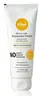 Key Ingredients
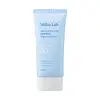
Benefits
Concerns
No concerns
Ingredients Side-by-side


Water
Skin ConditioningDibutyl Adipate
EmollientPropanediol
Solvent

Diethylamino Hydroxybenzoyl Hexyl Benzoate
UV Filter
Polymethylsilsesquioxane

Glycerin
Humectant
Ethylhexyl Triazone
UV Absorber
Methylene Bis-Benzotriazolyl Tetramethylbutylphenol
UV Filter
Niacinamide
Smoothing









Coco-Caprylate/Caprate
Emollient
Caprylyl Methicone
Skin Conditioning
Diethylhexyl Butamido Triazone
UV Absorber
Butylene Glycol
Humectant
Glycol
Humectant1,2-Hexanediol
Skin Conditioning
Pentylene Glycol
Skin Conditioning
Behenyl Alcohol
Emollient
Poly C10-30 Alkyl Acrylate
Emulsion StabilisingPolyglyceryl-3 Methylglucose Distearate
Emulsifying

Decyl Glucoside
Cleansing
Tromethamine
BufferingCarbomer
Emulsion StabilisingAcrylates/C10-30 Alkyl Acrylate Crosspolymer
Emulsion StabilisingSea Water
HumectantSodium Stearoyl Glutamate
CleansingPolyacrylate Crosspolymer-6
Emulsion StabilisingEthylhexylglycerin
Skin ConditioningAdenosine
Skin Conditioning
Sparassis Crispa Extract
Emulsion StabilisingXanthan Gum
EmulsifyingTocopherol
Antioxidant

Adansonia Digitata Seed Extract
Skin ConditioningHydrolyzed Soymilk Protein
Skin ConditioningSodium Hyaluronate
Humectant
Linolenic Acid
Cleansing

Codium Tomentosum Extract
Skin ProtectingEcklonia Cava Extract
Skin Conditioning

Gelidium Cartilagineum Extract
Skin ProtectingHizikia Fusiforme Extract
Skin Conditioning
Borago Officinalis Extract
Emollient
Centaurea Cyanus Flower Extract
Astringent
Chamomilla Recutita Flower/Leaf Extract
AntimicrobialHyacinthus Orientalis Extract
Skin ConditioningLavandula Angustifolia Flower Water
Skin Conditioning
Salvia Sclarea Extract
AntiseborrhoeicWater, Dibutyl Adipate, Propanediol, Diethylamino Hydroxybenzoyl Hexyl Benzoate, Polymethylsilsesquioxane, Glycerin, Ethylhexyl Triazone, Methylene Bis-Benzotriazolyl Tetramethylbutylphenol, Niacinamide, Coco-Caprylate/Caprate, Caprylyl Methicone, Diethylhexyl Butamido Triazone, Butylene Glycol, Glycol, 1,2-Hexanediol, Pentylene Glycol, Behenyl Alcohol, Poly C10-30 Alkyl Acrylate, Polyglyceryl-3 Methylglucose Distearate, Decyl Glucoside, Tromethamine, Carbomer, Acrylates/C10-30 Alkyl Acrylate Crosspolymer, Sea Water, Sodium Stearoyl Glutamate, Polyacrylate Crosspolymer-6, Ethylhexylglycerin, Adenosine, Sparassis Crispa Extract, Xanthan Gum, Tocopherol, Adansonia Digitata Seed Extract, Hydrolyzed Soymilk Protein, Sodium Hyaluronate, Linolenic Acid, Codium Tomentosum Extract, Ecklonia Cava Extract, Gelidium Cartilagineum Extract, Hizikia Fusiforme Extract, Borago Officinalis Extract, Centaurea Cyanus Flower Extract, Chamomilla Recutita Flower/Leaf Extract, Hyacinthus Orientalis Extract, Lavandula Angustifolia Flower Water, Salvia Sclarea Extract
Reviews
Ingredients Explained
These ingredients are found in both products.
Ingredients higher up in an ingredient list are typically present in a larger amount.
This ingredient is also known as Tinosorb M or Bisoctrizole and is a bit of an overachiever in the sunscreen world.
It's a hybrid broad-spectrum filter that covers UVA and UVB (~280-400nm) with peak absorption around 305nm for UVB or 360nm for UVA (and a tiny bit in blue-light territory as well).
One of its best party tricks is photostability; it doesn't break down with repeated sun exposure and doesn't generate free radicals in the process either. You'll also see it paired with wobbly filters like avobenzone because it helps stabilize them.
The safety profile is assuring as well. Because it's a large molecule, it doesn't easily absorb into skin and rarely causes irritation.
It's approved in the EU, Asia, and Australia up to 10% and most formulas land somewhere in the 2-10% range.
You won't find it as a sunscreen active in the US, but it can make an appearance as a formula-protecting UV-absorber.
Learn more about Methylene Bis-Benzotriazolyl TetramethylbutylphenolWater. It's the most common cosmetic ingredient of all. You'll usually see it at the top of ingredient lists, meaning that it makes up the largest part of the product.
So why is it so popular? Water most often acts as a solvent - this means that it helps dissolve other ingredients into the formulation.
You'll also recognize water as that liquid we all need to stay alive. If you see this, drink a glass of water. Remember to stay hydrated!
Learn more about Water

