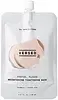
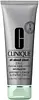
Versed Photos, Please Brightening Tightening Mask Versus Clinique All About Clean™ 2-in-1 Charcoal Mask + Scrub
This wash off mask is made with Kaolin and Citric Acid for a rinse-off oil-control boost.

What's inside
What's inside
 Key Ingredients
Benefits
Concerns
Ingredients Side-by-side
Water
Skin ConditioningKaolin
Abrasive



Glyceryl Stearate Se
Emulsifying




Propylene Glycol
Humectant
Coco-Caprylate/Caprate
Emollient
Polysorbate 20
Emulsifying
Sorbitan Stearate
Emulsifying
Cetyl Alcohol
Emollient
Glyceryl Stearate
Emollient
PEG-100 Stearate
Surfactant
Curcuma Longa Root Extract
Antioxidant

Hamamelis Virginiana Leaf Extract
Skin Conditioning
Bentonite
Absorbent
Citric Acid
Buffering

Tocopheryl Acetate
Antioxidant
Magnesium Aluminum Silicate
Absorbent
1,2-Hexanediol
Skin Conditioning
Phenoxyethanol
Preservative
Xanthan Gum
EmulsifyingTrisodium Ethylenediamine Disuccinate
Glycerin
Humectant

CI 77891
Cosmetic ColorantSodium Benzoate
Masking
Potassium Sorbate
Preservative
Water, Kaolin, Glyceryl Stearate Se, Propylene Glycol, Coco-Caprylate/Caprate, Polysorbate 20, Sorbitan Stearate, Cetyl Alcohol, Glyceryl Stearate, PEG-100 Stearate, Curcuma Longa Root Extract, Hamamelis Virginiana Leaf Extract, Bentonite, Citric Acid, Tocopheryl Acetate, Magnesium Aluminum Silicate, 1,2-Hexanediol, Phenoxyethanol, Xanthan Gum, Trisodium Ethylenediamine Disuccinate, Glycerin, CI 77891, Sodium Benzoate, Potassium Sorbate
Water
Skin ConditioningKaolin
Abrasive
Maltodextrin
Absorbent
Butylene Glycol
Humectant
Silica
Abrasive
Magnesium Aluminum Silicate
Absorbent
Glyceryl Stearate
Emollient
PEG-100 Stearate
Surfactant
Sodium Methyl Cocoyl Taurate
Cleansing
Gentiana Lutea Root Extract
Skin ConditioningLaminaria Saccharina Extract
Skin Protecting
Charcoal Powder
Abrasive
Tocopheryl Acetate
Antioxidant
Acetyl Glucosamine
Skin Conditioning

Caprylyl Glycol
Emollient
Sucrose
Humectant
Xanthan Gum
EmulsifyingDisodium EDTA
Chlorphenesin
Antimicrobial
Phenoxyethanol
Preservative
CI 77891
Cosmetic ColorantCI 77499
Cosmetic ColorantWater, Kaolin, Maltodextrin, Butylene Glycol, Silica, Magnesium Aluminum Silicate, Glyceryl Stearate, PEG-100 Stearate, Sodium Methyl Cocoyl Taurate, Gentiana Lutea Root Extract, Laminaria Saccharina Extract, Charcoal Powder, Tocopheryl Acetate, Acetyl Glucosamine, Caprylyl Glycol, Sucrose, Xanthan Gum, Disodium EDTA, Chlorphenesin, Phenoxyethanol, CI 77891, CI 77499
Reviews
Ingredients Explained
These ingredients are found in both products.
Ingredients higher up in an ingredient list are typically present in a larger amount.
Ci 77891 is a white pigment from Titanium dioxide. It is naturally found in minerals such as rutile and ilmenite.
It's main function is to add a white color to cosmetics. It can also be mixed with other colors to create different shades.
Ci 77891 is commonly found in sunscreens due to its ability to block UV rays.
Learn more about CI 77891Glyceryl Stearate is made by reacting glycerin with stearic acid (typically sourced from plant oils like palm or coconut). It's an emulsifier, emollient, and mild occlusive.
Emulsifiers help ingredients like oil and water stay mixed so your formula stays nicely blended and uniform in texture.
This ingredient is typically used in concentrations between 1-10%. Studies have found it to be non-sensitizing, non-phototoxic, and non-photoallergenic.
A close cousin of this ingredient is Glyceryl Stearate SE ("self-emulsifying"). This just has a small amount of sodium or potassium stearate added so it can emulsify without a co-emulsifier.
Since this ingredient is an ester of a C18 fatty acid, it may not be fungal acne safe. The Malassezia yeast can potentially metabolize within the C11-C24 range.
Fun fact: The human body also creates Glyceryl Stearate naturally.
Learn more about Glyceryl StearateKaolin is a clay. It is used for oil control and to help minimize pores. Like other clays, kaolin has the ability to absorb excess sebum or oil. This can help clean out pores and mattify the skin.
Some types of kaolin may have exfoliating properties. When water is added to kaolin, it becomes a paste with small abrasive particles.
Most kaolin is a white color, but may be pink/orange/red depending on where it comes from.
The name 'kaolin' comes from a Chinese village named 'Gaoling'. Kaolin clay comes from rocks rich in kaolinite. Kaolinite, the mineral, has a silicate layered structure. Kaolinite is formed from chemical weathering of aluminum siilicate minerals.
Besides skincare, kaolin is commonly used to make glossy paper, in ceramics, toothpaste, and as medicine to soothe stomach issues.
Learn more about KaolinMagnesium Aluminum Silicate is a type of silica. It comes from naturally occuring minerals such as silicate ores and clay.
Magnesium aluminum silicate is used for enhancing texture and as an absorbent. Due to its large molecular size, it is unable to be absorbed into the skin.
Like other types of silica, this ingredient can be used to thicken a product. As an absorbent, it may be used to absorb extra water or help prevent clumping.
Although “aluminum” in an ingredient name can raise red flags for some consumers, the form and usage context matter significantly. For typical topical applications, there is no substantial evidence of health risks - such as cancer, neurotoxicity, or systemic “aluminum overload.”
Learn more about Magnesium Aluminum SilicatePeg-100 Stearate is an emollient and emulsifier. As an emollient, it helps keep skin soft by trapping moisture in. On the other hand, emulsifiers help prevent oil and water from separating in a product.
PEGS are a hydrophilic polyether compound . There are 100 ethylene oxide monomers in Peg-100 Stearate. Peg-100 Stearate is polyethylene glycol ester of stearic acid.
Phenoxyethanol is one of the most widely used preservatives in skincare (and for good reason!).
It has a large spectrum of antimicrobial activity and especially effective bacteria, yeast, and mold while only having a weak effect on your skin's natural microbiome.
On a cellular level, it disrupts the cell membranes of microbes by poking holes that make the cell leak. This shuts down the chemical reactions the microbe needs to make energy so it can no longer survive.
Another perk of this ingredient is that it stays functional across a wide pH range (3-10).
You'll often see it paired with boosters like Ethylhexylglycerin; one study showed that a 1:9 ratio of Ethylhexylglycerin to Phenoxyethanol damages bacterial membranes as effectively as doubling the Phenoxyethanol concentration on its own.
Typical use concentrations range from 0.3-1% depending on the formula, and this ingredient is capped at 1% int the EU.
Safety-wise, the fear mongering does not hold up to the evidence. The EU's Scientific Committee on Consumer Safety and FDA consider it safe as a preservative at up to 1%, including for children of all ages.
Adverse systemic effects only showed up in animal studies at exposures roughly 200x higher than what people get from cosmetics. And despite its very widespread use, this ingredient is a rare sensitizer and allergic reactions are uncommon.
Learn more about PhenoxyethanolTocopheryl Acetate is a stable, shelf-friendly form of vitamin E.
Formulators love it because plain vitamin E oxidizes quickly once it hits air. This acetate version stays stable and resists going off, helping to extend a product's shelf life.
It's actually inactive on its own and works like a slow-release "storage" form; the enzymes in your skin called esterases gradually convert it into active vitamin E over time.
One in vivo study showed 5% of the acetate in the living layer of the epidermis converted to vitamin E after 5 days of application. This study also found the skin gained protection against UV damage even though the conversion was slow and small.
Once converted, vitamin E acts as a skin's main fat-soluble antioxidant that fights free radicals to protect skin from damage.
Topical vitamin E generally boosts the skin's photoprotection, and it reduced UV-damage in animal models.
This ingredient has some brightening potential but it's more of a prevention ingredient than spot-fader. Cell studies show it can slow down melanin production but it's worth noting that it's not the most powerful brightener out there.
Overall, it has a pretty solid safety profile and has been found to be non-irritating and non-comedogenic. Allergic reactions may happen but stay rare due to how widely the ingredient gets used.
The concentration will vary depending on the formula; industry data shows 0.1% in baby lotions, 3% in lipsticks, and 5% in foot powders. You can also find this ingredient at 100% in a pure vitamin E oil.
Most leave-on skincare keeps it at the lower end, often between 0.5-1%.
Learn more about Tocopheryl AcetateWater. It's the most common cosmetic ingredient of all. You'll usually see it at the top of ingredient lists, meaning that it makes up the largest part of the product.
So why is it so popular? Water most often acts as a solvent - this means that it helps dissolve other ingredients into the formulation.
You'll also recognize water as that liquid we all need to stay alive. If you see this, drink a glass of water. Remember to stay hydrated!
Learn more about WaterXanthan gum is used as a stabilizer and thickener within cosmetic products. It helps give products a sticky, thick feeling - preventing them from being too runny.
On the technical side of things, xanthan gum is a polysaccharide - a combination consisting of multiple sugar molecules bonded together.
Xanthan gum is a pretty common and great ingredient. It is a natural, non-toxic, non-irritating ingredient that is also commonly used in food products.
Learn more about Xanthan Gum

