
What's inside
What's inside
 Key Ingredients
Benefits
Concerns
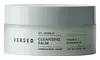
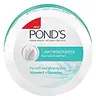
Ingredients Side-by-side
Ethylhexyl Palmitate
Emollient


Caprylic/Capric Triglyceride
Masking


Coco-Caprylate/Caprate
Emollient
Polyglyceryl-6 Dicaprate
EmulsifyingSynthetic Wax
Abrasive
Tocopherol
Antioxidant





Tocopheryl Acetate
Antioxidant
Eucalyptus Globulus Leaf Oil
Perfuming





Persea Gratissima Oil
Skin Conditioning
Eugenia Caryophyllus Leaf Oil
Masking
Simmondsia Chinensis Seed Oil
Emollient
Prunus Armeniaca Kernel Oil
Masking
Sesamum Indicum Seed Oil
Emollient
Sclerocarya Birrea Seed Oil
Humectant
Caprylyl Glycol
Emollient
Eugenol
Perfuming
Limonene
Perfuming
Ethylhexyl Palmitate, Caprylic/Capric Triglyceride, Coco-Caprylate/Caprate, Polyglyceryl-6 Dicaprate, Synthetic Wax, Tocopherol, Tocopheryl Acetate, Eucalyptus Globulus Leaf Oil, Persea Gratissima Oil, Eugenia Caryophyllus Leaf Oil, Simmondsia Chinensis Seed Oil, Prunus Armeniaca Kernel Oil, Sesamum Indicum Seed Oil, Sclerocarya Birrea Seed Oil, Caprylyl Glycol, Eugenol, Limonene
Water
Skin ConditioningDimethicone
Emollient
Glycerin
Humectant
Butylene Glycol
Humectant
Ammonium Acryloyldimethyltaurate/Vp Copolymer
Niacinamide
Smoothing





Linoleamidopropyl Pg-Dimonium Chloride Phosphate
Phenoxyethanol
Preservative
Ammonium Acryloyldimethyltaurate/Beheneth-25 Methacrylate Crosspolymer
Emulsion StabilisingParfum
Masking
Sodium PCA
Humectant
Disodium EDTA
Stearic Acid
Cleansing
Caprylic/Capric Triglyceride
Masking
Tocopheryl Acetate
Antioxidant
Triethanolamine
BufferingBHT
Antioxidant
Iodopropynyl Butylcarbamate
Preservative
Sodium Hyaluronate Crosspolymer
Humectant
Sodium Hyaluronate
Humectant
Sodium Acetylated Hyaluronate
Humectant
Hydrolyzed Hyaluronic Acid
Humectant
Pentylene Glycol
Skin Conditioning
Ethylhexylglycerin
Skin ConditioningCitral
Perfuming
Citronellol
Perfuming
Geraniol
Perfuming
Hexyl Cinnamal
Perfuming
Limonene
Perfuming
Linalool
Perfuming
CI 42090
Cosmetic ColorantWater, Dimethicone, Glycerin, Butylene Glycol, Ammonium Acryloyldimethyltaurate/Vp Copolymer, Niacinamide, Linoleamidopropyl Pg-Dimonium Chloride Phosphate, Phenoxyethanol, Ammonium Acryloyldimethyltaurate/Beheneth-25 Methacrylate Crosspolymer, Parfum, Sodium PCA, Disodium EDTA, Stearic Acid, Caprylic/Capric Triglyceride, Tocopheryl Acetate, Triethanolamine, BHT, Iodopropynyl Butylcarbamate, Sodium Hyaluronate Crosspolymer, Sodium Hyaluronate, Sodium Acetylated Hyaluronate, Hydrolyzed Hyaluronic Acid, Pentylene Glycol, Ethylhexylglycerin, Citral, Citronellol, Geraniol, Hexyl Cinnamal, Limonene, Linalool, CI 42090
Reviews
Ingredients Explained
These ingredients are found in both products.
Ingredients higher up in an ingredient list are typically present in a larger amount.
Caprylic/Capric Triglyceride (aka MCT Oil) is a lightweight emollient, solvent, and texture enhancer. It is considered a skin-softener by helping to prevent moisture loss.
Though it behaves like an oil, it is not technically one due to its chemical composition. One perk of this ingredient is that it is very stable, resistant to oxidation, and unlikely to go rancid.
In practice, that translates to a long shelf life and a consistently elegant skin feel.
While there is an assumption Caprylic Triglyceride can clog pores due to it being derived from coconut oil, there is no research supporting this. Just patch test if you have concerns.
Fractionated coconut oil and MCT Oil are both listed as Caprylic/Capric Triglyceride according to INCI. This is because INCI names are based on the ingredient’s final chemical composition and not its marketing name or source.
This ingredient is treated as the gold standard fungal acne safe oil. Even though it is coconut derived, the problematic lauric acid is stripped out.
This leaves just caprylic (C8) and capric (C10) acid. These chain lengths actually trend antifungal; a 2020 study found caprylic acid was enough to disrupt Malassezia furfur cell membrane, with a caprylic acid derivative damaging membrane structures at concentrations as low as 0.2%.
Learn more about Caprylic/Capric TriglycerideLimonene is a fragrance that adds scent and taste to a formulation.
It's found in the peel oil of citrus fruits and other plants such as lavender and eucalyptus. The scent of limonene is generally described as "sweet citrus".
Limonene acts as an antioxidant, meaning it helps neutralize free radicals.
When exposed to air, oxidized limonene may sensitize the skin. Because of this, limonene is often avoided by people with sensitive skin.
The term 'fragrance' is not regulated in many countries. In many cases, it is up to the brand to define this term. For instance, many brands choose to label themselves as "fragrance-free" because they are not using synthetic fragrances. However, their products may still contain ingredients such as essential oils that are considered a fragrance.
Learn more about LimoneneTocopheryl Acetate is AKA Vitamin E. It is an antioxidant and protects your skin from free radicals. Free radicals damage the skin by breaking down collagen.
One study found using Tocopheryl Acetate with Vitamin C decreased the number of sunburned cells.
Tocopheryl Acetate is commonly found in both skincare and dietary supplements.
Learn more about Tocopheryl Acetate
