Vaseline Clinical Care Extremely Dry Skin Rescue Lotion Versus Gold Bond Ultimate Eczema Relief Lotion

What's inside
What's inside
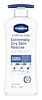 Key Ingredients
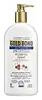
No key ingredients
Benefits
Concerns
Ingredients Side-by-side
Water
Skin ConditioningGlycerin
Humectant


Stearic Acid
Cleansing


Isopropyl Palmitate
Emollient

Glycol Stearate
Emollient
PEG-100 Stearate
Surfactant
Dimethicone
Emollient
Paraffinum Liquidum
Emollient

Glyceryl Stearate
Emollient
Petrolatum
Emollient
Cetyl Alcohol
Emollient

Phenoxyethanol
Preservative
Methylparaben
Preservative

Acrylates/C10-30 Alkyl Acrylate Crosspolymer
Emulsion StabilisingTriethanolamine
BufferingPropylparaben
Preservative
Stearamide Amp
Foam BoostingDisodium EDTA
ChelatingHydroxystearic Acid
Cleansing
Water, Glycerin, Stearic Acid, Isopropyl Palmitate, Glycol Stearate, PEG-100 Stearate, Dimethicone, Paraffinum Liquidum, Glyceryl Stearate, Petrolatum, Cetyl Alcohol, Phenoxyethanol, Methylparaben, Acrylates/C10-30 Alkyl Acrylate Crosspolymer, Triethanolamine, Propylparaben, Stearamide Amp, Disodium EDTA, Hydroxystearic Acid
Colloidal Oatmeal 2%
Absorbent

Water
Skin ConditioningGlycerin
Humectant
Dimethicone
Emollient
Petrolatum
Emollient
Propanediol
Solvent
Hydroxyethyl Acrylate/Sodium Acryloyldimethyl Taurate Copolymer
Emulsion StabilisingJojoba Esters
Emollient
Cetyl Alcohol
Emollient
Aloe Barbadensis Leaf Juice
Skin Conditioning
Glyceryl Stearate
Emollient
Butyrospermum Parkii Butter Extract
Skin Conditioning
Isohexadecane
EmollientAvena Sativa Kernel Extract
Abrasive

Bisabolol
Antioxidant
Zingiber Officinale Root Extract
Masking
C10-30 Cholesterol/Lanosterol Esters
Emulsifying
Ceramide Ng
Skin Conditioning

Hydrolyzed Jojoba Esters
Skin Conditioning
Tocopheryl Acetate
Antioxidant

Magnesium Ascorbyl Phosphate
Antioxidant


Panthenol
Skin Conditioning
Ethylhexylglycerin
Skin ConditioningC12-15 Alkyl Benzoate
AntimicrobialTribehenin
Emollient
Potassium Hydroxide
BufferingEDTA
ChelatingPhenoxyethanol
Preservative
PEG-10 Phytosterol
EmulsifyingMethylparaben
Preservative
Polysorbate 60
Emulsifying
Palmitoyl Hexapeptide-12
Skin Conditioning
Colloidal Oatmeal 2%, Water, Glycerin, Dimethicone, Petrolatum, Propanediol, Hydroxyethyl Acrylate/Sodium Acryloyldimethyl Taurate Copolymer, Jojoba Esters, Cetyl Alcohol, Aloe Barbadensis Leaf Juice, Glyceryl Stearate, Butyrospermum Parkii Butter Extract, Isohexadecane, Avena Sativa Kernel Extract, Bisabolol, Zingiber Officinale Root Extract, C10-30 Cholesterol/Lanosterol Esters, Ceramide Ng, Hydrolyzed Jojoba Esters, Tocopheryl Acetate, Magnesium Ascorbyl Phosphate, Panthenol, Ethylhexylglycerin, C12-15 Alkyl Benzoate, Tribehenin, Potassium Hydroxide, EDTA, Phenoxyethanol, PEG-10 Phytosterol, Methylparaben, Polysorbate 60, Palmitoyl Hexapeptide-12
Ingredients Explained
These ingredients are found in both products.
Ingredients higher up in an ingredient list are typically present in a larger amount.
Cetyl Alcohol is a fatty alcohol. Fatty Alcohols are most often used as an emollient or to thicken a product.
Its main roles are:
Though it has "alcohol" in the name, it is not related to denatured alcohol or ethyl alcohol.
The FDA allows products labeled "alcohol-free" to have fatty alcohols.
This ingredient may not be fungal acne safe. It is a primary fatty alcohol with a chain length above 12 carbons. A study from 2019 show Malassezia can feed on fatty alcohols in this range, so it may trigger fungal acne in those prone to it.
Learn more about Cetyl AlcoholDimethicone is a type of synthetic silicone created from natural materials such as quartz. It is also known as polydimethylsiloxane.
What it does:
Dimethicone comes in different viscosities:
Depending on the viscosity, dimethicone has different properties.
Ingredients lists don't always show which type is used, so we recommend reaching out to the brand if you have questions about the viscosity.
This ingredient is unlikely to cause irritation because it does not get absorbed into skin. However, people with silicone allergies should be careful about using this ingredient.
Note: Dimethicone may contribute to pilling. This is because it is not oil or water soluble, so pilling may occur when layered with products. When mixed with heavy oils in a formula, the outcome is also quite greasy.
Learn more about DimethiconeGlycerin (or glycerol) is a compound naturally found in your skin. It's a powerhouse humectant that pulls water into the stratum corneum.
Topically, glycerin does several things at once:
Your skin makes glycerin on its own (mostly from sebaceous oil breakdown) and shuttles it to your outermost layer of skin, or your epidermis, via aquaporin-3.
Aquaporin-3 is a transporter that is essential for normal skin hydration, elasticity, and repair. Interestingly, mice lacking in AQP3 have dry and less elastic skin that can be fully corrected with glycerin.
This ingredient is non-irritating, plays well with almost every ingredient, and works across all skin types. Typical use is anywhere between 3-10% but can go up to 79% in some leave-on products.
Just know very high concentrations (>40%) can feel tacky in low humidity.
Glycerin is the name for this ingredient in American English. British English uses Glycerol/Glycerine.
Learn more about GlycerinGlyceryl Stearate is made by reacting glycerin with stearic acid (typically sourced from plant oils like palm or coconut). It's an emulsifier, emollient, and mild occlusive.
Emulsifiers help ingredients like oil and water stay mixed so your formula stays nicely blended and uniform in texture.
This ingredient is typically used in concentrations between 1-10%. Studies have found it to be non-sensitizing, non-phototoxic, and non-photoallergenic.
A close cousin of this ingredient is Glyceryl Stearate SE ("self-emulsifying"). This just has a small amount of sodium or potassium stearate added so it can emulsify without a co-emulsifier.
Since this ingredient is an ester of a C18 fatty acid, it may not be fungal acne safe. The Malassezia yeast can potentially metabolize within the C11-C24 range.
Fun fact: The human body also creates Glyceryl Stearate naturally.
Learn more about Glyceryl StearateMethylparaben is a synthetic preservative and one of the most widely used in the world. It has a simple, but important job: prevent your products from going bad by stopping bacteria, yeast, and mold from growing.
Typical use levels are low, often 0.1-0.3%.
This is also one of the most heavily studied preservatives out there and major regulatory bodies have repeatedly given it the green light.
In 2023, the EU's Scientific Committee on Consumer Safety (SCCS) confirmed that this ingredient is safe up to 0.4% on its own, of up to 0.8% when mixed with other paraben esters.
Here's the science behind the noise behind parabens/hormones as well:
Methylparaben shows very weak estrogen-like activity in vitro tests (more than 1,000x weaker than your body's own estradiol). In vivo (live-organism) studies don't support a meaningful endocrine-disrupting effect either.
You get a stronger estrogenic effect from eating tofu, actually.
It's also a low sensitizer and allergic reactions are uncommon; they usually happen on damage or broken skin.
There is a caveat: France has proposed to formally re-examine its endocrine classification in 2025 so the regulatory conversation isn't fully closed as of yet.
But as it stands today, this ingredient is considered safe at permitted levels.
Learn more about MethylparabenPetrolatum is more commonly known as petroleum jelly. It is created by mixing waxes and mineral oils.
This ingredient is effective at reducing water loss by 99%. This is because it is an occlusive. Occlusives create a hydrophobic barrier on the skin to prevent evaporation. This property makes it great for hydrating dry skin.
Pro tip: Use occlusives, such as this ingredient, on damp skin for the best results.
The quality or origin of petrolatum is only known when disclosed by the brand. Most cosmetic petrolatum has gone through several purification stages.
Another benefit of occlusives is it protects your skin against infection or allergies.
Petrolatum is fungal acne safe. It is a hydrocarbon with no fatty acid structure, so Malassezia cannot metabolize it. In-vitro studies support negligible growth stimulation as well.
It's also worth noting that petrolatum has a comedogenic rating of 0. In updated rabbit ear testing (and in human testing), petrolatum was found to be not comedogenic. This means it didn’t promote comedone formation in standard models.
Learn more about PetrolatumPhenoxyethanol is one of the most widely used preservatives in skincare (and for good reason!).
It has a large spectrum of antimicrobial activity and especially effective bacteria, yeast, and mold while only having a weak effect on your skin's natural microbiome.
On a cellular level, it disrupts the cell membranes of microbes by poking holes that make the cell leak. This shuts down the chemical reactions the microbe needs to make energy so it can no longer survive.
Another perk of this ingredient is that it stays functional across a wide pH range (3-10).
You'll often see it paired with boosters like Ethylhexylglycerin; one study showed that a 1:9 ratio of Ethylhexylglycerin to Phenoxyethanol damages bacterial membranes as effectively as doubling the Phenoxyethanol concentration on its own.
Typical use concentrations range from 0.3-1% depending on the formula, and this ingredient is capped at 1% int the EU.
Safety-wise, the fear mongering does not hold up to the evidence. The EU's Scientific Committee on Consumer Safety and FDA consider it safe as a preservative at up to 1%, including for children of all ages.
Adverse systemic effects only showed up in animal studies at exposures roughly 200x higher than what people get from cosmetics. And despite its very widespread use, this ingredient is a rare sensitizer and allergic reactions are uncommon.
Learn more about PhenoxyethanolWater. It's the most common cosmetic ingredient of all. You'll usually see it at the top of ingredient lists, meaning that it makes up the largest part of the product.
So why is it so popular? Water most often acts as a solvent - this means that it helps dissolve other ingredients into the formulation.
You'll also recognize water as that liquid we all need to stay alive. If you see this, drink a glass of water. Remember to stay hydrated!
Learn more about Water


