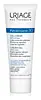
This barrier-repair moisturizer is formulated around Butyrospermum Parkii Butter and Ceramide NP to strengthen the skin barrier and hydrate skin.
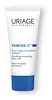
This smoothing moisturizer is formulated around Urea to refine skin texture and hydrate skin.

What's inside
What's inside
 Key Ingredients
Benefits
Concerns
Ingredients Side-by-side
Water
Skin ConditioningDicaprylyl Ether
Emollient
Butyrospermum Parkii Butter
Skin Conditioning





Cetearyl Isononanoate
Emollient
Glycerin
Humectant
Cetyl Alcohol
Emollient

Propanediol
Solvent
Steareth-2
EmulsifyingSteareth-21
Cleansing1,2-Hexanediol
Skin Conditioning
Glyceryl Behenate
Emollient
Sodium Dextran Sulfate
Gel FormingSodium Hyaluronate
Humectant


Chlorphenesin
Antimicrobial
Polyacrylate-13
Acrylates/C10-30 Alkyl Acrylate Crosspolymer
Emulsion StabilisingSafflower Oil/Palm Oil Aminopropanediol Esters
Skin Conditioning
Tocopheryl Acetate
Antioxidant


Xanthan Gum
EmulsifyingPolyisobutene
O-Cymen-5-Ol
Antimicrobial
Polysorbate 20
Emulsifying
Sorbitan Isostearate
Emulsifying
Sodium Hydroxide
BufferingPolyglyceryl-10 Stearate
Skin Conditioning
Triethyl Citrate
Masking

Polyglyceryl-6 Behenate
Emulsion Stabilising
Tocopherol
Antioxidant
Behenic Acid
Cleansing
Ceramide NP
Skin Conditioning

Cetearyl Alcohol
Emollient
Cholesterol
Emollient
Glyceryl Stearate
Emollient
Lactic Acid
Buffering




Ceramide Ns
Skin Conditioning
Ceramide EOP
Skin Conditioning
Ceramide AP
Skin Conditioning
Sodium Cetearyl Sulfate
Cleansing
Water, Dicaprylyl Ether, Butyrospermum Parkii Butter, Cetearyl Isononanoate, Glycerin, Cetyl Alcohol, Propanediol, Steareth-2, Steareth-21, 1,2-Hexanediol, Glyceryl Behenate, Sodium Dextran Sulfate, Sodium Hyaluronate, Chlorphenesin, Polyacrylate-13, Acrylates/C10-30 Alkyl Acrylate Crosspolymer, Safflower Oil/Palm Oil Aminopropanediol Esters, Tocopheryl Acetate, Xanthan Gum, Polyisobutene, O-Cymen-5-Ol, Polysorbate 20, Sorbitan Isostearate, Sodium Hydroxide, Polyglyceryl-10 Stearate, Triethyl Citrate, Polyglyceryl-6 Behenate, Tocopherol, Behenic Acid, Ceramide NP, Cetearyl Alcohol, Cholesterol, Glyceryl Stearate, Lactic Acid, Ceramide Ns, Ceramide EOP, Ceramide AP, Sodium Cetearyl Sulfate

Ingredients Explained
These ingredients are found in both products.
Ingredients higher up in an ingredient list are typically present in a larger amount.
Acrylates/C10-30 Alkyl Acrylate Crosspolymer is a synthetic polymer. It is used to thicken, emulsify, and improve the texture of products.
As an emulsifier, it helps stabilize oil-in-water emulsions to give products an elegant feel when applied.
It can also form a thin protective film on skin. One study found that a formula using this polymer helped slow down how quickly other ingredients (like DEET) were absorbed through skin.
A 2024 study of over 1,300 patients confirmed that sensitization to this ingredient is rare. It is also non-mutagenic and has a clean track record.
Learn more about Acrylates/C10-30 Alkyl Acrylate CrosspolymerCholesterol is a lipid that is naturally found in human skin and is one of the three key components of your skin barrier. In skincare, it is an emollient and barrier-repairing ingredient.
It works by fitting directly into the lipid layers of skin to help restore structure and reduce transepidermal water loss (TEWL).
This is a great ingredient for dry, compromised, or aging skin; our skin starts to produce less cholesterol with age.
Research shows cholesterol works best in combination with ceramides and fatty acids, the other two major components in your skin barrier.
Cholesterol is also a well-establish penetration enhancer and can help other actives absorb more effectively.
Cosmetic-grade cholesterol is usually derived from lanolin but plant and synthetic options also exist. We recommend reaching out to the brand if you have questions about their source of cholesterol.
Learn more about CholesterolGlycerin (or glycerol) is a compound naturally found in your skin. It's a powerhouse humectant that pulls water into the stratum corneum.
Topically, glycerin does several things at once:
Your skin makes glycerin on its own (mostly from sebaceous oil breakdown) and shuttles it to your outermost layer of skin, or your epidermis, via aquaporin-3.
Aquaporin-3 is a transporter that is essential for normal skin hydration, elasticity, and repair. Interestingly, mice lacking in AQP3 have dry and less elastic skin that can be fully corrected with glycerin.
This ingredient is non-irritating, plays well with almost every ingredient, and works across all skin types. Typical use is anywhere between 3-10% but can go up to 79% in some leave-on products.
Just know very high concentrations (>40%) can feel tacky in low humidity.
Glycerin is the name for this ingredient in American English. British English uses Glycerol/Glycerine.
Learn more about GlycerinWe don't have a description for Sodium Dextran Sulfate yet.
Sodium Hydroxide is also known as lye or caustic soda. It is used to adjust the pH of products; many ingredients require a specific pH to be effective.
In small amounts, sodium hydroxide is considered safe to use. However, large amounts may cause chemical burns due to its high alkaline.
Your skin has a natural pH and acid mantle. This acid mantle helps prevent harmful bacteria from breaking through. The acid mantle also helps keep your skin hydrated.
"Alkaline" refers to a high pH level. A low pH level would be considered acidic.
Learn more about Sodium HydroxideWater. It's the most common cosmetic ingredient of all. You'll usually see it at the top of ingredient lists, meaning that it makes up the largest part of the product.
So why is it so popular? Water most often acts as a solvent - this means that it helps dissolve other ingredients into the formulation.
You'll also recognize water as that liquid we all need to stay alive. If you see this, drink a glass of water. Remember to stay hydrated!
Learn more about Water

