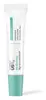
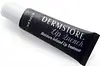
Urban Skin Pro Strength Hydrating Lip Treatment Versus Dermstore Lip Quench Moisture-Infused Lip Treatment
This barrier-repair lip moisturizer is formulated around Persea Gratissima Oil and Squalane to strengthen the lip barrier and hydrate lips.
This barrier-repair lip moisturizer is formulated around Petrolatum and Ceramide NP to strengthen the lip barrier and hydrate lips.

What's inside
What's inside
 Key Ingredients
Benefits
Concerns
Ingredients Side-by-side
Hydrogenated Polyisobutene
EmollientPersea Gratissima Oil
Skin Conditioning





Ethylene/Propylene/Styrene Copolymer
Phenyl Trimethicone
Skin Conditioning
Ethylhexyl Palmitate
Emollient
Butylene/Ethylene/Styrene Copolymer
Aroma


Diisopropyl Dimer Dilinoleate
Emollient
Diisostearyl Dimer Dilinoleate
EmollientPPG-12/Smdi Copolymer
EmollientPhenoxyethanol
Preservative
Tocopheryl Acetate
Antioxidant


Tribehenin
Emollient
Sorbitan Isostearate
Emulsifying
Trihydroxystearin
Skin Conditioning
Pentaerythrityl Tetra-Di-T-Butyl Hydroxyhydrocinnamate
Antioxidant
Tocopherol
Antioxidant



Squalane
Emollient
Sodium Hyaluronate
Humectant
Water
Skin ConditioningGlycerin
Humectant
Glucomannan
Skin ConditioningSr-Hydrozoan Polypeptide-1
Humectant
Sodium Benzoate
Masking
Palmitoyl Tripeptide-1
Skin Conditioning
Benzyl Benzoate
Antimicrobial

Vanillin
Masking
Hydrogenated Polyisobutene, Persea Gratissima Oil, Ethylene/Propylene/Styrene Copolymer, Phenyl Trimethicone, Ethylhexyl Palmitate, Butylene/Ethylene/Styrene Copolymer, Aroma, Diisopropyl Dimer Dilinoleate, Diisostearyl Dimer Dilinoleate, PPG-12/Smdi Copolymer, Phenoxyethanol, Tocopheryl Acetate, Tribehenin, Sorbitan Isostearate, Trihydroxystearin, Pentaerythrityl Tetra-Di-T-Butyl Hydroxyhydrocinnamate, Tocopherol, Squalane, Sodium Hyaluronate, Water, Glycerin, Glucomannan, Sr-Hydrozoan Polypeptide-1, Sodium Benzoate, Palmitoyl Tripeptide-1, Benzyl Benzoate, Vanillin
Hydrogenated Polyisobutene
EmollientPetrolatum
Emollient
Ethylene/Propylene/Styrene Copolymer
Butylene/Ethylene/Styrene Copolymer
Beeswax
Emulsion Stabilising
Brassica Campestris/Aleurites Fordi Oil Copolymer
Skin Conditioning
Tocopheryl Acetate
Antioxidant
Olea Europaea Fruit Oil
Masking
Glycine Soja Oil
Emollient
Prunus Amygdalus Dulcis Oil
Skin Conditioning
Ethylhexyl Palmitate
Emollient
Ceramide NP
Skin Conditioning
Tribehenin
Emollient
Propylparaben
Preservative

Sorbitan Isostearate
Emulsifying
Palmitoyl Oligopeptide
Cleansing
Parfum
Masking
Mica
Cosmetic ColorantTitanium Dioxide
Cosmetic Colorant
Iron Oxides
Hydrogenated Polyisobutene, Petrolatum, Ethylene/Propylene/Styrene Copolymer, Butylene/Ethylene/Styrene Copolymer, Beeswax, Brassica Campestris/Aleurites Fordi Oil Copolymer, Tocopheryl Acetate, Olea Europaea Fruit Oil, Glycine Soja Oil, Prunus Amygdalus Dulcis Oil, Ethylhexyl Palmitate, Ceramide NP, Tribehenin, Propylparaben, Sorbitan Isostearate, Palmitoyl Oligopeptide, Parfum, Mica, Titanium Dioxide, Iron Oxides
Ingredients Explained
These ingredients are found in both products.
Ingredients higher up in an ingredient list are typically present in a larger amount.
This ingredient is a high-molecular weight synthetic polymer. It is used to modify the viscosity of a formula, improve slip, and create a more "cushiony" texture.
Due to its large molecular size, this ingredient is not absorbed into the skin.
This is a synthetic polymer used to thicken formulas, improve texture, and enhance spreadability.
Due to its large molecule size, this ingredient does not penetrate the skin and is considered well-tolerated.
Ethylhexyl Palmitate, also known as octyl palmitate, is created from 2-ethylhexyl alcohol and palmitic acid.
In cosmetics, it plays many roles:
One thing worth noting: a controlled study found this ingredient applied under occlusion to acne-prone subjects increased microcomedones. Just keep in mind this was under occlusive conditions and don't reflect how most products are used day-to-day.
For most people, this is a well-tolerated and lightweight ingredient.
This ingredient may not be fungal acne safe because it is an ester of palmitic acid, a C16 fatty acid that falls within the C11-24 range that Malassezia can metabolize.
You'll see this one rated 4 comedogenic all over the internet. That number isn't from a single study, and the actual research is more interesting.
The original rating comes from 1980s rabbit ear tests (which are a shaky basis for anything). But Ethylhexyl Palmitate is one of the few ingredients with real human data behind it. A 2021 controlled trial found this ingredient increased microcomedones by an average of 365% over four weeks.
Just know that test used the pure ingredient under an occlusive pad on back skin; most products use it at much lower levels alongside other ingredients and plenty of people use those with no issue.
Learn more about Ethylhexyl PalmitateHydrogenated Polyisobutene is a synthetic polymer. Polymers are compounds with high molecular weight. Hydrogenated Polyisobutene is an emollient and texture enhancer.
In one study, Hydrogenated Polyisobutene showed better skin hydration levels than Caprylic/Capric Triglyceride. As an emollient, it helps keep your skin soft and hydrated by trapping moisture in.
Hydrogenated Polyisobutene is often used as a mineral oil replacement.
Learn more about Hydrogenated PolyisobuteneSorbitan Isostearate is an emulsifer. It is created from isostearic acid and sorbitol.
As an emulsifier, it keeps the water and oil ingredients from separating. This keeps formulas stable and smooth.
In a 24 hour occlusive patch test on 56 subjects, 10% sorbitan isostearate was completely non-irritating. Most formulas use less than 10%.
Because it's a fatty acid ester, it may not be fungal acne safe since the Malassezia yeast can utilize it as a nutrient source.
Learn more about Sorbitan IsostearateTocopheryl Acetate is a stable, shelf-friendly form of vitamin E.
Formulators love it because plain vitamin E oxidizes quickly once it hits air. This acetate version stays stable and resists going off, helping to extend a product's shelf life.
It's actually inactive on its own and works like a slow-release "storage" form; the enzymes in your skin called esterases gradually convert it into active vitamin E over time.
One in vivo study showed 5% of the acetate in the living layer of the epidermis converted to vitamin E after 5 days of application. This study also found the skin gained protection against UV damage even though the conversion was slow and small.
Once converted, vitamin E acts as a skin's main fat-soluble antioxidant that fights free radicals to protect skin from damage.
Topical vitamin E generally boosts the skin's photoprotection, and it reduced UV-damage in animal models.
This ingredient has some brightening potential but it's more of a prevention ingredient than spot-fader. Cell studies show it can slow down melanin production but it's worth noting that it's not the most powerful brightener out there.
Overall, it has a pretty solid safety profile and has been found to be non-irritating and non-comedogenic. Allergic reactions may happen but stay rare due to how widely the ingredient gets used.
The concentration will vary depending on the formula; industry data shows 0.1% in baby lotions, 3% in lipsticks, and 5% in foot powders. You can also find this ingredient at 100% in a pure vitamin E oil.
Most leave-on skincare keeps it at the lower end, often between 0.5-1%.
Learn more about Tocopheryl AcetateTribehenin is the triglyceride of glycerin and behenic acid. It is an emollient that helps soften and condition skin.
Safety-wise, this is a well-vetted ingredient. Repeated-insult patch tests of 0.38% tribehenin did not trigger sensitization.
This ingredient may not be fungal acne safe because behenic acid falls into the chain-length range that Malassezia yeasts can feed on.
Learn more about Tribehenin

