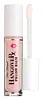
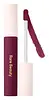
Too Faced Hangover Pillow Balm Nourishing Lip Treatment Versus Rare Beauty Lip Soufflé Matte Lip Cream
This barrier-repair lip moisturizer is formulated around Petrolatum and Sodium Hyaluronate to strengthen the lip barrier and hydrate lips.

What's inside
What's inside
 Key Ingredients
Benefits
Concerns
Ingredients Side-by-side
Petrolatum
Emollient



Hydrogenated Polyisobutene
EmollientOctyldodecanol
Emollient
Bis-Diglyceryl Polyacyladipate-2
Emollient

Ethylene/Propylene/Styrene Copolymer
Polyethylene
Abrasive

Vp/Hexadecene Copolymer
Tocopheryl Acetate
Antioxidant


Sodium Hyaluronate
Humectant



Butyrospermum Parkii Butter
Skin Conditioning
Cocos Nucifera Fruit Juice
Emollient
Cocos Nucifera Liquid Endosperm
Cucumis Sativus Fruit Extract
Emollient
Helianthus Annuus Seedcake
Abrasive
Hordeum Vulgare Extract
EmollientMangifera Indica Seed Butter
Skin Conditioning
Olea Europaea Fruit Oil
Masking
Persea Gratissima Oil
Skin Conditioning
Ricinus Communis Seed Oil
Masking
Yogurt Powder
Lactobacillus Ferment
Skin Conditioning
Glycerin
Humectant
Phytosterols
Skin Conditioning
Menthol
Masking

Polydecene
Skin ConditioningPropylene Glycol Dicaprate
EmollientC12-15 Alkyl Benzoate
AntimicrobialWater
Skin ConditioningSorbitan Oleate
Emulsifying
Meteorite Powder
Skin ConditioningCholesterol
Emollient
Butylene/Ethylene/Styrene Copolymer
Silica
Abrasive

Polyglyceryl-10 Heptahydroxystearate
Skin ConditioningHydrogenated Castor Oil
Emollient
Aroma

Saccharin
MaskingBHT
Antioxidant
Tetrahexyldecyl Ascorbate
Antioxidant

Phenoxyethanol
Preservative
Mica
Cosmetic ColorantCI 77891
Cosmetic ColorantCI 77491
Cosmetic ColorantCI 77492
Cosmetic ColorantCI 77499
Cosmetic ColorantCI 77163
Cosmetic Colorant
CI 42090
Cosmetic ColorantCI 77400
Cosmetic ColorantCI 75470
Cosmetic ColorantCI 15850
Cosmetic ColorantCI 45380
Cosmetic ColorantCI 45410
Cosmetic ColorantCI 73360
Cosmetic ColorantCI 17200
Cosmetic ColorantCI 19140
Cosmetic ColorantCI 15985
Cosmetic ColorantPetrolatum, Hydrogenated Polyisobutene, Octyldodecanol, Bis-Diglyceryl Polyacyladipate-2, Ethylene/Propylene/Styrene Copolymer, Polyethylene, Vp/Hexadecene Copolymer, Tocopheryl Acetate, Sodium Hyaluronate, Butyrospermum Parkii Butter, Cocos Nucifera Fruit Juice, Cocos Nucifera Liquid Endosperm, Cucumis Sativus Fruit Extract, Helianthus Annuus Seedcake, Hordeum Vulgare Extract, Mangifera Indica Seed Butter, Olea Europaea Fruit Oil, Persea Gratissima Oil, Ricinus Communis Seed Oil, Yogurt Powder, Lactobacillus Ferment, Glycerin, Phytosterols, Menthol, Polydecene, Propylene Glycol Dicaprate, C12-15 Alkyl Benzoate, Water, Sorbitan Oleate, Meteorite Powder, Cholesterol, Butylene/Ethylene/Styrene Copolymer, Silica, Polyglyceryl-10 Heptahydroxystearate, Hydrogenated Castor Oil, Aroma, Saccharin, BHT, Tetrahexyldecyl Ascorbate, Phenoxyethanol, Mica, CI 77891, CI 77491, CI 77492, CI 77499, CI 77163, CI 42090, CI 77400, CI 75470, CI 15850, CI 45380, CI 45410, CI 73360, CI 17200, CI 19140, CI 15985
Dimethicone
Emollient
Methyl Trimethicone
Skin Conditioning
Polyglyceryl-2 Triisostearate
Emulsifying
Dimethicone Crosspolymer
Emulsion Stabilising
Dimethicone/Vinyl Dimethicone Crosspolymer
Skin Conditioning
Isododecane
Emollient1,2-Hexanediol
Skin Conditioning
Disteardimonium Hectorite
StabilisingPhenoxyethanol
Preservative
PEG-10 Dimethicone
Skin Conditioning
Tocopheryl Acetate
Antioxidant
Propylene Carbonate
SolventParfum
Masking
Linalool
Perfuming
Helianthus Annuus Seed Oil
Emollient
Gardenia Florida Fruit Extract
Skin ConditioningNelumbo Nucifera Flower Extract
Skin ConditioningNymphaea Odorata Root Extract
RefreshingCI 45410
Cosmetic ColorantCI 15850
Cosmetic ColorantCI 77891
Cosmetic ColorantCI 42090
Cosmetic ColorantCI 77491
Cosmetic ColorantDimethicone, Methyl Trimethicone, Polyglyceryl-2 Triisostearate, Dimethicone Crosspolymer, Dimethicone/Vinyl Dimethicone Crosspolymer, Isododecane, 1,2-Hexanediol, Disteardimonium Hectorite, Phenoxyethanol, PEG-10 Dimethicone, Tocopheryl Acetate, Propylene Carbonate, Parfum, Linalool, Helianthus Annuus Seed Oil, Gardenia Florida Fruit Extract, Nelumbo Nucifera Flower Extract, Nymphaea Odorata Root Extract, CI 45410, CI 15850, CI 77891, CI 42090, CI 77491
Ingredients Explained
These ingredients are found in both products.
Ingredients higher up in an ingredient list are typically present in a larger amount.
Ci 15850 is the pigment color red. It is an azo dye and created synthetically.
Azo dyes need to be thoroughly purified before use. This allows them to be more stable and longer-lasting.
This ingredient is common in foundations, lipsticks, and blushes. This color is described as brown/orangey red.
It has many secondary names such as Red 6 and Red 7. According to a manufacturer, Red 6 usually contains aluminum.
Learn more about CI 15850Ci 42090 is a synthetic dye created from petroleum. It is used to give a bright blue color to cosmetics, medicine, and food.
CI 45410 is a synthetic red-pigment and dye.
It often goes by both Red 28 or Red 27; manufacturers label both ingredients as CI 45410.
This dye is commonly found in makeup because it imparts a vivid color. Some types of this dye change color based on pH level and interaction with moisture:
Your skin has a natural pH of around 4.5 - 5.5.
According to the FDA, CI 45410 is not permitted for use in eye products.
Red 27 is a flourescein dye and commonly used as a fluorescent tracer in medicine.
Learn more about CI 45410Ci 77491 is also hydrated iron III oxide. It's sole purpose is to give a red/pink hue to products.
Iron III oxides are classified as inorganic chemicals for coloring.
Synthetically created Ci 77491 is considered safer than those naturally found. This is because the synthetically created version may contain less impurities. Iron oxides are generally non-toxic and non-allergenic.
Learn more about CI 77491Ci 77891 is a white pigment from Titanium dioxide. It is naturally found in minerals such as rutile and ilmenite.
It's main function is to add a white color to cosmetics. It can also be mixed with other colors to create different shades.
Ci 77891 is commonly found in sunscreens due to its ability to block UV rays.
Learn more about CI 77891Phenoxyethanol is one of the most widely used preservatives in skincare (and for good reason!).
It has a large spectrum of antimicrobial activity and especially effective bacteria, yeast, and mold while only having a weak effect on your skin's natural microbiome.
On a cellular level, it disrupts the cell membranes of microbes by poking holes that make the cell leak. This shuts down the chemical reactions the microbe needs to make energy so it can no longer survive.
Another perk of this ingredient is that it stays functional across a wide pH range (3-10).
You'll often see it paired with boosters like Ethylhexylglycerin; one study showed that a 1:9 ratio of Ethylhexylglycerin to Phenoxyethanol damages bacterial membranes as effectively as doubling the Phenoxyethanol concentration on its own.
Typical use concentrations range from 0.3-1% depending on the formula, and this ingredient is capped at 1% int the EU.
Safety-wise, the fear mongering does not hold up to the evidence. The EU's Scientific Committee on Consumer Safety and FDA consider it safe as a preservative at up to 1%, including for children of all ages.
Adverse systemic effects only showed up in animal studies at exposures roughly 200x higher than what people get from cosmetics. And despite its very widespread use, this ingredient is a rare sensitizer and allergic reactions are uncommon.
Learn more about PhenoxyethanolTocopheryl Acetate is a stable, shelf-friendly form of vitamin E.
Formulators love it because plain vitamin E oxidizes quickly once it hits air. This acetate version stays stable and resists going off, helping to extend a product's shelf life.
It's actually inactive on its own and works like a slow-release "storage" form; the enzymes in your skin called esterases gradually convert it into active vitamin E over time.
One in vivo study showed 5% of the acetate in the living layer of the epidermis converted to vitamin E after 5 days of application. This study also found the skin gained protection against UV damage even though the conversion was slow and small.
Once converted, vitamin E acts as a skin's main fat-soluble antioxidant that fights free radicals to protect skin from damage.
Topical vitamin E generally boosts the skin's photoprotection, and it reduced UV-damage in animal models.
This ingredient has some brightening potential but it's more of a prevention ingredient than spot-fader. Cell studies show it can slow down melanin production but it's worth noting that it's not the most powerful brightener out there.
Overall, it has a pretty solid safety profile and has been found to be non-irritating and non-comedogenic. Allergic reactions may happen but stay rare due to how widely the ingredient gets used.
The concentration will vary depending on the formula; industry data shows 0.1% in baby lotions, 3% in lipsticks, and 5% in foot powders. You can also find this ingredient at 100% in a pure vitamin E oil.
Most leave-on skincare keeps it at the lower end, often between 0.5-1%.
Learn more about Tocopheryl Acetate

