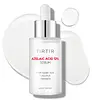
This calming serum is formulated around Azelaic Acid and Panthenol to calm redness and clear breakouts.
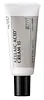
This acne treatment is formulated around Azelaic Acid to clear breakouts and calm redness.


What's inside
What's inside
 Key Ingredients
Benefits
Concerns
Ingredients Side-by-side
Water
Skin ConditioningAzelaic Acid
Buffering









Propylene Glycol
Humectant


Sodium Hydroxide
BufferingPentylene Glycol
Skin Conditioning
Panthenol
Skin Conditioning
Sorbitol
Humectant
Chondrus Crispus Extract
Skin Conditioning
Hydroxyethylcellulose
Emulsion StabilisingChlorella Vulgaris Extract
Skin ConditioningGlucose
Humectant
Saccharum Officinarum Extract
Moisturising1,2-Hexanediol
Skin Conditioning
Butylene Glycol
Humectant
Fructooligosaccharides
Humectant
Fructose
Humectant
Ethylhexylglycerin
Skin ConditioningBiosaccharide Gum-1
Humectant
Tromethamine
BufferingXanthan Gum
EmulsifyingTocopherol
Antioxidant


Betaine
Humectant
Zinc PCA
Humectant
Dipropylene Glycol
HumectantHyaluronic Acid/Polyisopropylacrylamide Copolymer
Humectant
Caprylyl/Capryl Glucoside
CleansingHydrogenated Lecithin
Emulsifying
Ceramide NP
Skin Conditioning
Water, Azelaic Acid, Propylene Glycol, Sodium Hydroxide, Pentylene Glycol, Panthenol, Sorbitol, Chondrus Crispus Extract, Hydroxyethylcellulose, Chlorella Vulgaris Extract, Glucose, Saccharum Officinarum Extract, 1,2-Hexanediol, Butylene Glycol, Fructooligosaccharides, Fructose, Ethylhexylglycerin, Biosaccharide Gum-1, Tromethamine, Xanthan Gum, Tocopherol, Betaine, Zinc PCA, Dipropylene Glycol, Hyaluronic Acid/Polyisopropylacrylamide Copolymer, Caprylyl/Capryl Glucoside, Hydrogenated Lecithin, Ceramide NP
Water
Skin ConditioningAzelaic Acid
Buffering
Butylene Glycol
Humectant
Methylheptyl Laurate
Emollient
Dodecane
Emollient

Pentylene Glycol
Skin Conditioning
Squalane
Emollient
Glyceryl Stearate
Emollient
Behenyl Alcohol
Emollient
Hydrogenated Lecithin
Emulsifying
Glyceryl Behenate
Emollient
Polyglyceryl-6 Octastearate
EmulsifyingDipotassium Glycyrrhizate
Humectant
Sodium Hyaluronate
Humectant
Centella Asiatica Extract
Cleansing
Scutellaria Baicalensis Root Extract
Astringent
Polygonum Cuspidatum Root Extract
Antioxidant
Glycyrrhiza Glabra Root Extract
Bleaching
Camellia Sinensis Leaf Extract
Antimicrobial
Rosmarinus Officinalis Leaf Extract
AntimicrobialChamomilla Recutita Flower Extract
Masking
Hydroxyethylcellulose
Emulsion StabilisingCalcium Sodium Borosilicate
Silver Oxide
AntimicrobialWater, Azelaic Acid, Butylene Glycol, Methylheptyl Laurate, Dodecane, Pentylene Glycol, Squalane, Glyceryl Stearate, Behenyl Alcohol, Hydrogenated Lecithin, Glyceryl Behenate, Polyglyceryl-6 Octastearate, Dipotassium Glycyrrhizate, Sodium Hyaluronate, Centella Asiatica Extract, Scutellaria Baicalensis Root Extract, Polygonum Cuspidatum Root Extract, Glycyrrhiza Glabra Root Extract, Camellia Sinensis Leaf Extract, Rosmarinus Officinalis Leaf Extract, Chamomilla Recutita Flower Extract, Hydroxyethylcellulose, Calcium Sodium Borosilicate, Silver Oxide
Reviews
Ingredients Explained
These ingredients are found in both products.
Ingredients higher up in an ingredient list are typically present in a larger amount.
Azelaic acid is a multitasker ingredient that helps treat acne, pigmentation, and irritation. It is a great option for sensitive skin.
What makes it special?
OTC Azelaic acid is usually available in concentrations from 10-15% and anything over requires a prescription.
Here's what each tier does best:
Unlike other acids, azelaic acid will not make your skin more photosensitive/sun sensitive.
Though this ingredient is naturally occurring in grains like wheat, rye, and barley, it is usually synthetically created for cosmetics to ensure stability and effectiveness.
Learn more about Azelaic AcidButylene Glycol (or BG) is used within cosmetic products for a few different reasons:
Overall, Butylene Glycol is a safe and well-rounded ingredient that works well with other ingredients.
Though this ingredient works well with most skin types, some people with sensitive skin may experience a reaction such as allergic rashes, closed comedones, or itchiness.
Learn more about Butylene GlycolHydrogenated Lecithin is a more stable version of lecithin.
It's made by taking lecithin (a phospholipid commonly found in soybeans and egg yolks) and hydrogenating it. This just means the unsaturated fatty acids are turned into saturated ones so they don't go bad as easily.
This ingredient is an emollient, emulsifier, and penetration enhancer. As an emollient, it helps soften and hydrate skin by trapping moisture within. As an emulsifier, it prevents oil and water ingredients from separating.
Hydrogenated Lecithin can form tiny spherical structures made of phospholipid bilayers called liposomes. These liposomes are able to capture compounds inside their structure and deliver them through the skin barrier.
Because phospholipids are a natural component of our cell membranes, this ingredient is inherently compatible with skin.
A 2021 study found lecithin-based surfactants were less harsh and more tolerable comared to Sodium Lauryl Sulfate (SLS).
Learn more about Hydrogenated LecithinHydroxyethylcellulose is used to improve the texture of products. It is created from a chemical reaction involving ethylene oxide and alkali-cellulose. Cellulose is a sugar found in plant cell walls and help give plants structure.
This ingredient helps stabilize products by preventing ingredients from separating. It can also help thicken the texture of a product.
This ingredient can also be found in pill medicines to help our bodies digest other ingredients.
Learn more about HydroxyethylcellulosePentylene Glycol (1,2-pentanediol) is a multitasking little diol with three main roles in a formula:
Research on alkanediols (the family pentylene glycol belongs to) show they work by disrupting microbial cell membranes. This disruption helps the primary preservative system in a product work more effectively at lower doses.
On the safety side, the Cosmetic Ingredient Review Expert Panel has concluded this ingredient to be safe as used in current cosmetic practices + concentrations.
Typical use levels in a formula run about 1-5%.
Learn more about Pentylene GlycolWater. It's the most common cosmetic ingredient of all. You'll usually see it at the top of ingredient lists, meaning that it makes up the largest part of the product.
So why is it so popular? Water most often acts as a solvent - this means that it helps dissolve other ingredients into the formulation.
You'll also recognize water as that liquid we all need to stay alive. If you see this, drink a glass of water. Remember to stay hydrated!
Learn more about Water

